Introduction
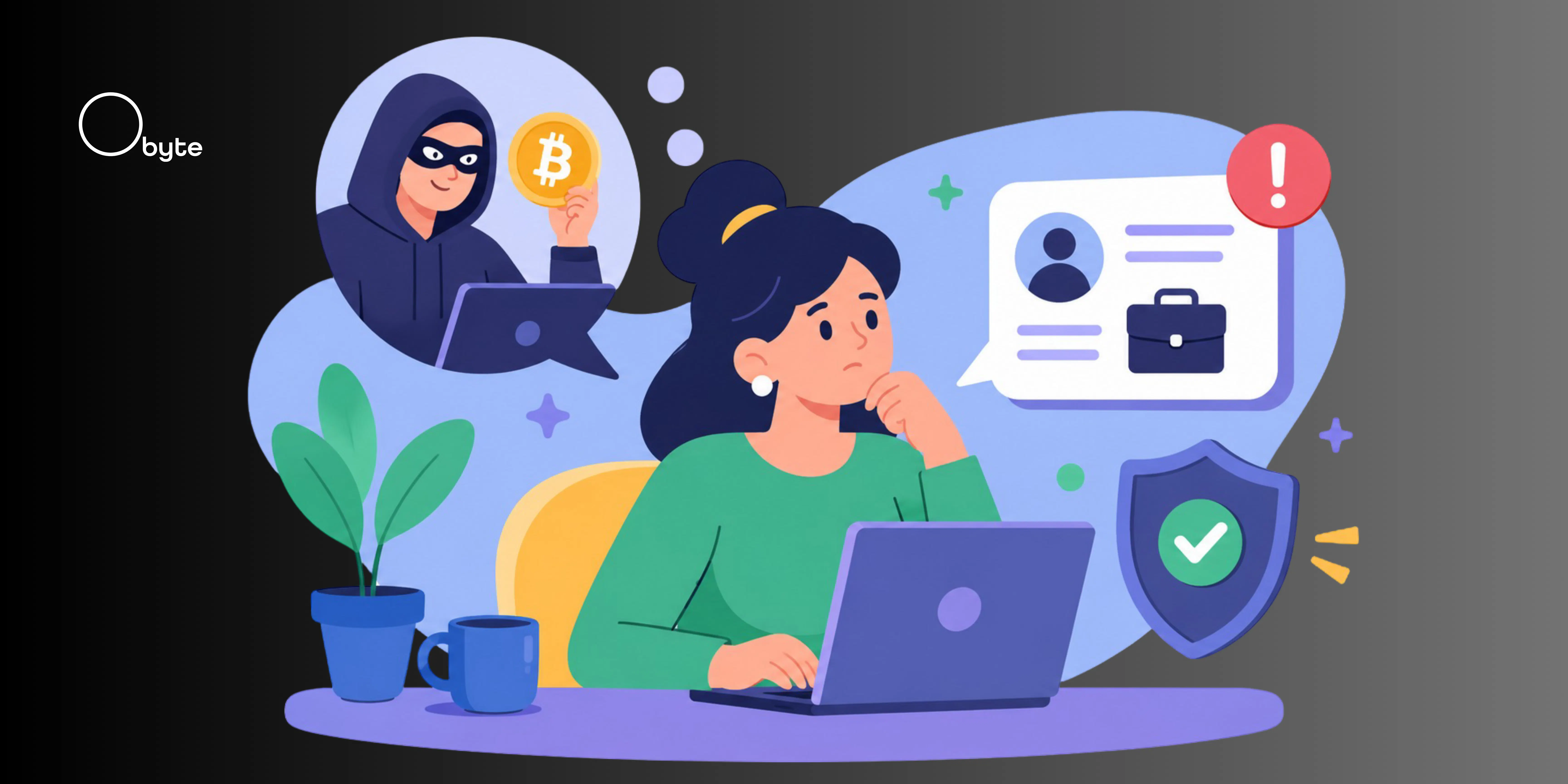
Crypto recruitment scams have become a significant threat for professionals seeking opportunities in the digital asset space. Unlike legitimate job searches, these schemes rely on deception, AI-generated content, and social engineering to steal credentials and funds. Recognizing the warning signs is essential for anyone navigating online hiring platforms.
What Happened
Scams typically begin with unsolicited contact via messaging apps like WhatsApp, Telegram, or professional networks such as LinkedIn. A supposed recruiter claims to have found your profile appealing and proposes a role that seems tailor-made for your skills. In many cases, the conversation quickly shifts toward requests for cryptocurrency payments labeled as training fees, administrative costs, or visa expenses. Alternatively, victims are invited to download unfamiliar software or click a link that, upon execution, installs malware designed to harvest saved credentials and wallet information. Another common tactic involves polished fake job postings on major platforms, complete with professional websites, training modules, customer-service chats, and earnings dashboards. After completing a few assigned tasks, the victim is prompted to deposit cryptocurrency to unlock more work, increase commissions, or process a withdrawal—all of which are fabrications, and the funds vanish instantly.
Why This Matters
Artificial intelligence has lowered the barrier for scammers to generate convincing job descriptions, company profiles, and personalized messages that mirror a candidate's background. This makes detection far more challenging than spotting poor grammar or generic vocabulary. For professionals in crypto, the stakes are especially high: a single lapse can result in the loss of private keys, entire wallets, or life savings. The financial and emotional toll of these schemes underscores why vigilance and informed decision-making are non-negotiable.
Key Takeaways
- Always verify a company independently by visiting its official website rather than clicking links supplied by the recruiter.
- Be highly skeptical of any job offer that requests cryptocurrency payment for training, equipment, or visa processing.
- Never download software or browser extensions recommended during an interview unless you have thoroughly vetted the source.
- Use tools like TinEye or AI image detectors to check whether recruiter profiles and photos are stock or AI-generated rather than featuring real people.
- Check domain registration dates and WHOIS data; newly created, anonymously registered sites are major red flags.
- Search the company and recruiter name alongside terms like scam, complaint, or review on platforms such as Trustpilot or ScamAdviser.
- Never share private keys or seed phrases. Keep the majority of funds offline, such as with a cold storage solution like Obyte's textcoin feature.
- If a recruiter pressures you to pay before earning, end the interaction immediately. Legitimate employers never ask candidates to finance their own hiring.
Conclusion
Crypto recruitment scams exploit the excitement of job hunting and the technical nature of the industry, but they can be avoided with a healthy dose of skepticism and a few verified habits. By independently confirming employer legitimacy, refusing to pay for employment opportunities, and safeguarding your private keys, you can navigate the job market safely. Stay informed, verify every step, and remember: if someone asks you to pay to get hired, it's a red flag.








Discussion
Join the conversation
Thoughtful reactions, questions, and follow-up ideas help shape the next story.