
Introduction
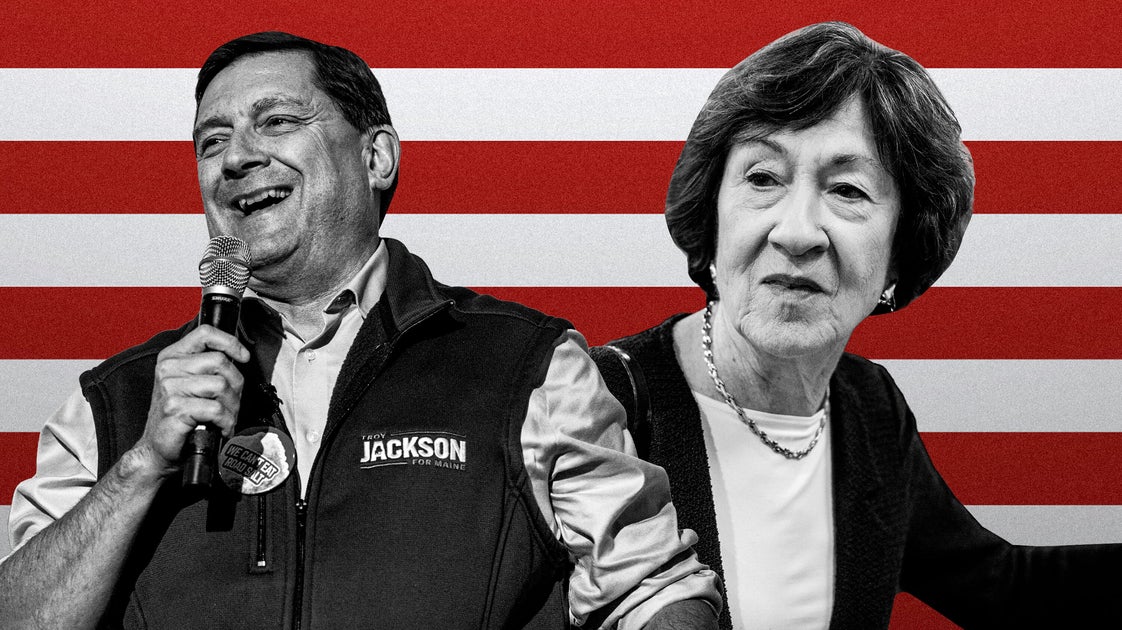
The 2026 midterm wave has delivered a decisive edge to Democrats on Capitol Hill, recalibrating the balance of power just as President Trump enters his final two years in office. Voters handed the party sweeping victories across key races, setting the stage for a transformed legislative battlefield.
What Happened
Democrats captured critical seats in the House of Representatives and defended their majority in the Senate, narrowing the path for partisan legislation and amplifying the chamber's oversight capabilities. The results reflect a broad coalition turning out in swing districts and states, shifting the arithmetic on Capitol Hill.
Why This Matters
With Democrats holding the gavel in key committee posts, the administration faces heightened scrutiny on judicial nominations, federal spending, and executive orders. The new power dynamic also means bipartisan cooperation becomes both more necessary and more complicated, as both parties navigate a Congress where neither holds an unambiguous mandate.
Key Takeaways
- Democrats now control pivotal committee chairs, accelerating agenda-setting power.
- Legislative priorities facing potential roadblocks or reshaped funding paths.
- Oversight investigations into executive actions are likely to intensify.
- Judicial confirmation processes may slow or shift in tone.
- Political strategy for both parties realigns around newly competitive districts and states.
Conclusion
The midterm results signal a new chapter for Washington's power structure, where Democrats' strengthened position will shape the final stretch of Trump's term. Stakeholders across the political spectrum will be watching closely how the balance of influence plays out in the coming months.







Discussion
Join the conversation
Thoughtful reactions, questions, and follow-up ideas help shape the next story.