Introduction
Hairbrushes endure daily wear, product residue, and accumulated hair, making regular cleaning a challenge. When a unconventional dishwasher method surfaced, one writer decided to test whether the appliance could refresh a well-loved brush without causing damage.
What Happened
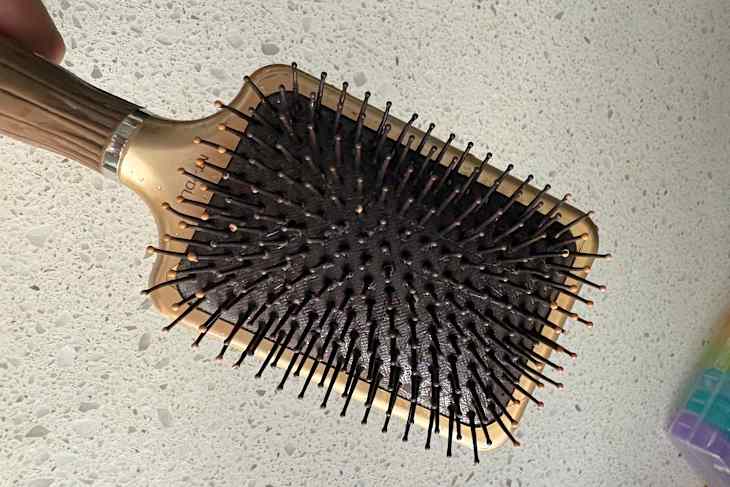
The author began by removing trapped hair to prevent clogging, then placed the plastic brush handle-down in the bottom utensil rack before running a normal cycle with detergent. The brush emerged noticeably cleaner, though some residue persisted around the bristles. A significant drawback: the brush’s air-filled paddle trapped water inside, raising concerns about drying time and potential mold growth if not thoroughly dried afterward.
Why This Matters
Maintaining clean hair tools supports scalp health and extends product life. The dishwasher hack offers a convenient shortcut, especially for plastic or metal brushes, but the experience highlights material limitations and design quirks that affect results. Readers should weigh the trade-offs between convenience and a thorough clean, particularly for brushes with complex shapes or air pockets.
Key Takeaways
- Only use plastic or metal brushes; avoid wood or natural bristles
- Clear all hair before loading to protect the dishwasher filter
- Expect a surface-level clean; deep grooves may retain residue
- Water can become trapped in air-filled brush designs, risking mold
- Running the cycle in an empty dishwasher or choosing a non-padded brush may improve results
Conclusion
The dishwasher method can quickly refresh the right type of hairbrush, but it’s not a one-size-fits-all solution. For a more reliable deep clean, consider alternative techniques or modified approaches that address water retention. Regardless, the experiment proves that sometimes the most unexpected household hacks are worth a try—with the right precautions.



Discussion
Join the conversation
Thoughtful reactions, questions, and follow-up ideas help shape the next story.