Introduction
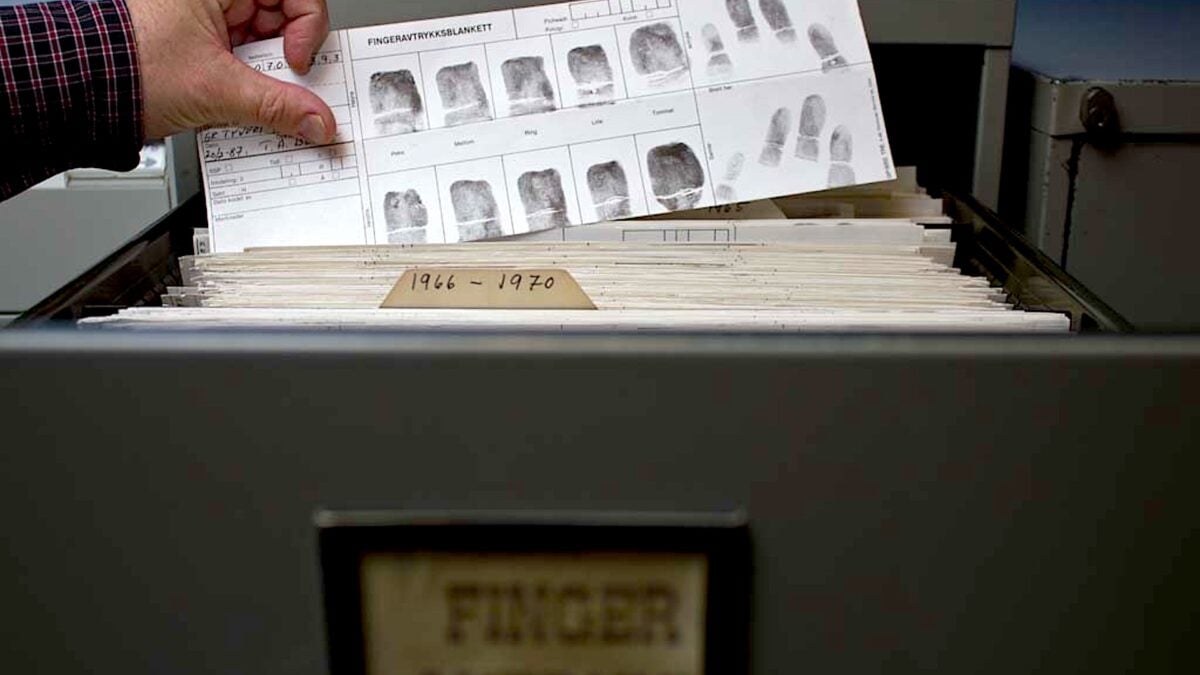
For the past three years, a steady stream of academic papers has promised a needle-free future. Researchers claimed that artificial intelligence could look at a simple fingerprint scan and determine a person’s blood type, offering a painless alternative to traditional blood draws. The idea attracted attention from forensic scientists and health-conscious readers alike, with more than a dozen studies appearing in conference proceedings and journals. But a closer look at the underlying data has cast the entire body of work into doubt.
What Happened
Two academics based in Australia—mechanical engineer Lars Kooijman of Monash University and psychologist Stephanie Summersby of the University of New South Wales—traced many of these papers back to a single collection of 6,000 fingerprints from 600 people. According to their findings, that dataset never recorded the subjects’ blood types at all. One of the flagged papers, published in 2025 in Franklin Open, had described the method as a non-invasive, pain-free, and efficient alternative for blood group classification. Its lead author, Sanivarapu Prasanth Vaidya, told Retraction Watch that his team obtained the fingerprints and blood-type labels from a Kaggle dataset in good faith, unaware that the source was inaccurate. That Kaggle collection, titled the Fingerprint Blood Group Classification Dataset, now leads to an error page. Elsevier, which publishes Franklin Open, said an investigation is underway, while IEEE is reviewing the suspect papers archived in IEEE Xplore.
Why This Matters
The controversy echoes broader concerns about research integrity in artificial intelligence. When studies rely on faulty or mislabeled data, their conclusions can spread through academic literature before anyone verifies the source. The promise of painless blood-type screening also tapped into a real public desire for needle-free medical testing, making the flawed findings especially appealing. At least one independent study has already challenged the scientific premise itself: physiologists at GMERS Medical College in Gujarat, India, tested 224 subjects and reported in 2024 that they found no correlation between fingerprint patterns and blood types in either men or women.
Key Takeaways
- More than a dozen studies claimed AI could determine blood type from fingerprint scans.
- Australian researchers say the underlying dataset of 6,000 fingerprints never included blood-type information.
- The lead author of one flagged study said his team used a Kaggle dataset in good faith and was unaware of its inaccuracies.
- Elsevier and IEEE have opened investigations into the affected publications.
- An independent 2024 study of 224 people found no link between fingerprints and blood types.
Conclusion
The collapse of these fingerprint studies serves as a cautionary tale about the speed at which AI-driven medical claims can outpace the data behind them. While the idea of identifying blood type without a needle remains appealing, the evidence so far does not support it. Publishers and institutions are now reviewing the papers in question, and the episode underscores the importance of verifying datasets before publishing sensational health-related findings.
Discussion
Join the conversation
Thoughtful reactions, questions, and follow-up ideas help shape the next story.