Introduction
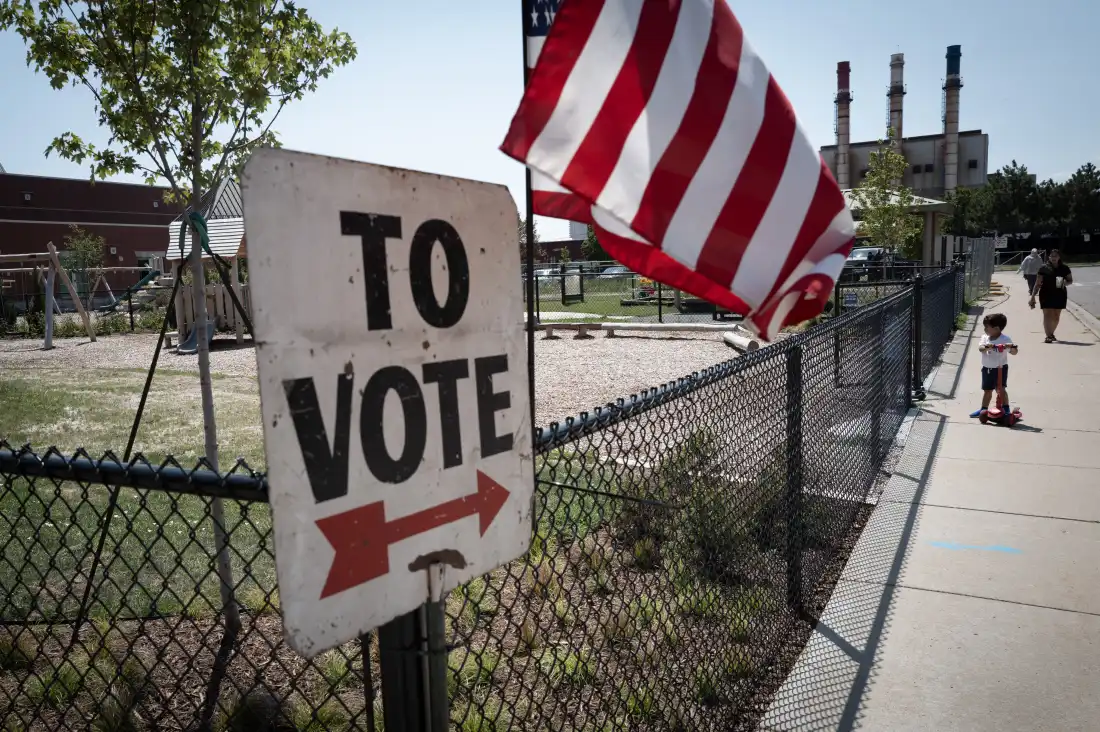
The 2026 midterms are bringing election pressure to places that have rarely felt it. While Georgia and Michigan often dominate headlines, this year's expanded competitive map means officials in Iowa, Alaska, New York, and Kansas are suddenly under the national microscope. The shift reflects how quickly the stakes of election administration can change when control of Congress hangs in the balance.
What Happened
The article traces how quickly pressure escalates when errors occur. Tina Barton, former Rochester Hills city clerk in Michigan, recounts a 2020 incident where her office accidentally sent an unofficial absentee vote file twice, triggering a firestorm of accusations and death threats. Similarly, the Justice Department issued subpoenas to California election workers, and officials across the country report receiving intimidating messages. These events illustrate how a single mistake, amplified by the right narrative, can transform a routine administrative error into a national controversy.
Why This Matters
The expansion of pressure beyond traditional battlegrounds matters because it changes who feels vulnerable. Officials in states with long-standing partisan leans are not immune, especially when high-stakes races emerge. Wendy Link, supervisor of elections in Palm Beach County, notes that while intimidation persists, the threat environment feels calmer than in the immediate aftermath of 2020—but officials remain vigilant. Researchers emphasize that false narratives often latch onto real equipment glitches or procedural delays, distorting their scale and intent.
Key Takeaways
Officials across the spectrum are being urged to prepare for worst-case scenarios. The Committee for Safe and Secure Elections doubled its training sessions compared to 2024, reflecting new concerns around election administration and misinformation. Barton's message to competitive-district officials is simple: be prepared for any scenario. Key risks include equipment failures, website outages, and the tendency for real events to be seized upon and inflated into intentional sabotage. The overarching takeaway: election pressure can find anyone, regardless of state color.
Conclusion
As the 2026 midterms approach, the lesson from recent cycles is clear: election administration is no longer confined to a handful of swing states. Local officials everywhere should anticipate scrutiny, equip their teams for emergencies, and communicate transparently with the public. Whether a race is competitive or not, the integrity of the process depends on preparation, not assumption.






Discussion
Join the conversation
Thoughtful reactions, questions, and follow-up ideas help shape the next story.