Introduction
The U.S. Environmental Protection Agency under Administrator Lee Zeldin has moved to dismantle federal limits on carbon emissions from coal and natural-gas power plants, marking a significant shift in national climate policy. The action, framed as a cost-saving measure, could reshape the energy landscape and climate trajectory.
What Happened
EPA officials stated the Biden-era regulations exceeded the agency's legal authority and relied on control technologies that were not proven at scale. The repeal aims to lower energy costs and ensure grid reliability, with the agency estimating $310 billion in savings. The decision also clears the path for future administrations to set—or ignore—power-plant emission standards without facing the same legal hurdles. Environmental advocates warn the rollback could increase premature deaths and undermine U.S. climate commitments.
Why This Matters
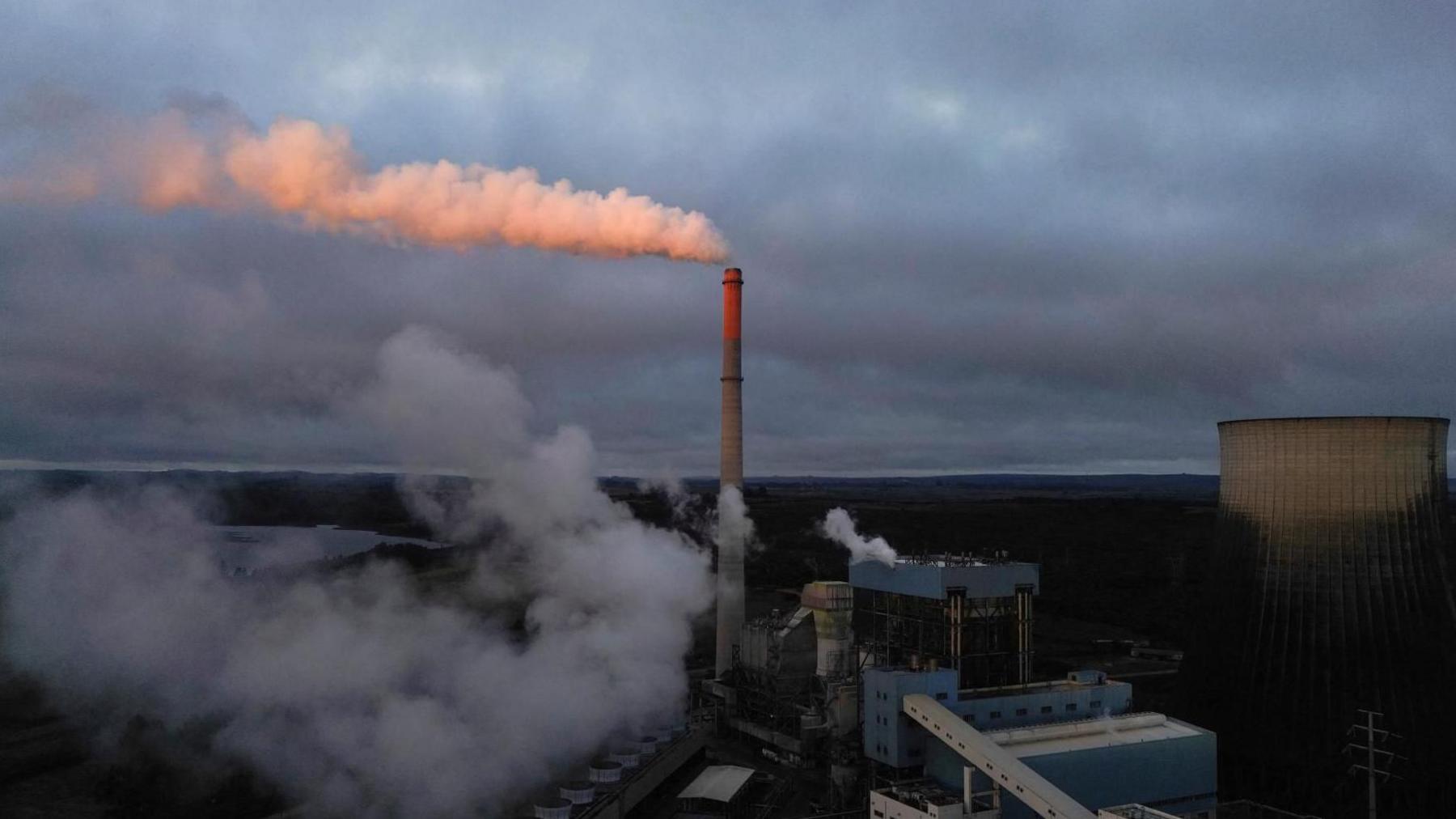
The power sector accounts for roughly a quarter of all U.S. greenhouse-gas emissions, making it one of the largest sources of planet-warming pollution. Repealing emission caps could slow progress toward national climate goals and affect air quality for communities near fossil-fuel facilities. Experts note that while the EPA will keep safeguards against hazardous air pollutants, the removal of carbon-specific rules creates uncertainty for utilities, investors, and public-health planners already grappling with extreme weather and rising energy bills.
Key Takeaways
- The EPA repeals emissions limits for coal and gas power plants, citing authority and feasibility concerns.
- The move is projected to save $310 billion and lower energy prices, according to the agency.
- Environmental groups warn of increased health risks and setbacks for climate targets.
- The power sector remains the single largest industrial source of U.S. carbon emissions.
- Legal challenges are expected, and the decision fits a broader pattern of climate-policy rollbacks under the current administration.
Conclusion
The EPA's decision marks a significant shift in U.S. climate policy, prioritizing short-term energy affordability over long-term emission reductions. Stakeholders from utilities to health advocates are closely watching legal challenges and state-level responses. As the nation navigates the balance between cost and climate, the coming months will likely reveal how deeply this rollback reshapes the energy sector and its impact on public health.



Discussion
Join the conversation
Thoughtful reactions, questions, and follow-up ideas help shape the next story.