Introduction
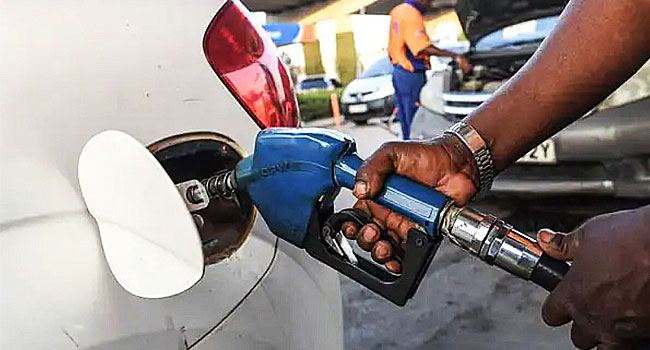
The Federal Government has warned that a return to fuel subsidy could trigger capital flight, exert pressure on the naira, and undo recent economic reform gains. Officials emphasized at international meetings that no policy reversal is planned, even as election cycles approach.
What Happened
At the conclusion of the 2026 IMF-World Bank Annual Meetings in Bangkok, Thailand, Minister of Finance Taiwo Oyedele, Central Bank Governor Olayemi Cardoso, and Minister of Budget and Economic Planning Atiku Bagudu addressed Nigeria's economic outlook. Oyedele clarified that a recent 30-day fuel price reduction does not constitute a subsidy return. Investors have repeatedly sought guarantees that the government will not reverse fuel subsidy removal or exchange rate unification, particularly as another election cycle nears.
Why This Matters
A possible fuel subsidy revival could prompt investors to withdraw capital, increasing pressure on the foreign exchange market and the naira. With the World Bank warning of an 800-million-job deficit across developing nations over the next 15 years, and global risks from geopolitical conflict, climate shocks, and volatile commodity prices, sustaining reform momentum is critical for Nigeria's growth trajectory. The administration's seven percent growth target and coordinated fiscal-monetary policy remain central to protecting economic stability.
Key Takeaways
- The government has no intention to reinstate fuel subsidy or revert to fragmented exchange rates, as stated by Oyedele at the Bangkok briefing.
- Nigeria's delegation pushed for comprehensive reforms of the IMF and World Bank to strengthen developing economies' voice, improve financing access, and build shock resilience.
- Key global challenges geopolitical conflict, trade uncertainty, commodity volatility, and climate risk were highlighted as disproportionate threats to emerging markets and job creation.
- The Federal Government set a seven percent economic growth target and emphasized the need for fiscal and monetary authorities to coordinate closely.
Conclusion
The administration's firm stance against fuel subsidy return aims to safeguard investor confidence, stabilize the naira, and preserve the gains of recent economic reforms. Ongoing international engagement, policy coordination, and public vigilance will be essential to sustaining growth and navigating global economic uncertainties.







Discussion
Join the conversation
Thoughtful reactions, questions, and follow-up ideas help shape the next story.