Introduction
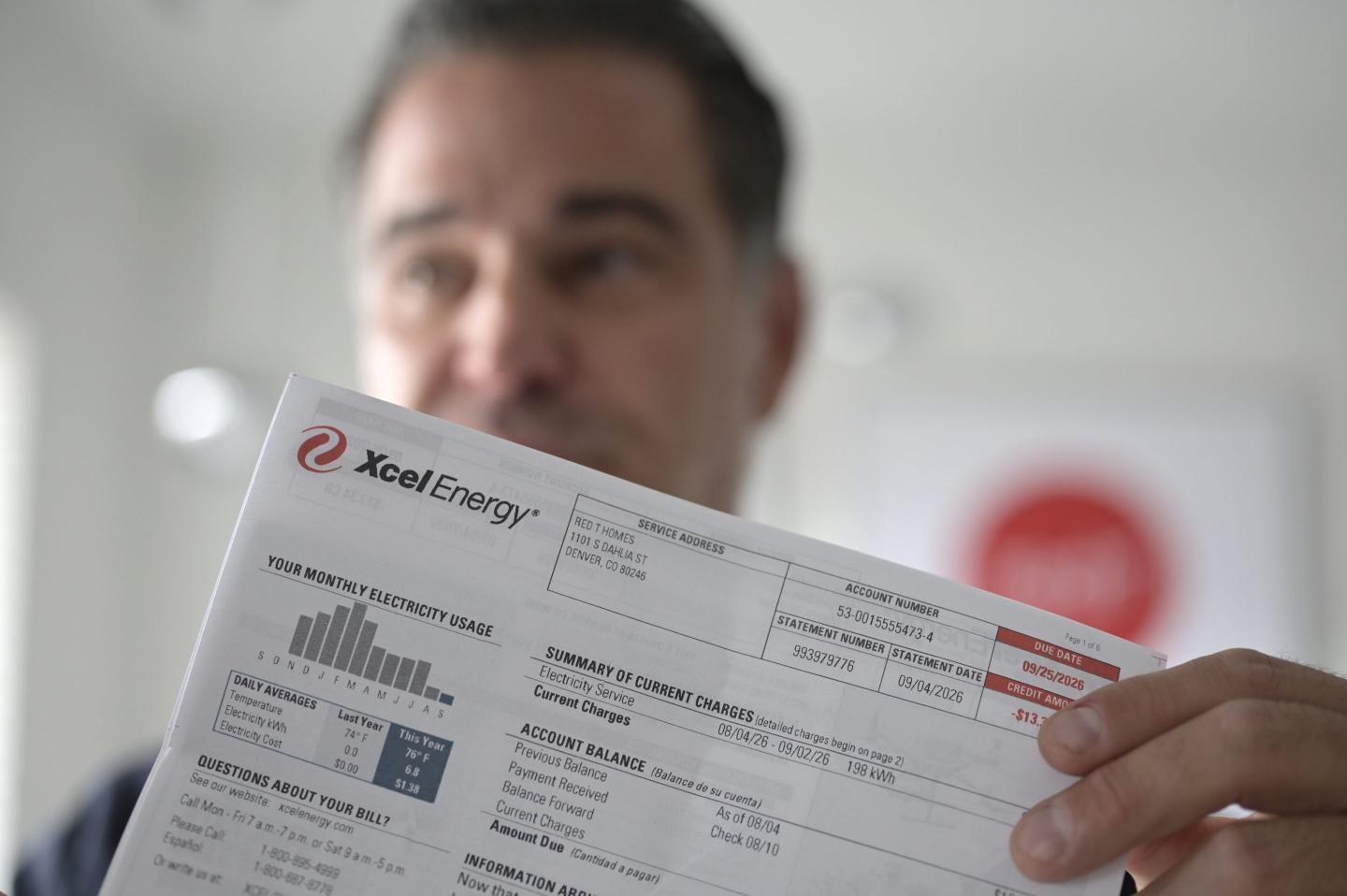
Energy costs have unexpectedly become one of the most consequential forces shaping the 2026 midterm elections. While fuel prices once dominated the conversation, spiking utility bills are now emerging as the decisive issue for voters across key states and competitive congressional districts.
What Happened
Record-breaking fuel prices, driven by the Iran war and global refinery outages, initially dominated the midterm discourse. However, electricity and natural gas bills have since surged roughly 40% over the past five years, with utilities requesting $23.1 billion in rate increases through the first three quarters of 2026—on track to match the nearly $31 billion record set in 2025. Compounding the pressure, the rapid expansion of AI data centers has intensified demand on an already aging grid.
Why This Matters
What makes this election cycle distinct is the shift of electricity and utility bills from behind-the-scenes regulatory matters to front-page ballot issues. Public utility commissioners, governors, and U.S. senators are all facing voter backlash over rate hikes that are typically approved behind closed doors. With heating oil up 74% year-over-year, gasoline at $4.33 a gallon, and diesel surpassing $6.33, families are feeling the compound squeeze across every form of energy.
Key Takeaways
- Utility rate hikes are now a top voter concern, with nearly half of the $4.5 billion in third-quarter requests concentrated in southern states.
- The data center boom is adding new grid pressure, though its exact impact on consumer rates remains a nuanced and debated topic.
- Extreme weather, aging infrastructure, and volatile fuel costs are driving much of the spending, but future investments will also fund new power generation to support digital infrastructure.
- Voters have limited power over global fuel prices but can influence utility rates through elected officials and public utility commissions.
Conclusion
Energy costs are no longer a peripheral issue—they are central to the 2026 midterm battle. As voters head to the polls, the true test will be whether utility bills and grid reliability outweigh traditional campaign themes, potentially reshaping power balances in Congress and statehouses nationwide.





Discussion
Join the conversation
Thoughtful reactions, questions, and follow-up ideas help shape the next story.