Introduction
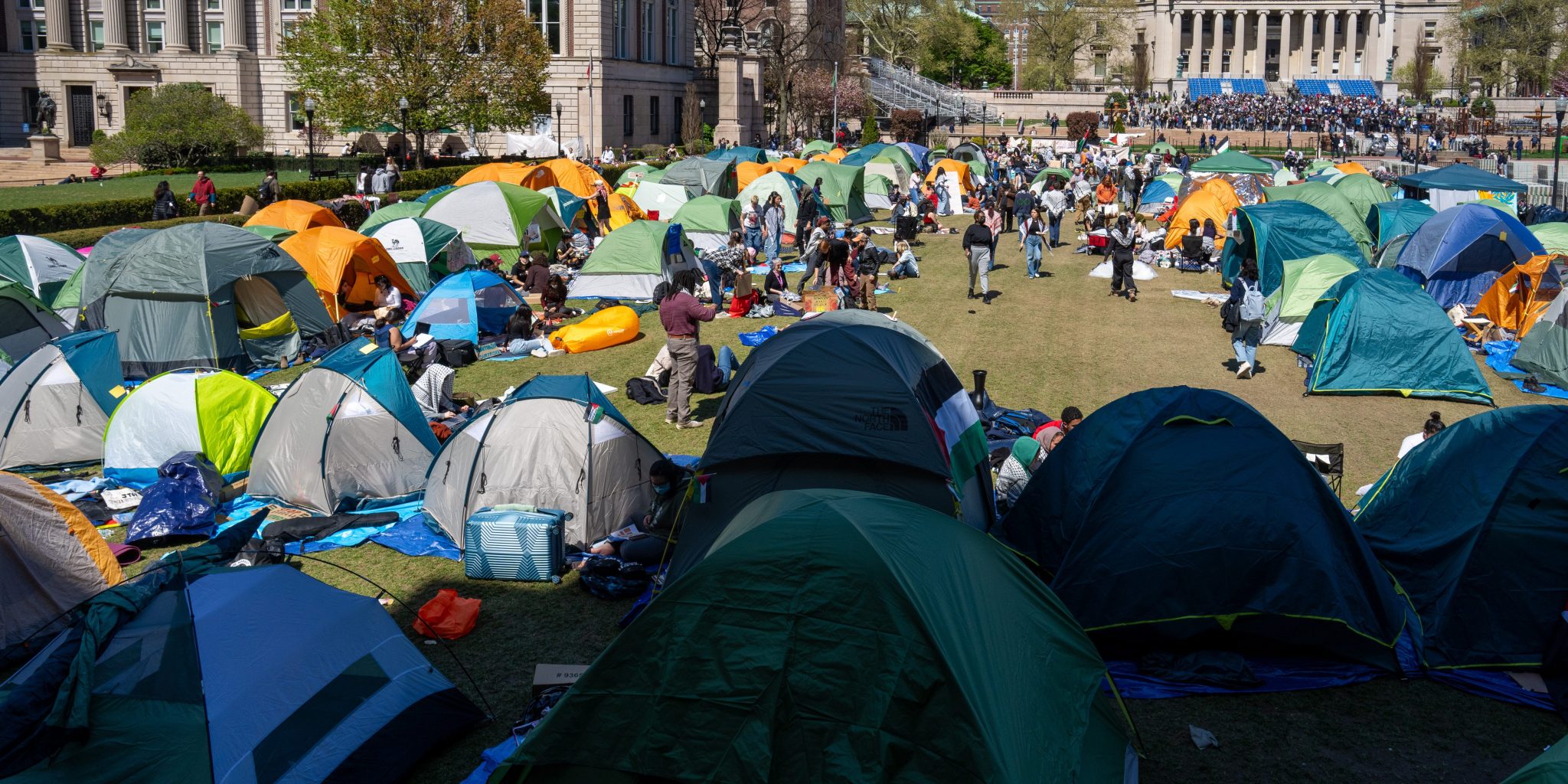
In April 2024, tents went up on the lawn at Columbia University. The students behind the encampment said they would stay until the school severed financial ties to Israel's war in Gaza. What started as a campus protest quickly spread to schools across the United States and around the world. Two years later, many of the people who lived in those tents are holding elected office, and the political map has changed in ways few anticipated when the first tents appeared.
What Happened
The Columbia encampment brought together law students, undergraduates, faculty, and residents from Harlem and Morningside Heights. Participants organized teach-ins, shared meals, held a Passover seder on the grass, and made decisions through consensus. Within weeks, similar encampments had sprung up at campuses nationwide.
University administrators responded by calling in police. Officers removed students from their own campuses, and more than 2,000 arrests took place at protests across the country that spring. Columbia suspended and expelled demonstrators, then later settled with the federal government. Mahmoud Khalil, one of the encampment's negotiators, was detained by immigration agents and was still facing deportation after his release in 2025.
The political consequences reached beyond campus gates. During the 2024 presidential election, many young voters believed the Democratic nominee would not break with U.S. policy on Gaza. More than 100,000 Michigan Democrats had voted uncommitted in the primary to warn the party about Israel's onslaught. After Donald Trump returned to the White House, Columbia agreed to pay more than $200 million to the new administration.
Why This Matters
The 2026 midterm results challenged the idea that the protests had hurt the Democratic Party. Darializa Avila Chevalier, a Columbia alumna and former encampment organizer, won the congressional seat that includes the university after defeating a five-term incumbent in the primary. In Michigan, Abdul El-Sayed won a Senate seat while campaigning openly against his party's position on Gaza. Democrats regained control of both the House and Senate, winning in places such as Texas, South Carolina, Kansas, Ohio, and Maine.
Zohran Mamdani's victory in New York City's mayoral race the previous year offered an early signal. His campaign drew strength from tenant unions, socialist organizers, and Palestine solidarity groups. More than 50,000 people volunteered during his primary, and over two million New Yorkers voted in the general election, the highest turnout for a mayoral contest since 1969.
The encampments also functioned as an organizing school. Students who had never run a campaign learned to manage security rotations, feed hundreds of people, coordinate legal support, and negotiate with powerful institutions. Many later applied those skills to phone banks, canvasses, and candidate campaigns. The pattern was not limited to the United States: student-led blockades in Serbia helped produce a parliamentary victory for the Students' List, while activists in India continued protesting mass voter-roll removals.
Key Takeaways
- Campus encampments at Columbia and other universities in 2024 grew into a nationwide student movement focused on Gaza and institutional divestment.
- Protesters faced arrests, suspensions, and police intervention, but many transitioned into political organizing and electoral campaigns.
- Former encampment organizers won major races in the 2026 midterms, including congressional seats in New York and Michigan.
- Democrats reclaimed the House and Senate, winning in states where the party had previously struggled to compete.
- The movement showed that direct action and electoral organizing can reinforce each other when traditional institutions fail to respond.
Conclusion
The Gaza encampments did not end the war, and the students' original demands remain unmet. But the movement changed what seemed possible for a generation of young voters. People who were told their anger was a liability instead built campaigns, recruited candidates, and knocked on doors in neighborhoods where they were not expected.
The victories of 2026 did not arrive overnight. They were built over two years of meetings, jail-support lines, and neighborhood canvasses. For those who participated, the results offer proof that sustained organizing can reshape electoral outcomes. The work continues, and the organizers who once protested from the outside are now part of the institutions they sought to change.
Discussion
Join the conversation
Thoughtful reactions, questions, and follow-up ideas help shape the next story.