Introduction
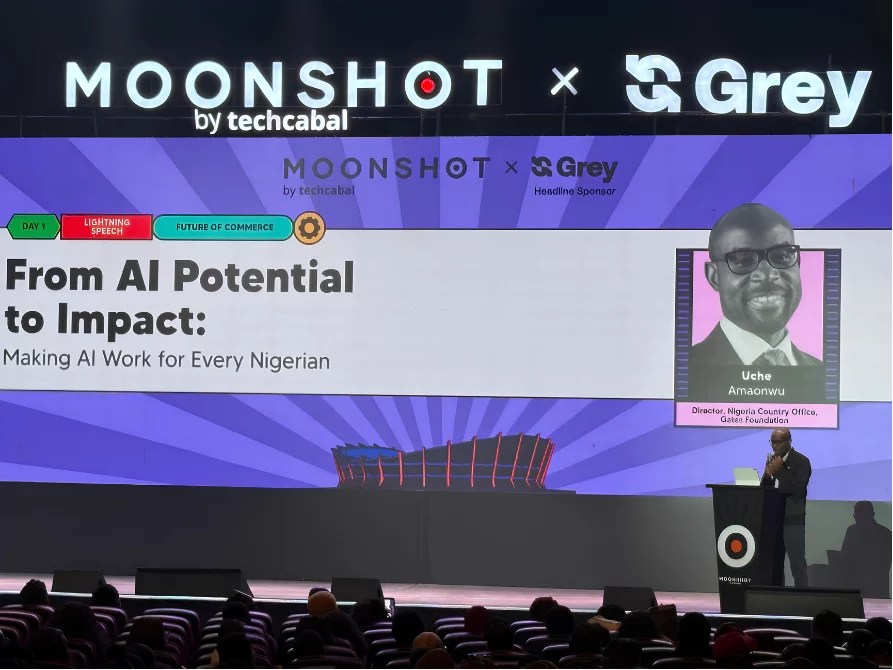
The Gates Foundation has issued a clear challenge to Africa's AI innovators success must be measured by how technology improves real lives not by the volume of products released At Moonshot by TechCabal in Lagos Uche Amaonwu the foundation's Nigeria director emphasized that artificial intelligence only creates lasting value when it deliberately reaches the people who need it most
What Happened
Speaking at the Moonshot event Amaonwu referenced the foundation's Goalkeepers report on AI and equity warning that without careful design and financing AI could deepen existing inequalities rather than close them He outlined the foundation's three human condition goals preventing maternal and child deaths protecting against infectious diseases and helping hundreds of millions escape poverty stating that AI's worth lies in accelerating progress toward these targets A centerpiece of this effort is the Nigeria AI Scaling Hub a partnership between Lagos Business School and the Federal Ministry of Communications Innovation and Digital Economy backed by up to 7.5 million over three years The hub focuses on moving proven AI tools from pilot projects into sustained institutional use requiring infrastructure policy support and viable funding models
Why This Matters
Amaonwu identified four pillars needed to transition AI from trial to impact First developers need shared infrastructure connectivity trusted data and interoperable systems so companies aren't rebuilding foundational tools from scratch Second AI tools must reflect Nigerian languages and contexts earn user trust from day one and include a clear path to adoption and payment Third identifying who will use the technology and who will finance its continuation is as critical as building it Finally the responsibility extends beyond tech companies governments shape adoption through regulation and investors determine which ventures scale Without these conditions even promising tools risk remaining confined to labs
Key Takeaways
- AI success in Africa should be defined by improvements in healthcare access education outcomes and farmer incomes not just product launches
- Shared infrastructure including connectivity and trusted data ecosystems is essential so multiple developers can build on common foundations
- Tools must be culturally and linguistically appropriate trusted by users and tied to clear adoption and payment pathways
- Government regulation and investor capital both shape the environment in which AI tools reach scale
- Concrete evidence such as clinics seeing better patient care classrooms with improved learning and farmers securing better prices will be the true measure of progress
Conclusion
The message from the Gates Foundation is unequivocal AI's potential in Africa depends on deliberate choices about how it is built financed and deployed No single actor can achieve this alone developers governments investors and communities must work together to ensure the technology touches lives and advances the human condition As Amaonwu told the audience the future worth building is the one we must build together



Discussion
Join the conversation
Thoughtful reactions, questions, and follow-up ideas help shape the next story.