Introduction
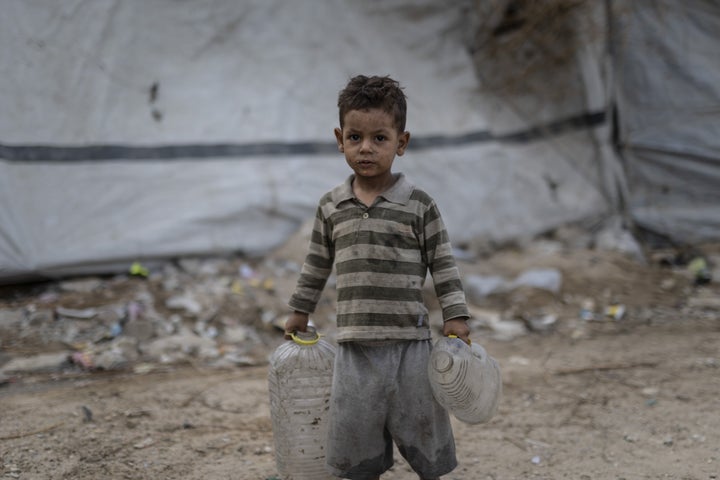
One year after a ceasefire was supposed to bring peace to Gaza, Palestinians still face daily bombardment, blocked aid, and a deepening humanitarian crisis. The truce that was meant to halt hostilities has instead become a period of prolonged suffering, with civilians enduring the lingering effects of conflict, restricted access to basics, and a fragile security situation that offers little respite.
What Happened
Since the ceasefire took hold, Israel maintains control over roughly 70% of the Gaza Strip, enforcing movement restrictions dubbed the yellow line. The Gaza Health Ministry has documented over 1,400 deaths and nearly 5,000 injuries since the agreement began. Humanitarian access has been slashed to a single crossing point at the strip's southern tip, severely limiting the flow of essential supplies and leaving much of the population without reliable aid channels.
Why This Matters
The ceasefire was intended as a turning point, but ongoing attacks, fuel shortages, and political deadlock have stalled progress. Winter has intensified the urgency, with 94% of residents lacking adequate shelter and facing rain, cold, and displacement. The World Health Organization warns of rising disease rates, including gastroenteritis and skin infections, driven by water shortages and collapsed infrastructure. Children are especially vulnerable as aid restrictions block nutritious foods while allowing less healthy alternatives.
Key Takeaways
- Over 1,400 Palestinians have been killed and nearly 5,000 injured since the ceasefire began.
- 94% of Gaza's population remains in urgent need of shelter as winter approaches.
- Humanitarian aid is funneled through one crossing, severely restricting reach.
- Disease outbreaks are rising due to water shortages, poor sanitation, and damaged health facilities.
- Israel's restrictions on food supplies, including peanut butter for children, have intensified the hunger crisis.
Conclusion
The ceasefire that was supposed to end hostilities has instead become a period of prolonged suffering for Gaza's civilians. Without sustained humanitarian access, political commitment, and reconstruction support, the population continues to face daily threats to health, safety, and dignity. The international community faces growing pressure to ensure aid reaches those who need it most and that the truce does not further deteriorate into widespread catastrophe.



Discussion
Join the conversation
Thoughtful reactions, questions, and follow-up ideas help shape the next story.