Introduction
The charm of a century-old home often comes with unexpected renovation hurdles, especially when rooms have been untouched for generations. When Melissa Doucet acquired her 1922 house, the dining room was a pristine-time capsule in need of a thoughtful update. Her goal was to honor the space's original warmth while introducing safe, modern materials and a refreshed aesthetic that could keep up with a busy family of five.
What Happened
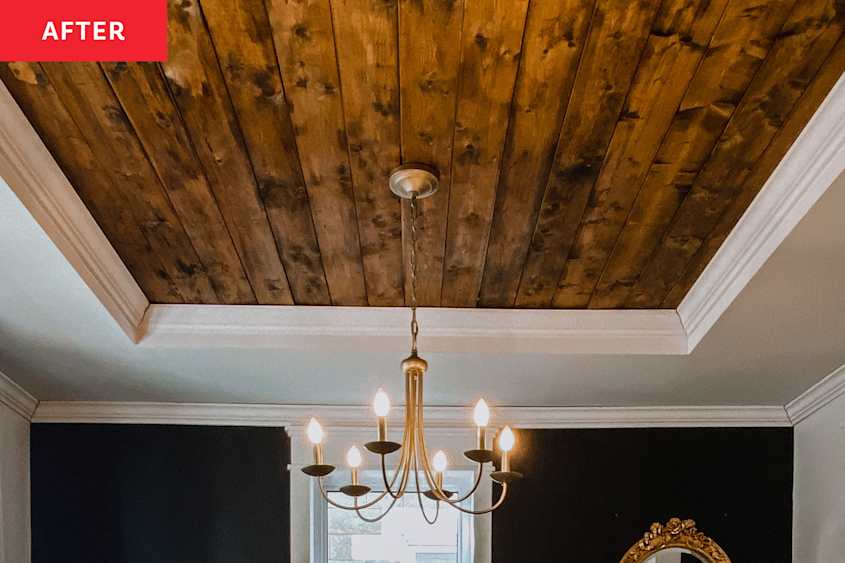
Removing layers of old wallpaper revealed that the plaster walls couldn't survive the process, prompting a full gut-down to the studs. The couple tackled the drywall, finishes, and decor themselves, enlisting professional help only for plumbing and electrical work. The most surprising element emerged when a bulkhead was needed for the primary ensuite bathroom—initially, Doucet feared it would ruin the room's soaring proportions. Because the ceilings were already high, the drop added architectural interest rather than crowding the space, and the decision to clad it in wood turned what was expected as an eyesore into the room's most talked-about detail.
Why This Matters
Design choices that start as compromises often become the very features that define a room's character. The dropped ceiling, once a source of doubt, introduced visual depth and a perfect backdrop for the room's moody, romantic vibe. Pairing the wood treatment with a bold black paint palette specifically Sherwin-Williams Caviar created a striking contrast that made the vintage furnishings and curated decor pop. The transformation shows how a structural necessity can double as a design opportunity when approached with creativity.
Key Takeaways
Melissa's experience offers several lessons for anyone tackling a historic home makeover. Letting go of the urge to perfectly preserve every original detail can free up space for bolder, more effective solutions; the original molding was replicated in white to match the new aesthetic. Thoughtful shopping matters—taking time to source vintage and antique pieces adds narrative and texture that new furniture often lacks. Perhaps the biggest takeaway is the wisdom of going with the flow when a project reveals unexpected paths, turning perceived setbacks into standout design moments.
Conclusion
What began as a cautious renovation of a 100-year-old dining room evolved into a cozy, comfortable space perfectly suited for family gatherings and intimate dinners. By embracing the dropped ceiling, committing to a dramatic color palette, and curating pieces with care, Doucet created a room that feels both timeless and deeply personal. Her story reminds us that the best design often emerges from the moments we least expect it.



Discussion
Join the conversation
Thoughtful reactions, questions, and follow-up ideas help shape the next story.