Introduction
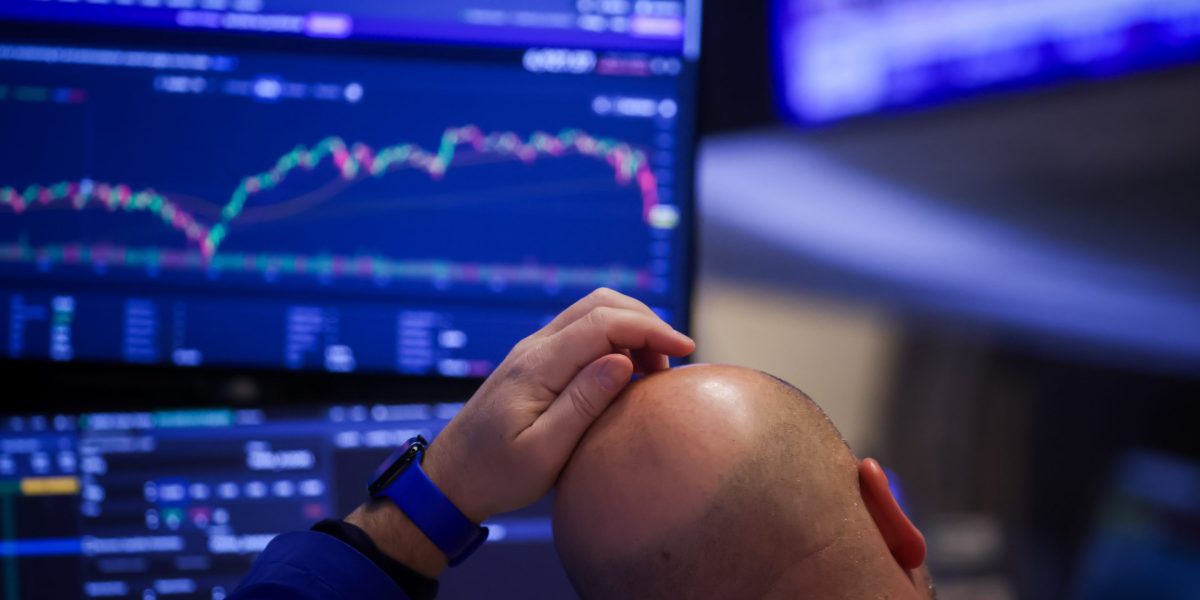
Wall Street is grappling with a sharp equity pullback that has moved well beyond technology shares. The S&P 500 finished Friday in correction territory after seven consecutive daily losses, its longest losing streak since early 2020. Goldman Sachs strategists now warn the sell-off has evolved from an artificial intelligence unwind into a broader reassessment of growth prospects, and they have laid out specific signals they want to see before declaring a market bottom.
What Happened
The S&P 500 dropped 3.59% to close at 6,918.45, marking its seventh straight decline and the longest losing streak since early 2020. The index now sits roughly 12% below its October peak. The Nasdaq Composite fell even harder, sliding 5.28% and turning negative for the year.
Goldman’s AI-focused basket of stocks has tumbled about 32% since early October. Meanwhile, the S&P 500 excluding AI-related companies held up longer but finally cracked this week, ending about 6% below its own high. Cyclical shares have underperformed defensive stocks by five percentage points over the past ten days.
Nvidia experienced a particularly brutal session, posting its worst single-day drop in nearly two years. The chipmaker is down roughly 47.5% since October and has shed around $2.7 trillion in market value. Other semiconductor names, including Broadcom, Micron, and AMD, also fell between 12% and 14%.
Adding to the unease, Anthropic’s highly anticipated public offering initially surged before giving back most of its gains, closing near its IPO price. The offering raised $93.5 billion, making it the largest IPO on record. Morgan Stanley, which was supporting the shares, ended its stabilization role.
Why This Matters
The shift matters because it signals the market is no longer just punishing overvalued AI names. Investors are now questioning whether the broader economy can sustain growth if AI spending fails to translate into meaningful revenue. Goldman estimates AI-driven capital spending accounted for about half of this year’s earnings growth, and the bank’s strategists describe the AI outlook beyond 2028 as highly uncertain.
On the monetary policy side, traders are pricing in a high probability of another Federal Reserve rate hike in December, with the central bank scheduled to meet on December 9. Goldman economists expect increases in both December and March, which would push the federal funds rate to a peak between 4.25% and 4.5%. A dovish pivot from the Fed appears unlikely in the near term.
Market anxiety is also visible in volatility measures. The VIX, often called Wall Street’s fear gauge, closed at 35.89, its highest level in 19 months.
Key Takeaways
- Goldman Sachs says a market bottom depends on one of three conditions: stronger confidence in AI earnings, a dovish signal from the Federal Reserve, or a significant reduction in investor positioning.
- Hedge funds have already reduced leverage to its lowest level since April 2025, but broader sentiment indicators remain above average.
- Retail and institutional investors have poured nearly $170 billion into U.S. equity mutual funds and ETFs during the fourth quarter.
- Historically, the S&P 500 has averaged a 4% gain over the three months following a correction, though some past corrections have deepened into bear markets.
- Goldman’s latest price targets for the index range widely, reflecting deep uncertainty about whether confidence in AI earnings will return.
Conclusion
The current downturn is at a crossroads. Goldman’s strategists note that hedge funds have already trimmed their exposure, but broader positioning has not fully washed out. Until investors see clear evidence that AI investments are paying off, or until the Federal Reserve signals a more accommodative stance, the path to a durable bottom remains unclear.
For now, the market appears to be testing whether this is a healthy correction or the start of something more severe. History suggests corrections often recover, but the concentration of recent gains in AI-related stocks means the index may remain vulnerable until that narrative stabilizes.
Discussion
Join the conversation
Thoughtful reactions, questions, and follow-up ideas help shape the next story.