Introduction
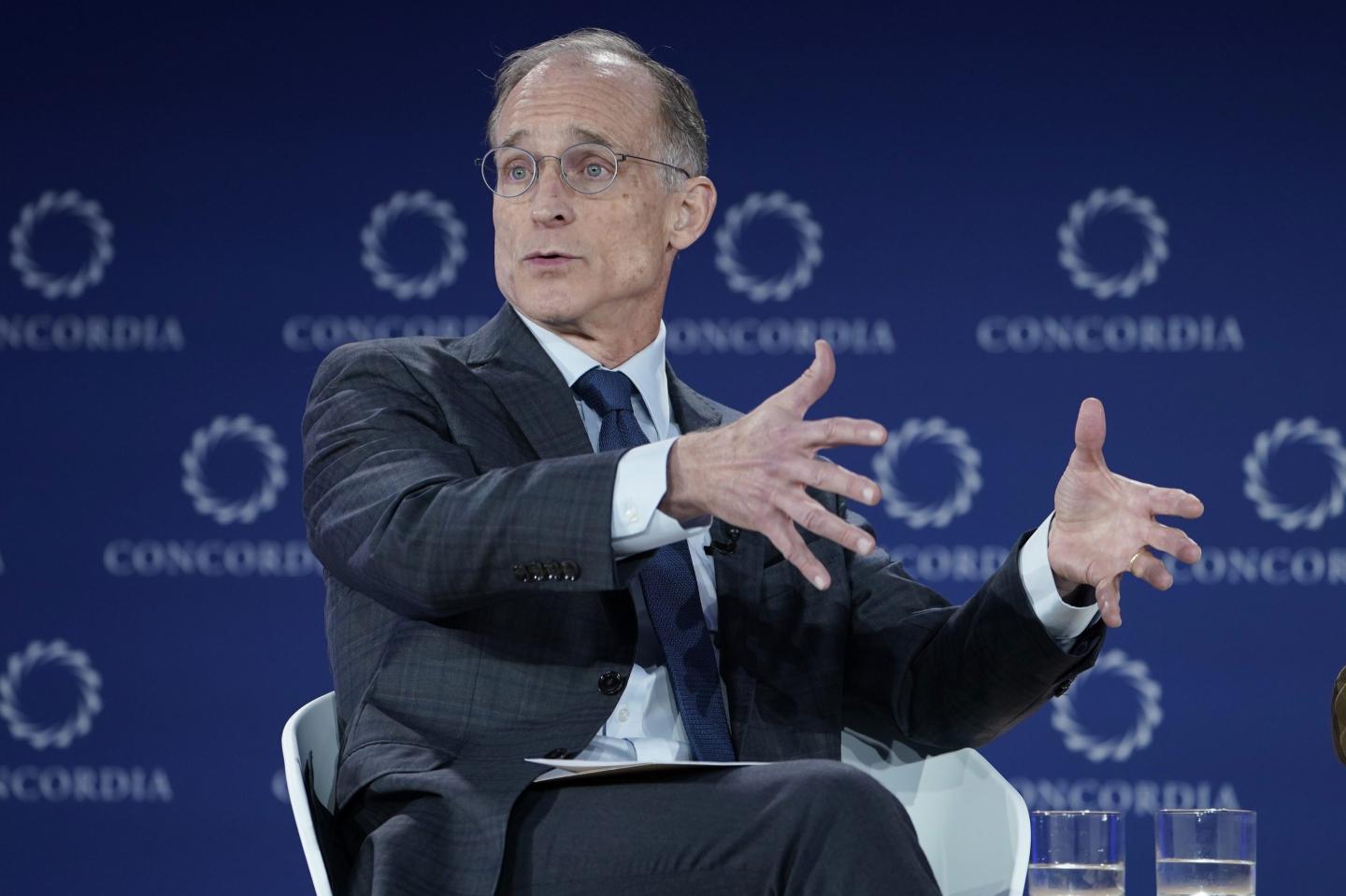
Some of the nation's largest employers have publicly pledged to drop college degree requirements, promising a more inclusive path to employment. But according to Goodwill CEO Steve Preston, those promises are not always making it past the executive suite and into actual hiring decisions. In a recent conversation with Fortune, Preston warned that while CEOs may endorse skills-first hiring, the managers conducting interviews often still favor candidates with four-year degrees.
What Happened
When companies such as Google, Microsoft, IBM, and Apple removed degree requirements from many job postings, it sparked a wave of similar commitments across industries. Yet Preston told Fortune that the reality at the hiring level is more complicated. He said leadership frequently endorses skills-first hiring, but execution is inconsistent. In his view, the gap between stated policy and actual hiring decisions remains wide.
Preston leads a nonprofit that operates more than 650 job centers, and nearly 2 million people used its employment services in the past year. He said the organization is preparing for an influx of jobless Gen Z workers as automation continues to reshape the labor market.
Why This Matters
Young adults without college degrees are bearing the brunt of this disconnect. Preston noted that people without degrees are more likely to be unemployed than their degree-holding peers, with the challenge appearing especially acute for young men.
Part of the issue, he said, is psychological comfort. A college degree can signal to a hiring manager that a candidate possesses foundational abilities such as critical thinking, teamwork, and communication. Managers also tend to gravitate toward candidates who share their own educational background and experiences.
Preston emphasized that excluding non-degree talent is not just a social issue—it is a business risk. Organizations that cast a wider net tend to fill roles faster, report fewer team deficiencies, and see higher employee engagement.
Key Takeaways
- Major employers including Google, Microsoft, IBM, and Apple have eliminated degree requirements for many roles, but implementation varies.
- Goodwill CEO Steve Preston says hiring managers often bypass corporate skills-first policies and still prefer college graduates.
- Gen Z job seekers without degrees face higher unemployment, particularly young men.
- Hiring managers may favor degree holders because of perceived foundational skills and personal similarity bias.
- Preston advises non-degree candidates to demonstrate skills through work experience, volunteering, upskilling, and extracurricular activities.
- Broader, inclusive hiring practices are linked to better staffing outcomes and stronger workplace culture.
Conclusion
The shift toward skills-first hiring is real, but it remains uneven. For millions of Gen Z workers without college degrees, the gap between corporate policy and hiring-room reality can determine whether they get a foot in the door. Preston's message to employers is clear: evaluate what candidates can actually do, not just where they went to school. For job seekers, the path forward involves proving capabilities through experience and advocating for recognition of non-traditional credentials.
Discussion
Join the conversation
Thoughtful reactions, questions, and follow-up ideas help shape the next story.