Introduction
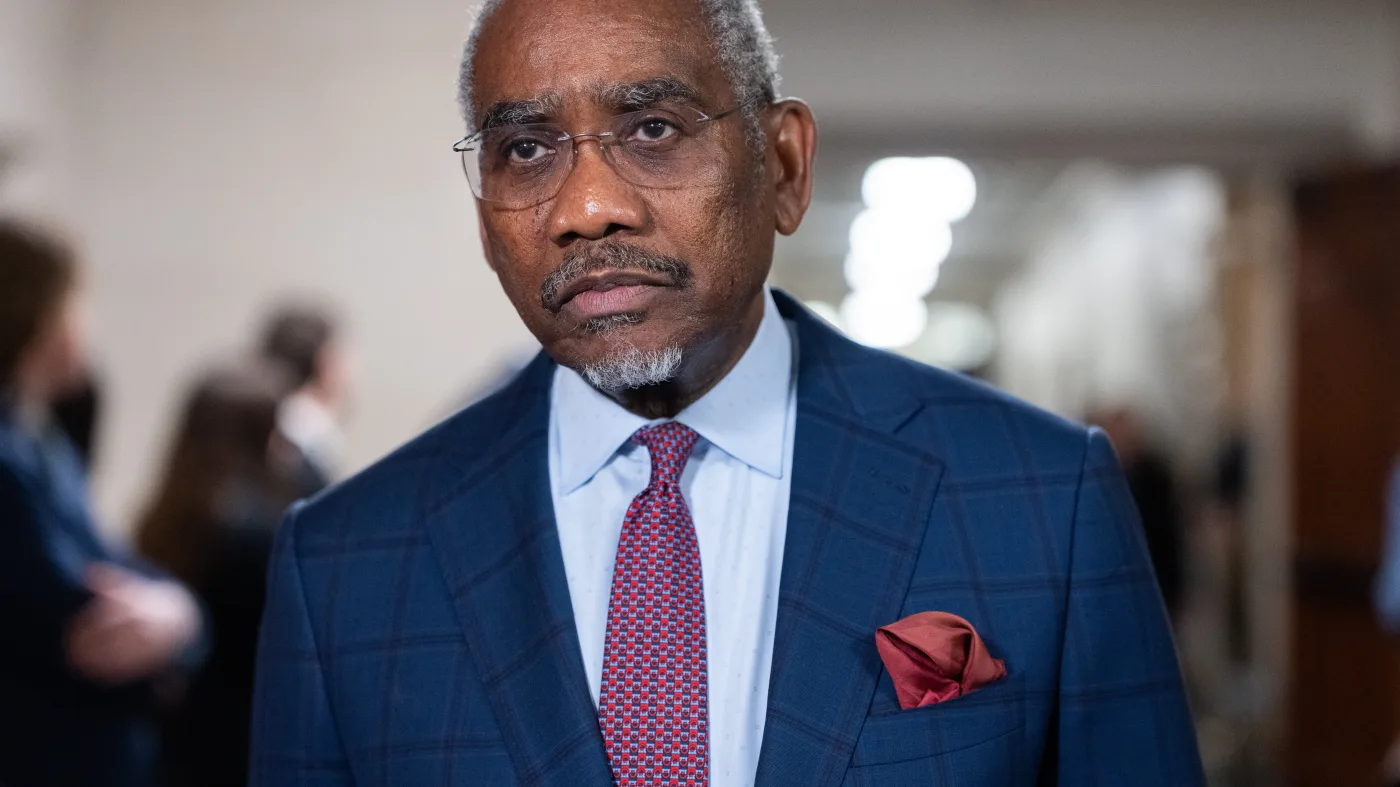
Representative Gregory Meeks of New York, the senior Democrat on the House Foreign Affairs Committee, is raising alarms about a recent meeting between President Donald Trump, Chinese President Xi Jinping, and Russian President Vladimir Putin. In a radio interview, Meeks said the summit in Shenzhen appeared to lack a coherent strategy and produced few tangible results on issues ranging from the war in Ukraine to nuclear arms control.
What Happened
The three leaders gathered in Shenzhen, China, for talks that concluded without clear announcements on stopping Russia's war in Ukraine or advancing nuclear disarmament. Meeks told NPR's Morning Edition that he wished the president had entered the meeting with defined objectives, adding that he does not believe such a plan existed. The New York congressman also said he worried the discussion could amount to carving the world into spheres of influence, which would push American allies to the margins.
Separately, Meeks addressed reports involving Nvidia and alleged Chinese espionage. He said he would press Xi directly on intellectual property theft and signal that the United States is prepared to respond with consequences if Beijing crosses what he described as a national-security red line.
Why This Matters
Meeks argued that U.S. diplomats should have raised concerns about Chinese spying and technology theft before the summit ever began, using those issues to set firm goals for the negotiations. He also suggested the administration should lower tariffs on allied nations while demanding that China stop supporting Russia's war effort. From his perspective, the absence of a unified approach risks weakening partnerships that Washington has spent decades building.
Key Takeaways
- Rep. Gregory Meeks is the top Democrat on the House Foreign Affairs Committee.
- He questioned whether President Trump achieved anything concrete in the Shenzhen meeting with Xi and Putin.
- The summit produced little visible progress on Ukraine, nuclear arms control, or artificial intelligence safety.
- Meeks warned that the talks could lead to a division of global influence that sidelines U.S. allies.
- He plans to confront Chinese leadership over espionage and intellectual property theft tied to the Nvidia matter.
- Meeks advocates for reduced tariffs on allies and stronger pressure on China regarding Russia's invasion of Ukraine.
Conclusion
The summit has left Democratic lawmakers searching for evidence of a coherent White House strategy toward Beijing and Moscow. Meeks made clear that he views the meeting as a missed opportunity to defend American interests and reassure allies. Whether the administration adjusts its approach ahead of future high-stakes diplomacy remains to be seen.
Discussion
Join the conversation
Thoughtful reactions, questions, and follow-up ideas help shape the next story.