Introduction
Many renters and homeowners reach for blackout curtains to block early morning light, especially when a new baby makes sleep a precious commodity. But off-the-shelf panels often hang flat and unfinished, leaving windows looking more utilitarian than inviting. A simple curtain styling trick circulating on social media promises to fix that without a sewing machine or a big budget.
What Happened
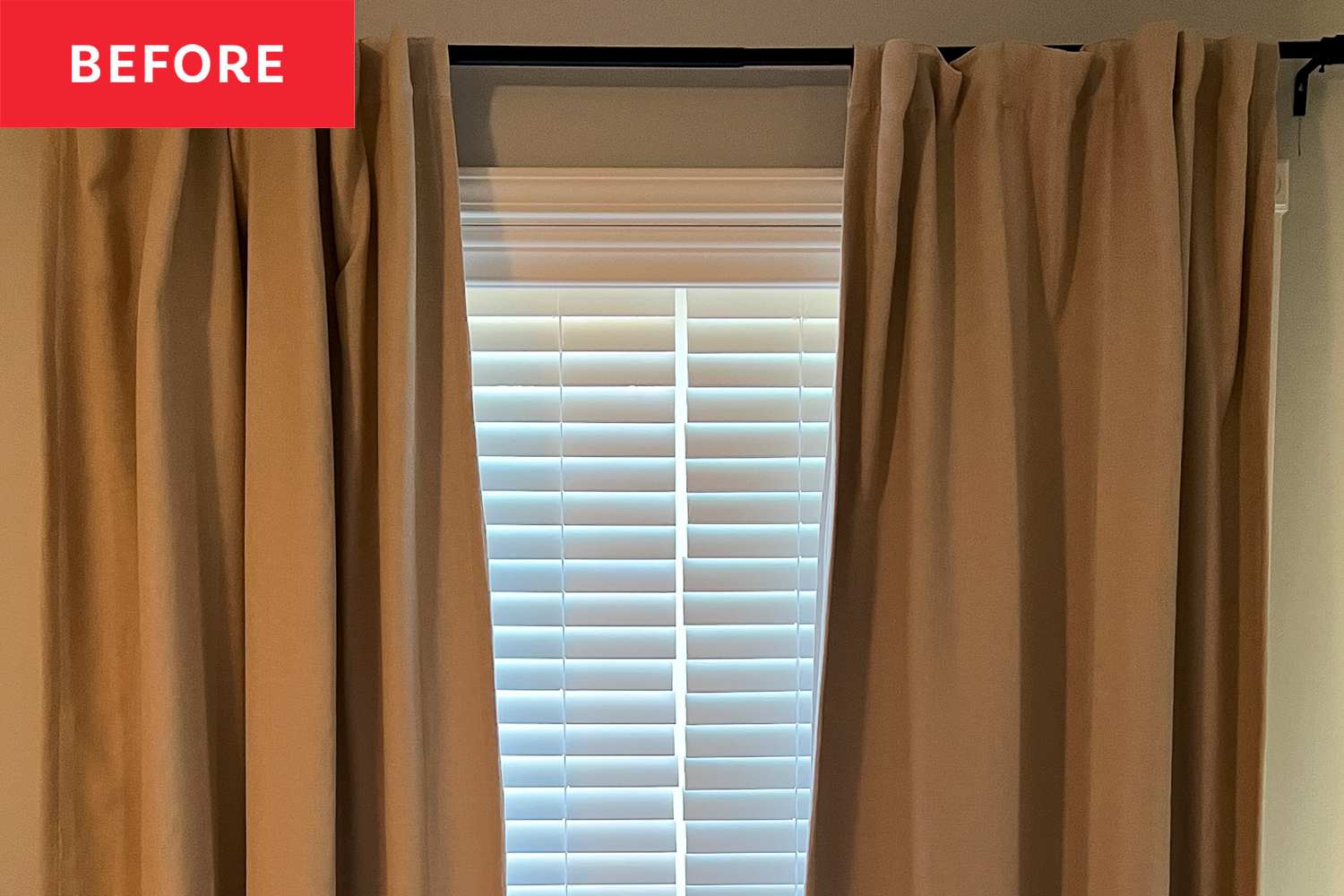
After installing basic blackout curtains in a hurry, the writer found the panels looked dull and sagged between the clips. A short video by designer Windsor Dalton showed a workaround: threading pleat tape through the existing back tabs on the curtain header, then using curtain clips to pinch the fabric into even folds. The writer replicated the method on two panels. Because the curtains already used back tabs, no sewing was required—only scissors, pleat tape, and clips. The entire process took roughly ten minutes. The tape cost about $15, and with plenty left over, it should cover several more windows. If curtain rings aren’t already on hand, a pack adds around $7, keeping the total under $25.
Why This Matters
Custom pleated curtains often carry a steep price tag, and traditional pleat tape installation usually involves sewing. This hack removes both barriers. It works specifically with curtains hung from back tabs, which means it is not suitable for rod-pocket or rivet-mounted panels. For anyone wanting a tailored look without altering the curtain permanently or spending a lot, the method offers a low-risk, reversible upgrade. It also preserves blackout functionality while improving the visual finish.
Key Takeaways
- Pleat tape threaded through back tabs creates structure at the curtain header.
- Curtain clips pinch the fabric into neat, even folds without sewing.
- The project takes about 10 minutes per panel.
- A $15 roll of pleat tape leaves enough material for multiple windows.
- The technique works best with back-tab curtains, not rod pockets or rivets.
- Positioning the innermost clip a few inches from the edge hides the curtain lining.
Conclusion
The result is a crisp, tailored header that makes inexpensive panels look far more expensive. Whether the curtains are open or closed, the added folds give the window a more finished appearance. Since the hack requires no stitching and uses inexpensive supplies, it is an accessible way to refresh a room’s look in a single afternoon.
Discussion
Join the conversation
Thoughtful reactions, questions, and follow-up ideas help shape the next story.