Introduction
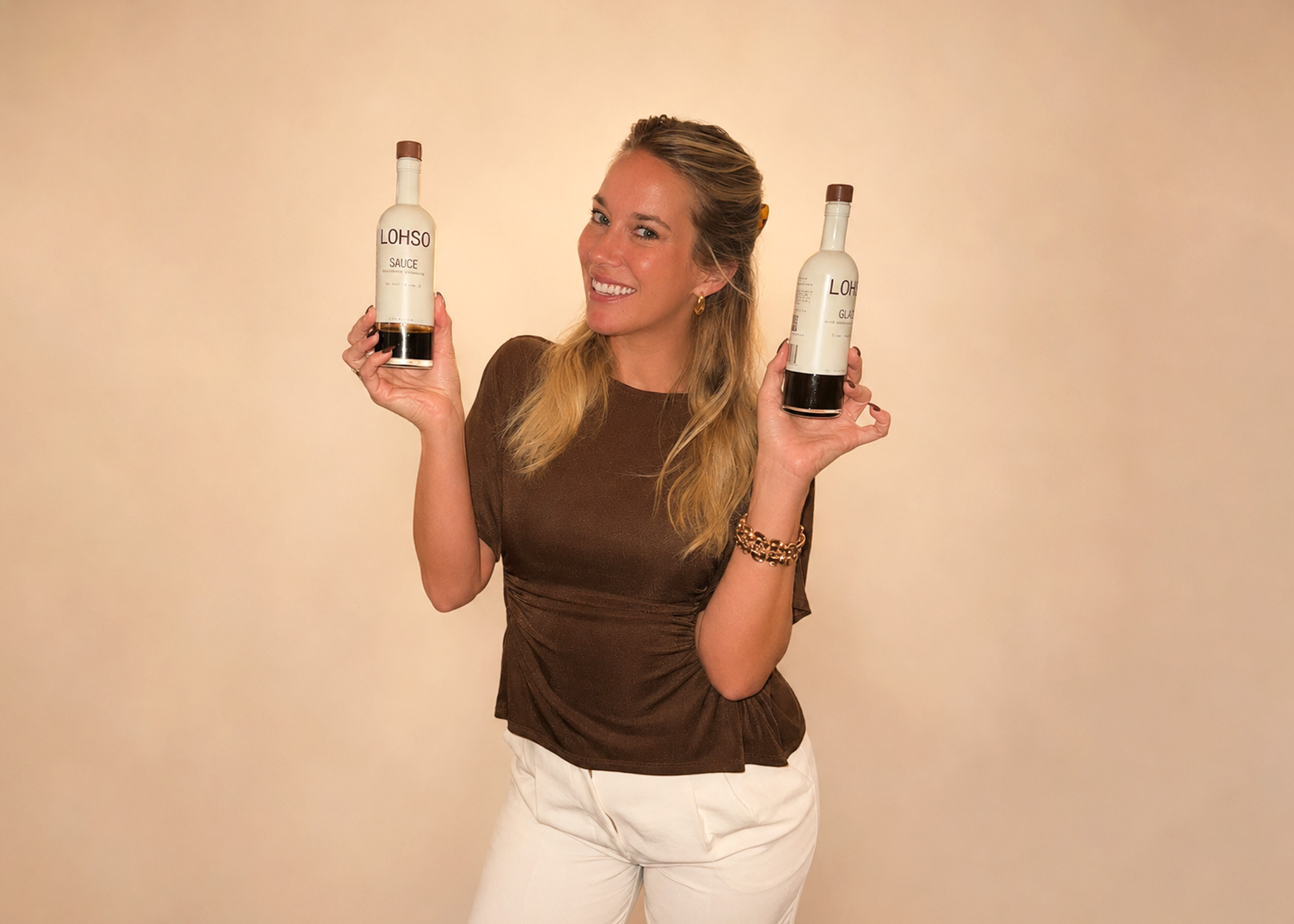
Lauren Mahurin had already transformed her own health by losing 100 pounds, but she struggled to find grocery store products that matched her standards. Tired of bland "better-for-you" options, the 32-year-old New York City marketer decided to create her own. What began as a side project in February 2026 has grown into Lohso, an organic coconut-sap soy sauce alternative with 53 percent less sodium that is now stocked in more than 50 retailers nationwide and generating roughly $15,000 in monthly revenue.
What Happened
Mahurin did not quit her day job immediately. While leading marketing and affiliate strategy at Publicis Media for major brands such as Verizon, Disney, and Macy's, she spent about a year developing Lohso from concept to physical product. She invested approximately $80,000 of her own money into product development, packaging, manufacturing, and marketing.
Before launch, she validated demand by surveying her target audience and running blind taste tests against conventional soy sauces and other coconut aminos brands. She also built an audience in advance by documenting the founder journey online, sharing wins, mistakes, packaging decisions, and supply chain challenges.
The strategy worked. Lohso generated revenue in its first week and sold out of its initial inventory within 60 days. Six months after launching, Mahurin turned down a promotion and left her corporate role to focus on the business full time. Today, the brand is available in over 50 retailers across the country and brings in about $15,000 a month.
Why This Matters
Lohso's story illustrates how modern founders can launch physical products without a large team or outside funding. Mahurin jokes that Claude, an AI assistant, was her first employee—handling operational analysis, system building, and administrative work without a salary or benefits. Combined with Shopify for direct-to-consumer sales and Canva for marketing design, these tools allowed her to operate as a team of one while maintaining a full-time job.
The approach also highlights the value of building demand before a product exists. By sharing her process publicly and gifting early samples to trusted industry voices, Mahurin created organic buzz and secured retail interest before launch day.
Key Takeaways
- Validate demand early: Surveys and blind taste tests helped Mahurin confirm that taste, not just health benefits, would drive purchases.
- Use AI as leverage: Claude served as an unofficial chief operating officer, streamlining backend operations for a bootstrapped founder.
- Build in public: Founder-led content and free product samples generated authentic word-of-mouth and retail relationships before launch.
- Own the customer relationship: Shopify allowed Lohso to sell directly to consumers and collect valuable first-party data.
- Revenue is not profit: In consumer packaged goods, growth requires continuous reinvestment, so monthly revenue does not equal take-home pay.
Conclusion
Mahurin's advice for aspiring entrepreneurs is straightforward: talk to 10 real potential customers—not friends or family—before falling in love with an idea. A beautiful brand means little if the product inside does not solve a genuine problem. For Lohso, the combination of personal health motivation, rigorous validation, AI-assisted operations, and public building turned a side hustle into a multi-channel brand with national distribution and five-figure monthly revenue.
Discussion
Join the conversation
Thoughtful reactions, questions, and follow-up ideas help shape the next story.