Introduction
India has committed $1.62 billion in financial assistance to Nepal following devastating floods that struck the Himalayan nation in late August. The package, announced during talks in New Delhi, pairs reconstruction grants with a credit line for energy infrastructure. Beyond disaster recovery, the move underscores a long-standing strategic contest between India and China for influence over Nepal’s economic and political future.
What Happened
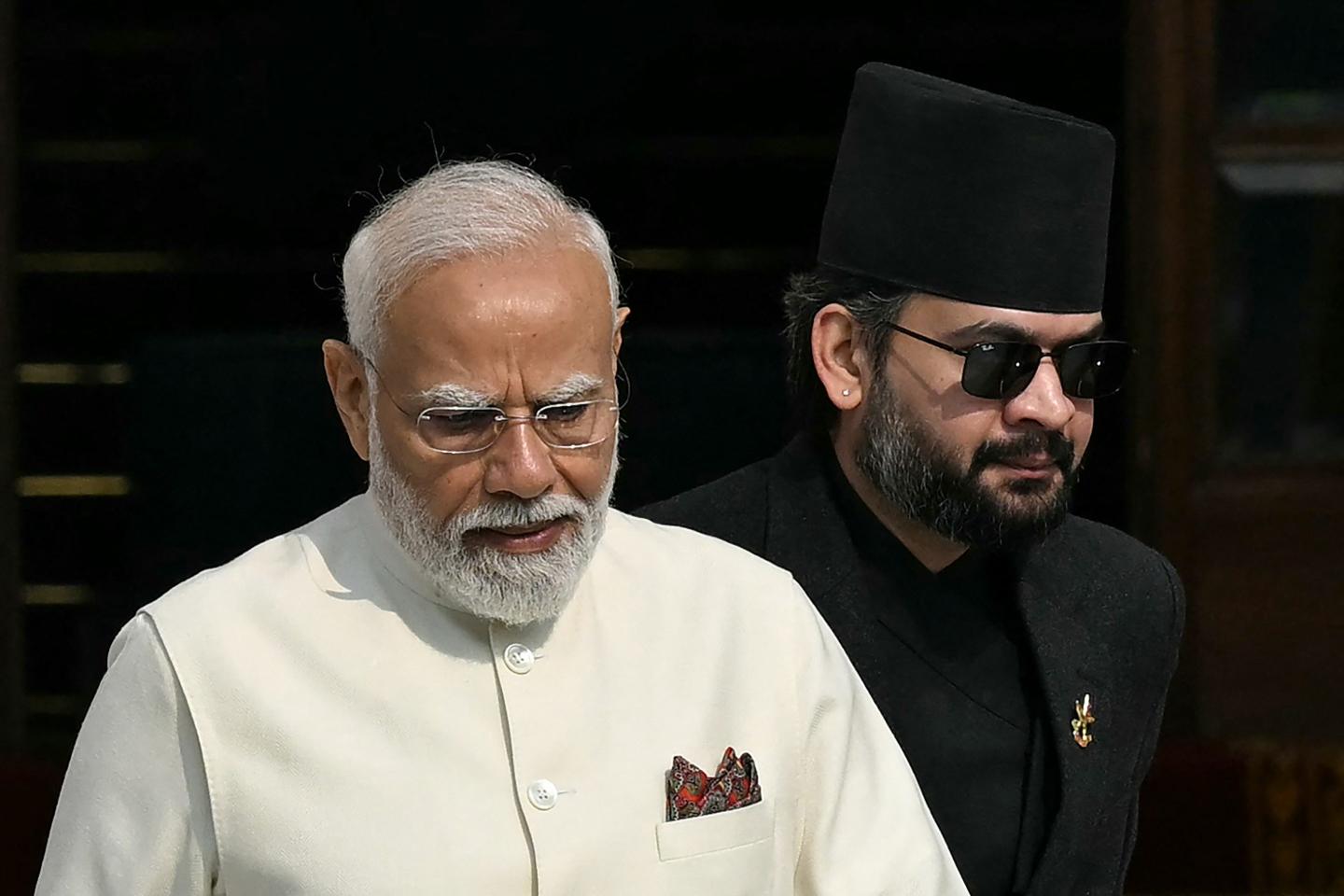
On November 23, Indian Prime Minister Narendra Modi and Nepalese Prime Minister Balendra Shah met in New Delhi, where India unveiled the aid commitment. According to a joint statement, the package consists of a $377 million grant for post-disaster reconstruction and new infrastructure, plus a $1.24 billion line of credit earmarked for energy projects. The credit carries preferential terms and sourcing requirements tied to India.
The August floods were among the deadliest disasters in Nepal’s recorded history, claiming at least 1,300 lives. UNICEF estimates that 84,270 people, including more than 32,000 children, were affected. With winter approaching, aid officials warned that many families remain in temporary shelters and face worsening conditions in the highlands.
Breakdown of the Assistance
- $377 million grant for reconstruction and infrastructure projects
- $1.24 billion preferential credit line for energy initiatives
- Total commitment: $1.62 billion
Shah’s visit marked his first official foreign trip since taking office in March, following youth-led protests against corruption in 2025. He thanked India for acting as an early responder to the floods and extended an invitation for Modi to visit Nepal.
Why This Matters
Nepal faces a massive recovery bill. A government assessment estimates reconstruction will cost 706.65 billion Nepali rupees, or roughly $5.2 billion—more than 10 percent of the country’s 2025 GDP. India’s package covers only a portion of that need, but it reinforces New Delhi’s position as Nepal’s largest trading partner and a primary source of development assistance.
The timing also carries geopolitical weight. China shares an 878-mile border with Nepal, accounts for nearly half of its foreign direct investment, and is its second-largest trading partner. Beijing has proposed multiple Belt and Road Initiative projects, including a railway linking Kathmandu with Tibet. China also provided flood relief, including cash, supplies, and rescue personnel.
Analysts suggest India is using the aid to counterbalance China’s courtship of Kathmandu. Constantino Xavier of the Brookings Institution noted that the credit line could support Nepal’s industrialization and create cross-border supply chains. Former Nepali Times editor Kunda Dixit told Reuters that India may want to ensure Nepal’s new leadership does not lean too far toward Beijing.
Key Takeaways
- India pledged $1.62 billion to Nepal after deadly August floods, split between a reconstruction grant and an energy credit line.
- The announcement followed the first foreign trip by Nepalese Prime Minister Balendra Shah, who met with Narendra Modi in New Delhi.
- Nepal’s total recovery needs are estimated at $5.2 billion, exceeding 10 percent of its annual GDP.
- China remains a major economic player in Nepal through investment, trade, and Belt and Road projects.
- India has historically provided more aid to Nepal than China, disbursing over four times as much in the 2024–25 fiscal year.
Conclusion
The $1.62 billion package is more than humanitarian assistance; it is a strategic investment in a critical neighborhood. While India continues to lead in direct aid disbursements, experts caution that lasting influence depends on sustained engagement rather than single transactions. As Nepal rebuilds, the competing interests of New Delhi and Beijing are likely to shape the country’s recovery and its regional alliances for years to come.
Discussion
Join the conversation
Thoughtful reactions, questions, and follow-up ideas help shape the next story.