Introduction
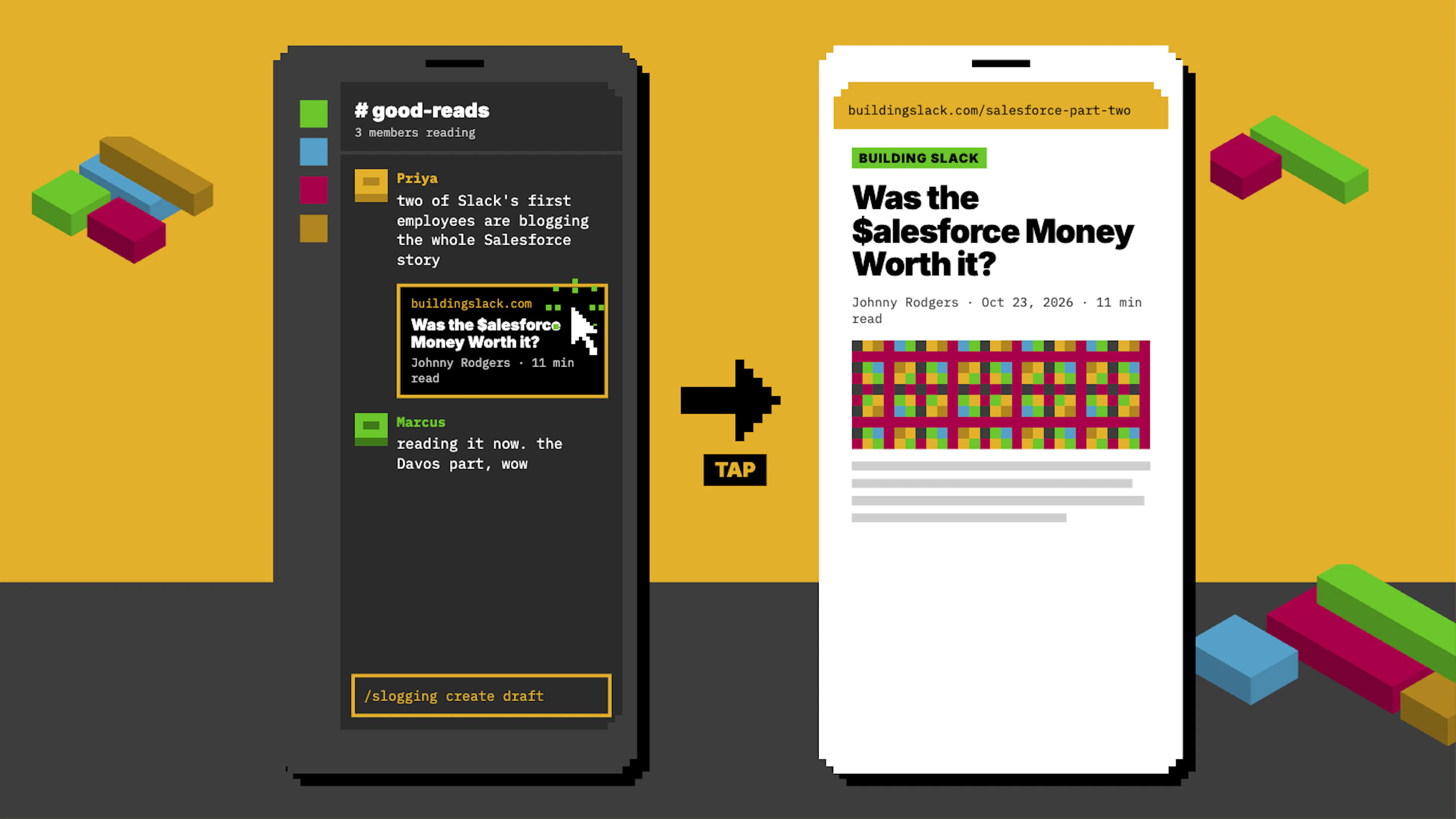
When Slack sold to Salesforce for $27.7 billion, the tech world focused on the balance sheet. But the real story came from the people who built the product. Original employees Ali Rayl and Johnny Rodgers spent over two years blogging Slack's history, one post at a time, offering a rare first-person account of the company's journey from startup to acquisition.
What Happened
The archive covers Slack's evolution from its earliest days through the Salesforce deal. Key moments include the platform's launch in 2014, its battle with Microsoft's entry, a major reliability crisis in 2018, and the decision to go public via direct listing. The blog series culminates in two detailed posts titled Salesforce Part One and Salesforce Part Two, which disclose the negotiation dynamics, founder reactions, and integration challenges that outsiders never saw.
Why This Matters
This insider perspective matters because it reframes a familiar acquisition narrative. Readers gain access to candid reflections on culture clash, founder-led strategy, and how the product's daily use shaped the deal's value. The story also highlights how workplace tools influence enterprise strategy, AI training markets, and the long-term valuation of digital collaboration platforms.
Key Takeaways
- Slack's founders initially courted Salesforce's Quip before the acquisition bid.
- Henderson recalls the team believed no buyer had the money for them, making the $45-per-share offer unexpected.
- Butterfield publicly criticized executive spending sprees, including a multimillion-dollar Hawaii retreat, raising concerns about cultural misalignment.
- Salesforce employees adopted Slack for internal communication, often using @mentions in threads like email, revealing a shift in workplace habits.
- The acquisition closed while Slack's stock hovered near $22, and the price reflected roughly 28x revenue at the time.
Conclusion
The archive's verdict is that Salesforce acquired the product but lost the people. Key figures including Butterfield, Yehoshua, and Taylor departed within two years of closing, and Butterfield told staff that integration without Slack's culture amounted to elimination. One final post remains promised, leaving open questions about what happened to Slack's teams after the founders left and whether a Salesforce insider will ever share the other half of the story.


Discussion
Join the conversation
Thoughtful reactions, questions, and follow-up ideas help shape the next story.