Introduction
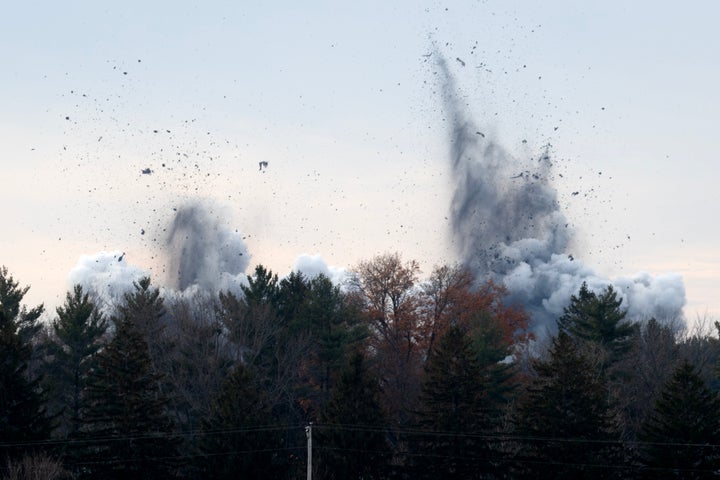
Near Middletown, Iowa, the controlled detonation of several tons of degraded lead azide is over, but unease remains among people living close to the Iowa Army Ammunition Plant. One local farmer said she felt relief once the blast concluded, yet she and her neighbors are pressing government officials for explanations about how the aging explosives stockpile became unstable in the first place.
What Happened
The U.S. Army carried out the detonation on Wednesday, November 25, 2026, at the Iowa Army Ammunition Plant. The material involved was roughly 68 barrels of lead azide, an obsolete explosive once used in military munitions. According to the Army, dangerous crystallization had made the stockpile unstable, creating a risk of spontaneous explosion. The blast had originally been announced for mid-November but was pushed back several days after environmental groups sought legal delays.
Residents reacted with a mix of fear and preparation. Some families left town for the Thanksgiving holiday, while others taped windows shut and brought pets indoors. After the explosion, the Environmental Protection Agency reported that its regional monitors detected no airborne lead from the blast. Initial laboratory tests on soil and water samples showed negligible contamination linked to the detonation, the agency said on Saturday.
Why This Matters
Lead exposure carries serious health risks, particularly for children, and medical experts stress that any amount of lead in the bloodstream can be harmful. In Iowa, concerns about cancer rates figured prominently in recent midterm elections, heightening local sensitivity to environmental hazards. Many residents say the government should be held accountable for allowing a decades-old stockpile to deteriorate to the point where an emergency detonation seemed necessary.
Iowa Senator-elect Josh Turek has publicly called for a full investigation into why the material degraded and why an in-place detonation became the chosen solution. Meanwhile, some residents are arranging independent testing of soil samples they collected before and after the blast.
Key Takeaways
- The Army detonated about 68 barrels of degraded lead azide at the Iowa Army Ammunition Plant on November 25, 2026.
- Early EPA monitoring found no detectable airborne lead from the explosion, and initial soil and water tests showed negligible contamination.
- The stockpile had been moved to Middletown in 2009, and some of it was already more than 60 years old at that time.
- Army officials said they identified dangerous crystallization in March but did not announce the detonation date until November 15.
- Several families evacuated ahead of the blast, while others remained and took precautions such as sealing windows.
- Local leaders, including Senator-elect Josh Turek, are demanding accountability and a formal investigation.
Conclusion
For now, official test results suggest the controlled detonation did not produce widespread lead contamination in the immediate area. But the event has left a lasting question for Middletown and surrounding communities: who is responsible for the condition of the stockpile, and what steps will prevent a similar situation in the future? Residents say they are not looking for blame alone—they want answers and assurance that their air, water, and land remain safe.
Discussion
Join the conversation
Thoughtful reactions, questions, and follow-up ideas help shape the next story.