Introduction
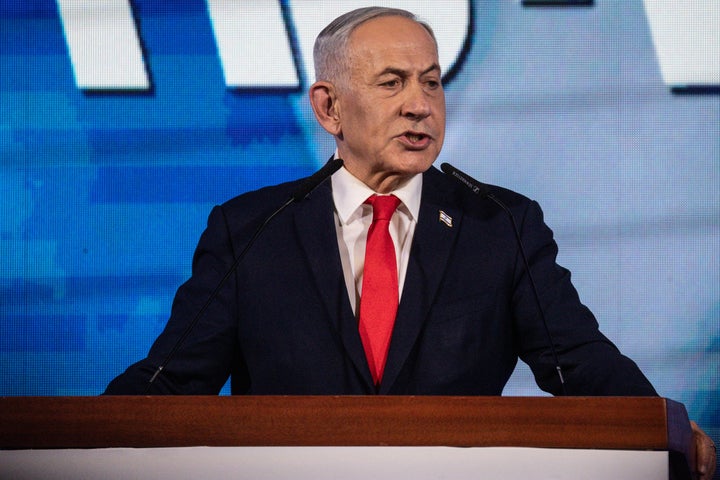
Israel's latest vote has produced a hung parliament, with Prime Minister Benjamin Netanyahu's bloc falling short of the majority needed to govern. The result thrusts the country into a familiar yet volatile phase of coalition negotiations, as parties with starkly different platforms must find common ground to secure a working majority in the Knesset.
What Happened
Official tallies released early Friday showed Netanyahu's alliance securing 53 seats, the main opposition coalition taking 48, and Arab-led parties winning 19 — a historic performance. With at least 61 of 120 Knesset seats required to form a government, the focus now shifts to President Isaac Herzog, who will oversee the mandate to build a coalition and has warned against another early election if negotiations stall.
Why This Matters
The election outcome has already sparked accusations and counter-claims. Netanyahu and his Likud party have repeated unsubstantiated allegations that Arab parties manipulated the vote, drawing rebukes from election officials and opposition figures. At the same time, the head of Israel's election commission has called for an investigation into alleged interference while affirming that final results remain unchanged. The coming weeks will test whether Israel can forge a stable government or face renewed political instability.
- Netanyahu's bloc: 53 seats
- Main opposition: 48 seats
- Arab-led parties: 19 seats, a historic result
- Threshold for government: 61 Knesset seats
Key Takeaways
Several dynamics will shape the next stage of Israeli politics. Herzog has pledged to exhaust all options to prevent a new vote, while opposition leaders weigh whether to join forces with Arab-led parties or continue negotiations with Netanyahu. Grassroots movements and public protests are already demanding Arab-Jewish cooperation, arguing that inclusive governance is vital for national cohesion. The mathematical reality is clear: any viable coalition must cross the 61-seat threshold.
- Herzog opposes another early election
- Opposition leaders weigh coalition options
- Pro-democracy rallies demand Arab-Jewish partnership
- Coalition math hinges on reaching 61 seats
Conclusion
Israel stands at a crossroads. The decisions made in the coming weeks will not only determine the composition of the next government but also set the tone for policy on security, civil rights, and international standing. Whatever path emerges, the nation's political trajectory will be closely watched at home and abroad as it navigates this pivotal moment.






Discussion
Join the conversation
Thoughtful reactions, questions, and follow-up ideas help shape the next story.