Introduction
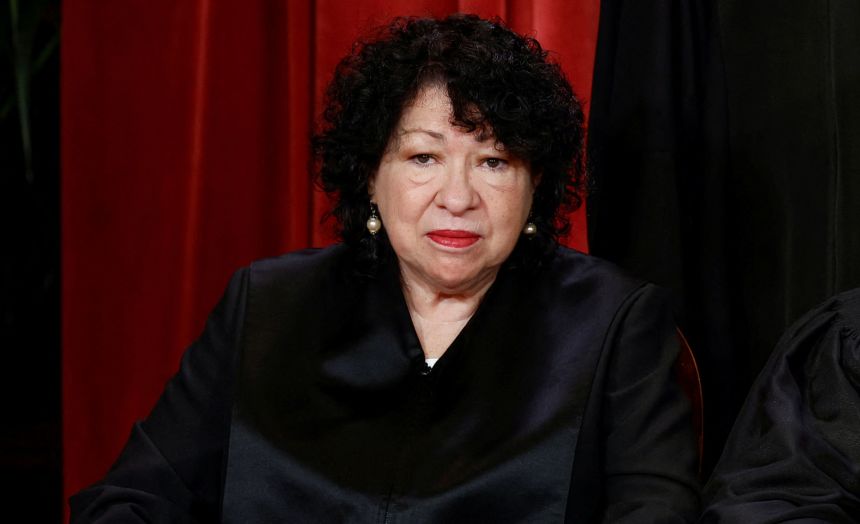
Supreme Court Associate Justice Sonia Sotomayor recently told a Philadelphia audience that she could support placing term limits on the nation’s highest court. Her remarks came at a gathering hosted by the American Philosophical Society, where the senior liberal justice moved beyond her earlier reluctance to weigh in, suggesting she would not oppose such a change. Her comments arrive as discussions about reshaping the federal judiciary gain renewed attention ahead of a shift in congressional leadership.
What Happened
During the forum, Sotomayor noted that many countries maintain politically insulated judiciaries without lifetime appointments. After initially declining to offer a position, she indicated she would not be unhappy with term limits. She described the proposal as an idea circulating actively in legal and political circles. The justice also referenced her 2024 remarks at the University of Zurich, where she suggested term limits could prevent any single ideological tilt from dominating the court for too long. At the same time, she raised a constitutional caveat, observing that federal judges are constitutionally promised life tenure in a way that may not be easily removed.
In response to a question from US Circuit Judge David Tatel about whether the court has lost something because most justices followed similar professional paths, Sotomayor agreed, saying they have forgotten that people sit at the center of every case.
Why This Matters
Public opinion polls have consistently shown broad backing for term limits across the political spectrum, yet the idea faces steep institutional hurdles. It remains uncertain whether Congress could impose limits through ordinary legislation or whether a constitutional amendment would be required. Even with Democratic control of Congress anticipated next year, the proposal is unlikely to advance in the Senate or earn support from President Donald Trump. Conservative voices, including Justice Samuel Alito, have warned that structural changes could threaten judicial independence, while reform advocates argue that no justice should hold such power for three or four decades.
Key Takeaways
- Justice Sonia Sotomayor said she would not be unhappy with Supreme Court term limits.
- She made the remarks at an American Philosophical Society event in Philadelphia.
- The justice previously raised the topic during a 2024 appearance in Zurich.
- She also cautioned that federal judicial life tenure may be constitutionally protected.
- Reform group Fix the Court welcomed her openness, citing strong public support for the idea.
- Major obstacles remain, including uncertainty over congressional authority and presidential opposition.
Conclusion
Sotomayor’s remarks do not guarantee legislative action, but they add a prominent voice to a debate that has simmered for years. By acknowledging both the appeal of term limits and the constitutional complications of ending life tenure, she has framed the issue as one worth serious consideration. Whether Congress acts will depend on shifting political dynamics and a clearer legal path forward.
Discussion
Join the conversation
Thoughtful reactions, questions, and follow-up ideas help shape the next story.