Introduction
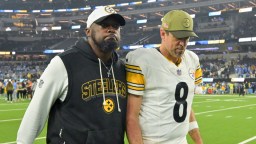
Pittsburgh Steelers head coach Mike Tomlin recently addressed a growing conflict involving quarterback Aaron Rodgers and head coach Mike McCarthy. Speaking during an NBC broadcast, Tomlin offered a candid assessment of the situation, describing it as a "dumpster fire" while emphasizing that his comment was not intended as a judgment.
What Happened
The drama became public after Aaron Rodgers shared details from inside a team meeting involving McCarthy. According to Rodgers, McCarthy arrived late to a quarterback session, fell asleep, and later left the room abruptly. Rodgers also described a halftime moment in which McCarthy reportedly ended a discussion by telling the group to break on "one, two, three Packers" before walking away.
Rodgers went on to say that he had encouraged McCarthy to build stronger relationships with defensive players, only to be told that such effort was unnecessary. These comments painted a picture of a fractured coaching dynamic and a locker room losing confidence in its leadership.
Why This Matters
Tomlin’s reaction carries weight because of his long tenure and reputation for steady leadership in the NFL. He told NBC that he was surprised by the public nature of the split between Rodgers and McCarthy, two figures he has known and respected for years.
More significantly, Tomlin pushed back against the idea of airing internal grievances in public. He explained his longstanding team philosophy: players and staff should bring problems only to people who can help solve them. Otherwise, he argued, the conversation becomes counterproductive and damages trust.
Key Takeaways
- Mike Tomlin called the Rodgers-McCarthy situation a "dumpster fire" during an NBC segment.
- Aaron Rodgers described McCarthy falling asleep in a meeting and dismissing defensive staff.
- Tomlin said he was surprised by the public rift between the quarterback and coach.
- The Steelers coach opposes discussing locker room problems with people who cannot help fix them.
- Tomlin acknowledged he has overseen difficult situations himself during his time in Pittsburgh.
Conclusion
By speaking out, Mike Tomlin added a veteran perspective to a story that has already dominated NFL conversation. His remarks highlight the tension between transparency and loyalty in professional sports, and they serve as a reminder that even successful organizations can struggle when communication breaks down behind closed doors.
Discussion
Join the conversation
Thoughtful reactions, questions, and follow-up ideas help shape the next story.