Introduction
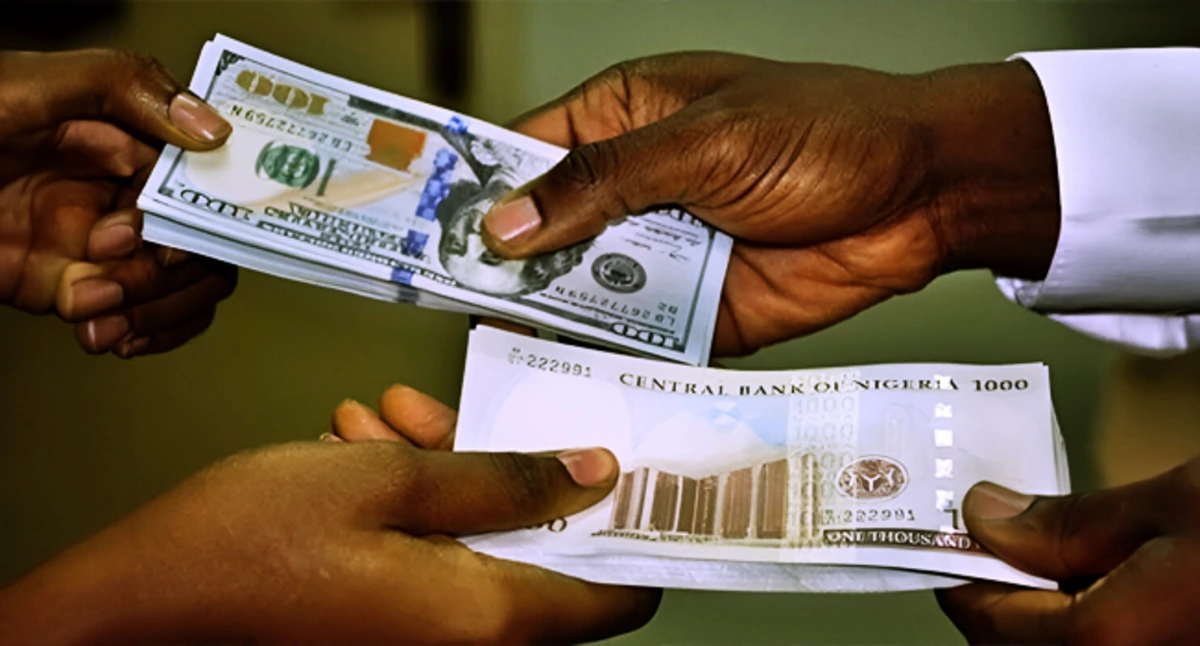
\nThe Nigerian naira strengthened significantly against the US dollar on Tuesday, posting its largest daily increase since August. The movement reflects renewed activity in Nigeria's foreign exchange market as reserve levels build.
\n\nWhat Happened
\nOn Tuesday, the naira closed at N1,357 per dollar at the official Nigerian Foreign Exchange Market, up N8 from the previous session's N1,365. The currency traded between N1,344 and N1,368.50 during the session, with the weighted average settling at N1,352.87. The gain reversed some of the losses seen earlier in October, including a dip to N1,370 on October 23.
\n- \n
- Session high: N1,368.50/$, low: N1,344/$, simple average: N1,355.83/$. \n
- Interbank turnover reached N543.74 million across 197 deals on Tuesday. \n
- Parallel market rates held between N1,380 and N1,385 per dollar, a modest improvement from Monday's N1,385. \n
Why This Matters
\nForeign reserves crossed $55 billion, reaching their highest level in over 18 years and exceeding the CBN's $51.04 billion projection for end-2026. While higher reserves typically support exchange rate stability, naira movements remain closely tied to foreign exchange supply and demand conditions. The persistent gap between official and parallel market rates continues to influence trader sentiment.
\n\nKey Takeaways
\n- \n
- The naira gained N8 on Tuesday, its biggest daily rise since August, closing at N1,357/$. \n
- Foreign reserves surpassed $55 billion, the strongest position in more than 18 years. \n
- Parallel market rates improved modestly, but the official-parallel gap remains significant. \n
- Interbank activity totaled N543.74 million in 197 deals, reflecting sustained trading volume. \n
- Corporate earnings showed strength, with Honeywell Flour Mills reporting a 1,115% profit jump and MTN Nigeria's nine-month pre-tax profit rising 59.4% to N1.80 trillion. \n
Conclusion
\nThe naira's sharp daily gain underscores the dynamic nature of Nigeria's foreign exchange market as reserve levels climb and trading patterns shift. Stakeholders will be watching whether this momentum holds in coming sessions, particularly as the gap between official and parallel rates persists and foreign reserve trends evolve.





Discussion
Join the conversation
Thoughtful reactions, questions, and follow-up ideas help shape the next story.