Introduction
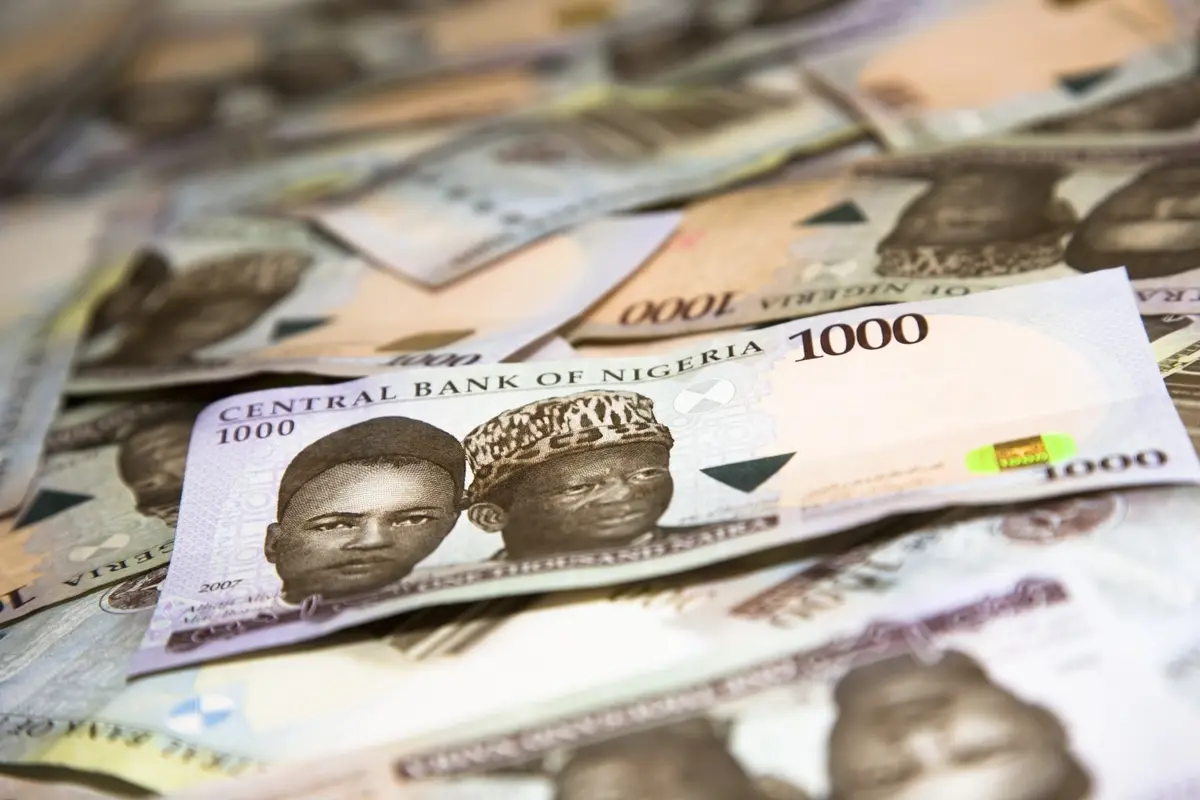
The Nigerian naira demonstrated notable resilience during the second quarter of 2026, recording just 2.6% maximum depreciation despite widespread exchange rate pressures across Africa. The World Bank's October 2026 Africa Economic Update highlights how the currency outperformed many peers amid global market turbulence.
What Happened
Between March and June 2026, the naira's value shifted minimally compared to 22 other African currencies tracked by the World Bank. While seven currencies, including Ghana's cedi and the South African rand, depreciated by more than 5%, the naira capped its losses at 2.6%. The report attributes broad pressures to higher energy prices, geopolitical uncertainty, capital outflows, and stronger dollar demand, but notes that impact varied significantly across economies.
Why This Matters
Currency stability directly affects inflation, import costs, and fiscal health, especially for nations with dollar-denominated debt. The naira's relatively modest depreciation was supported by Nigeria's position as a major crude oil exporter, which boosted foreign exchange inflows when global oil prices rose. The World Bank also notes that stronger export earnings helped cushion the currency, while energy-importing nations faced heightened pressure from increased import bills.
Key Takeaways
- The naira's Q2 2026 maximum depreciation of 2.6% placed it among the better-performing currencies in the World Bank assessment.
- Seven of 22 monitored currencies lost more than 5% of value, with Ghana's cedi declining as much as 10%.
- Nigeria's oil export revenue played a key role in limiting naira depreciation during the quarter.
- By August 2026, the naira had recovered part of its earlier losses, strengthening to below N1,370 per dollar from March's N1,425 level.
- Only 10 of 22 tracked currencies remained weaker than their February positions by the end of August, with Nigeria and Angola benefiting from stronger crude oil receipts.
Conclusion
The naira's performance in Q2 2026 underscores how export-driven economies can better withstand external shocks, even as broader African currency markets faced significant pressure. The World Bank's projection of stronger Nigerian growth—4.3% in 2026 and 4.4% annually through 2027–2028—further supports the outlook for continued currency stability, provided external conditions remain favorable.



Discussion
Join the conversation
Thoughtful reactions, questions, and follow-up ideas help shape the next story.