Introduction
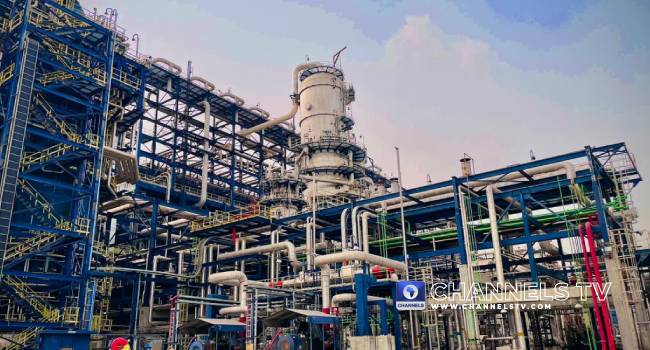
Nigeria's federal government acknowledges its crude oil output falls short of feeding the Dangote Refinery, according to Finance Minister Taiwo Oyedele. The statement underscores a growing gap between local production and refinery demand.
What Happened
Oyedele explained that Nigeria produces about 1.8 million barrels of crude daily, but a significant portion is allocated to production sharing contracts, joint venture costs, and royalties. After these deductions, the country has less than 700,000 barrels available to distribute, including to the Dangote Refinery. He emphasized that the reality today is Nigeria does not have up to 700,000 free barrels to give away.
Why This Matters
The shortfall forces the refinery to import crude, undermining the goal of local refining and self-sufficiency. It also fuels debates over fuel subsidy removal, price controls, and the viability of production subsidies for local refineries. With fuel prices already rising to around N1,400 per litre, the crude shortage adds pressure on Nigeria's energy economy and consumer costs.
Key Takeaways
- Nigeria's daily crude production of 1.8 million barrels is largely allocated to contractual obligations, leaving under 700,000 barrels free.
- The Dangote Refinery must import crude due to the domestic shortfall.
- Government initiatives like Naira for Crude aim to stabilize supply as production ramps up.
- Policymakers and opposition figures remain divided on fuel subsidy returns and production incentives.
- Long-term goals include refining all domestic crude locally and exporting refined products instead.
Conclusion
Oyedele's remarks highlight a critical production gap that affects Nigeria's largest refinery and its energy strategy. As the government pushes to increase output and stabilize markets, the immediate reality is that local crude must be supplemented by imports to keep the Dangote Refinery running. The coming months will show whether increased production can close the gap and deliver on the vision of a fully self-sufficient Nigerian refining sector.






Discussion
Join the conversation
Thoughtful reactions, questions, and follow-up ideas help shape the next story.