Introduction
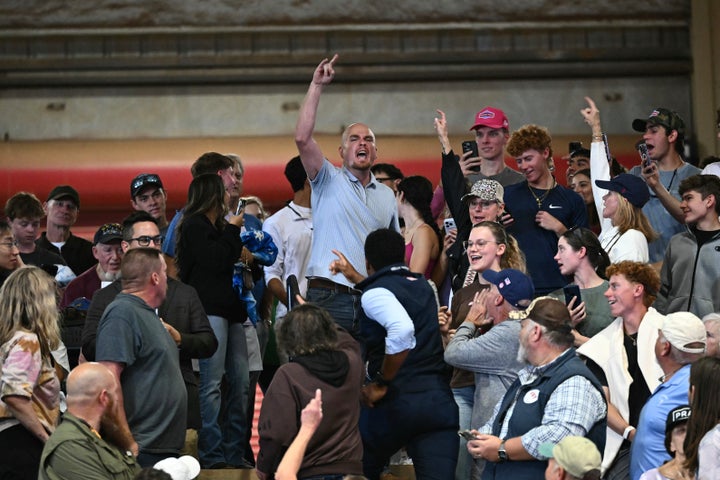
Anti-Trump protesters disrupted a campaign rally in Pendleton, South Carolina, drawing the president's ire and sparking tense moments captured on video and shared nationwide. Five individuals stood up against Donald Trump's speech, each facing removal by security while the president publicly praised the altercations.
What Happened
Matthew McDaniel, Heather Foy, Cody Dean, Alan Buckalew, and Layden Duncan each interrupted Trump's speech at a rodeo arena in Pendleton, South Carolina. McDaniel shouted 'You're the criminal!' after Trump's immigration remarks and was punched, knocked to the ground, with Trump later calling the moment 'incredible' and mimicking a boxing punch. Foy, wearing a blond wig and cross necklace to blend in, screamed 'Release the Epstein files' before being dragged out; her wig was ripped off and her necklace broken. Dean yelled 'What do you know about respect?' as security removed him. Buckalew, a veteran and statehouse candidate, shouted about Ukraine-Russia alignment before being escorted out. Duncan, 20, called Trump a 'fascist' and 'pedophile' and was shoved from the stands, struck on the head by an older rallygoer, and hospitalized with blunt force trauma and ruptured blood vessels.
Why This Matters
The rally highlighted how the president's rhetoric can embolden violence, with Trump publicly praising the physical altercations and making personal jabs at protesters. Critics argue the atmosphere encouraged aggression, while the incidents raise questions about security protocols and the safety of those who challenge a sitting president. McDaniel reflected on hearing the president describe his assault as 'the first time Trump told the truth,' while Foy emphasized she acted to honor survivors of sexual violence, and both women stressed their actions were independent, not paid or organized.
Key Takeaways
- Five protesters disrupted the rally with distinct messages, from immigration criticism to demands for Epstein file disclosure.
- Trump publicly praised the violence, mocked one protester's appearance, and encouraged the crowd's hostile response.
- Three of the five reported being physically confronted by rallygoers or security, with one sustaining injuries requiring hospital treatment.
- Protesters emphasized they acted alone, paid nothing, and were motivated by personal conviction, not organized groups.
- The events underscore the volatile atmosphere at recent campaign rallies and the risks faced by vocal dissent.
Conclusion
The Pendleton rally will be remembered not just for the president's remarks, but for the courage and cost of those who chose to speak truth to power in real time. Their stories reflect a broader tension in American politics, where dissent meets a hostile, often violent, reception.




Discussion
Join the conversation
Thoughtful reactions, questions, and follow-up ideas help shape the next story.