Introduction
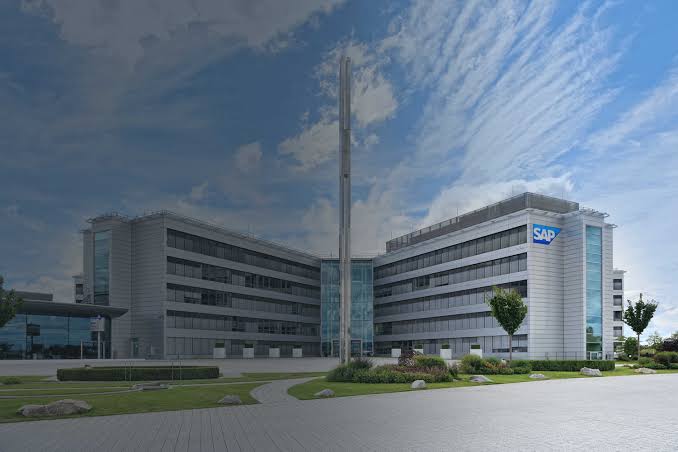
SAP SE, Europe's largest enterprise software provider, is preparing to reduce its global headcount by at least 10,000 positions. The move is part of a sweeping restructuring designed to embed artificial intelligence more deeply into its products and internal operations. While the company has acknowledged an organizational review, it has not confirmed specific layoff figures, and final decisions remain subject to discussions with employee representatives.
What Happened
According to reporting from Bloomberg, the proposed cuts would touch at least 9% of SAP's worldwide workforce. The exact number could shift as negotiations with labour groups proceed. SAP's leadership, under Chief Executive Officer Christian Klein, is pushing the company toward an AI-first operating model, which involves weaving AI tools across its application portfolio and rethinking how software is developed, marketed, and sold.
As part of the review, various departments have been instructed to find cost-saving opportunities, with product development, engineering, and sales teams under particular scrutiny. The company is also experiencing leadership turnover, with two members of its six-person executive board expected to depart in March. These changes follow earlier difficulties in launching AI products and are intended to speed up SAP's broader artificial intelligence strategy.
This would not be SAP's first large-scale reduction. In 2024, the company eliminated roughly 10,000 roles at a cost of about €3 billion, or $3.3 billion. That process lasted more than a year and relied mainly on voluntary exits and retraining rather than forced layoffs, allowing SAP to hire for new positions even as it cut others. SAP currently employs more than 110,000 people around the world.
Why This Matters
The scale of the proposed reduction underscores how seriously established software vendors are treating the AI transition. For a company of SAP's size, shedding 10,000 roles represents a major shift in resource allocation, signaling that investment will flow toward artificial intelligence initiatives at the expense of traditional areas.
The announcement also fits a wider pattern across the technology sector. Other major firms have recently announced similar actions: Microsoft offered voluntary buyouts to 60,000 employees, Oracle reduced its global workforce by roughly 21,000 positions, and Meta began cutting 8,000 jobs as it redirected funding toward AI infrastructure and product development. Together, these moves suggest that AI adoption is reshaping staffing needs across enterprise technology.
Key Takeaways
- SAP plans to cut at least 10,000 jobs globally, affecting about 9% of its workforce.
- The restructuring supports CEO Christian Klein's goal of becoming an AI-first software company.
- Product development, engineering, and sales are among the areas being reviewed for cost reductions.
- Two of SAP's six executive board members are expected to leave in March.
- A similar 2024 restructuring cost approximately €3 billion and relied heavily on voluntary departures.
- SAP employs more than 110,000 people worldwide.
- Microsoft, Oracle, and Meta have also announced significant job cuts tied to AI investment.
Conclusion
SAP's proposed job cuts highlight the growing pressure on legacy software companies to reinvent themselves around artificial intelligence. Although the final number of layoffs has not been settled and could change after labour negotiations, the direction is clear: resources are being reallocated toward AI-driven products and operations. For employees, investors, and customers, the coming months will reveal how deeply this restructuring alters one of Europe's most important technology firms.
Discussion
Join the conversation
Thoughtful reactions, questions, and follow-up ideas help shape the next story.