Introduction
A second federal judge has stepped in to stop work on President Donald Trump's proposed triumphal arch near Washington, D.C. In a hearing in Alexandria, Virginia, U.S. District Judge Leonie Brinkema signaled she would issue a preliminary injunction halting construction, describing the federal review as rushed and legally unsupported. The decision adds to a growing list of judicial setbacks for the administration's building ambitions in the nation's capital.
What Happened
Judge Brinkema cited multiple flaws in the government's environmental and economic analysis of the arch project. She specifically noted that officials failed to adequately explain how the structure would affect nearby Reagan Washington National Airport. The proposed 250-foot arch would sit roughly 3,000 feet from the airport, directly inside its primary approach and departure corridor, a fact that has drawn concern from aviation experts.
The judge also rejected the administration's reliance on a 1925 statute as evidence of congressional authorization, telling government lawyers that the argument damaged their credibility and that the project lacks approval from Congress. Earlier in November, another federal judge, Tanya Chutkan of Washington, D.C., had already issued a separate order temporarily blocking construction of the same arch near Arlington National Cemetery.
The Federal Aviation Administration previously determined in September that the arch would not endanger aircraft, but it imposed conditions, including an eternal flame on top, a navigation light, and floodlight projectors to make the structure visible to pilots. The White House and FAA did not offer immediate comment on the latest ruling.
Why This Matters
The ruling underscores the limits of executive power when it comes to major construction projects in the capital. By blocking the arch twice, federal judges have signaled that the administration cannot bypass standard environmental review or congressional oversight simply because a project carries presidential backing.
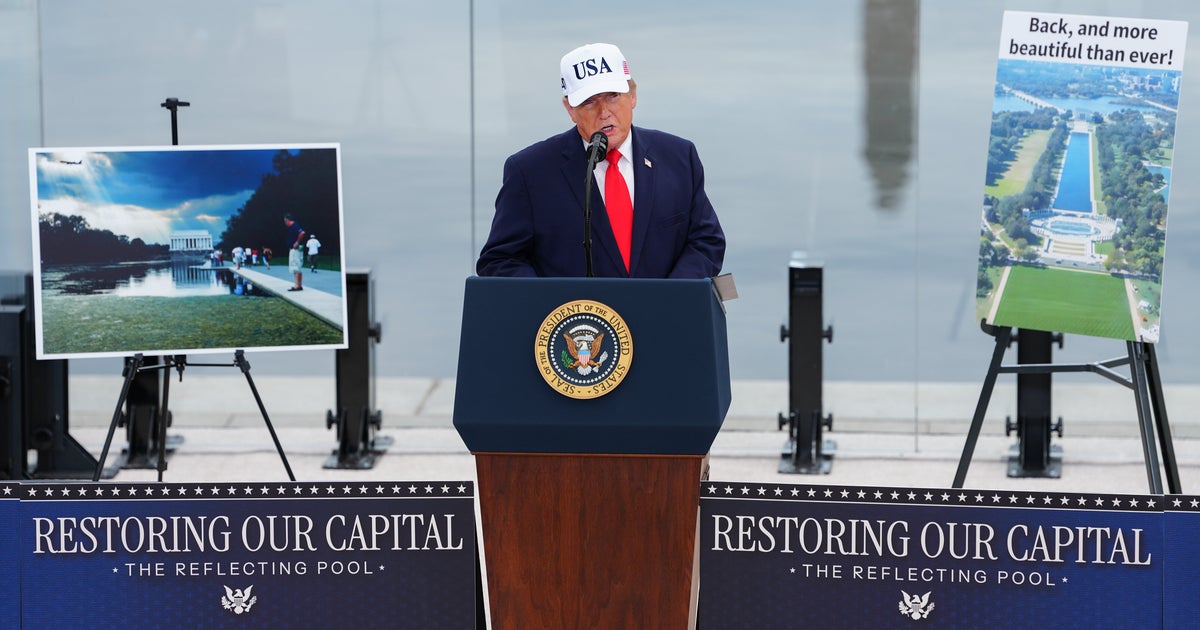
It also highlights ongoing safety questions. Placing a large monument within a busy airport's flight corridor introduces potential risks for pilots and passengers, and the court found that the government had not sufficiently studied those dangers. For Trump, the injunction represents another obstacle in a broader effort to reshape Washington's landscape during his second term, an effort that has already faced legal resistance over a White House ballroom, upgrades to the Lincoln Memorial Reflecting Pool, and a proposed golf course near the executive mansion.
Key Takeaways
- A Virginia federal judge plans to issue a preliminary injunction blocking construction of Trump's proposed triumphal arch.
- The court criticized the rushed federal review and found insufficient analysis of the arch's impact on Reagan National Airport.
- Judge Leonie Brinkema rejected the claim that a 1925 statute amounts to congressional approval for the project.
- A separate ruling by Judge Tanya Chutkan previously halted construction of the 250-foot arch near Arlington National Cemetery.
- The FAA required aviation safety measures, including an eternal flame, navigation lighting, and floodlights, but did not comment on the injunction.
- The decision is part of a wider pattern of judicial pushback against Trump administration construction projects in Washington, D.C.
Conclusion
With two federal judges now blocking the arch, the project's future remains uncertain. The administration will need to address serious legal and safety concerns before construction can move forward, if it moves forward at all. For now, the proposed monument stands as a symbol of how quickly presidential initiatives can collide with the courts when environmental review, congressional authority, and aviation safety are at stake.
Discussion
Join the conversation
Thoughtful reactions, questions, and follow-up ideas help shape the next story.