
Introduction
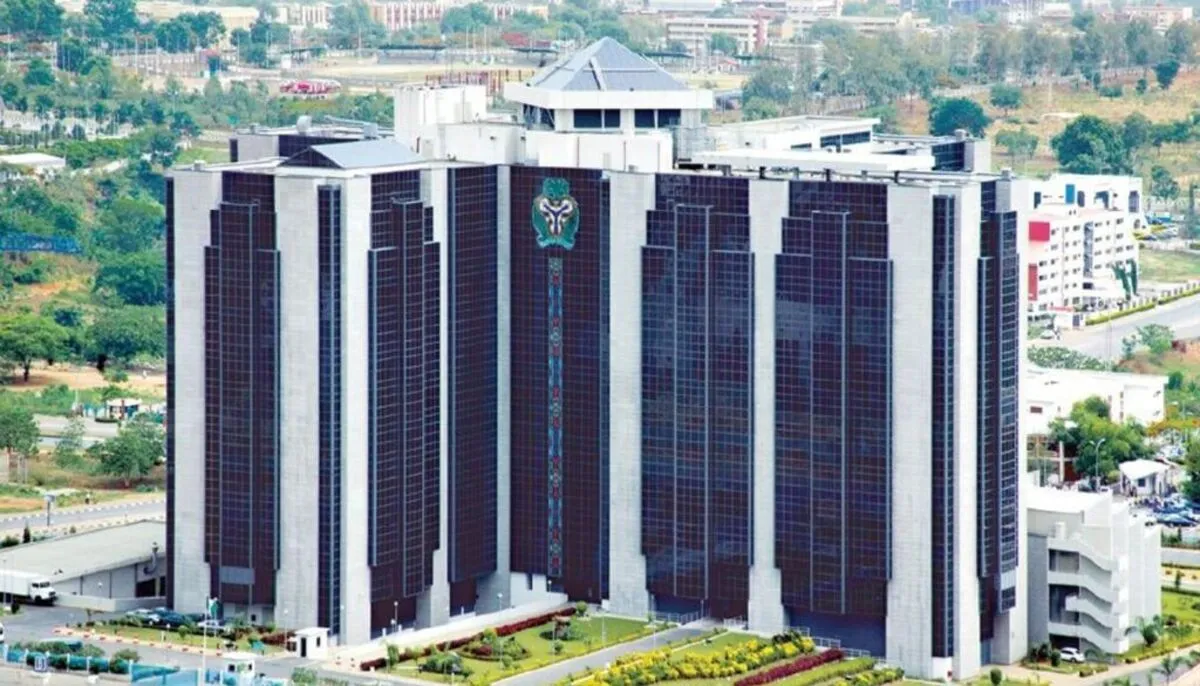
The Socio-Economic Rights and Accountability Project (SERAP) has set a seven-day deadline for the Independent National Electoral Commission (INEC) to explain the spending of over ₦126.46 billion in electoral funds flagged by the Auditor-General of the Federation. The demand highlights growing concerns about transparency in how public resources are managed during election cycles.
What Happened
According to a 2023 audited report published on August 7, 2026, the Auditor-General identified more than ₦126.46 billion in electoral spending that lacked proper procurement procedures and whose delivery could not be verified. The funds allegedly covered the procurement of ballot boxes, electoral devices, sensitive materials, result sheets, vehicles, and other assets essential to election administration. SERAP's statement, issued by Deputy Director Kolawole Oluwadare, emphasized that the affected payments were made without transparent processes and that evidence of goods and services delivered remains absent. The organisation also urged INEC Chairman Professor Joash Ojo Amupitan to refer the alleged financial irregularities to the Economic and Financial Crimes Commission (EFCC) and the Independent Corrupt Practices and Other Related Offences Commission (ICPC) for investigation, prosecution, and recovery of public funds where wrongdoing is established.
Why This Matters
Electoral integrity depends not only on the credibility of voting and results but also on the transparency of the resources that make elections possible. When billions of naira are spent without clear procurement chains or verifiable delivery, the foundation of public trust erodes. The Auditor-General's findings, including ₦112.15 billion flagged for ballot-box purchases without competitive bidding or required certification, highlight systemic risks that could undermine confidence in election outcomes and expose the system to abuse.
Key Takeaways
- SERAP has given INEC seven days to account for ₦126.46 billion in electoral funds under audit review.
- The funds were flagged by the Auditor-General of the Federation following findings in the 2023 audited report.
- Alleged irregularities include payments made without proper procurement procedures and unverified delivery of election materials.
- Items mentioned include ballot boxes, electoral devices, result sheets, vehicles, and other election administration assets.
- SERAP has demanded disclosure of amounts paid, beneficiaries, contracts and procurement processes, contractors and suppliers, and evidence of delivery and current status.
- The organisation has also petitioned INEC's leadership to escalate the matter to the EFCC and ICPC for further investigation and potential prosecution.
- A separate audit flag over ₦112.15 billion for ballot-box purchases lacking competitive bidding and a Bureau of Public Procurement certificate of no objection.
Conclusion
The seven-day ultimatum from SERAP puts INEC under immediate pressure to demonstrate fiscal transparency and procedural compliance in one of the most sensitive aspects of Nigeria's democratic exercise. How the commission responds will likely shape public confidence in the integrity of future elections and set a precedent for accountability in the management of public funds dedicated to electoral processes.

Discussion
Join the conversation
Thoughtful reactions, questions, and follow-up ideas help shape the next story.