Introduction
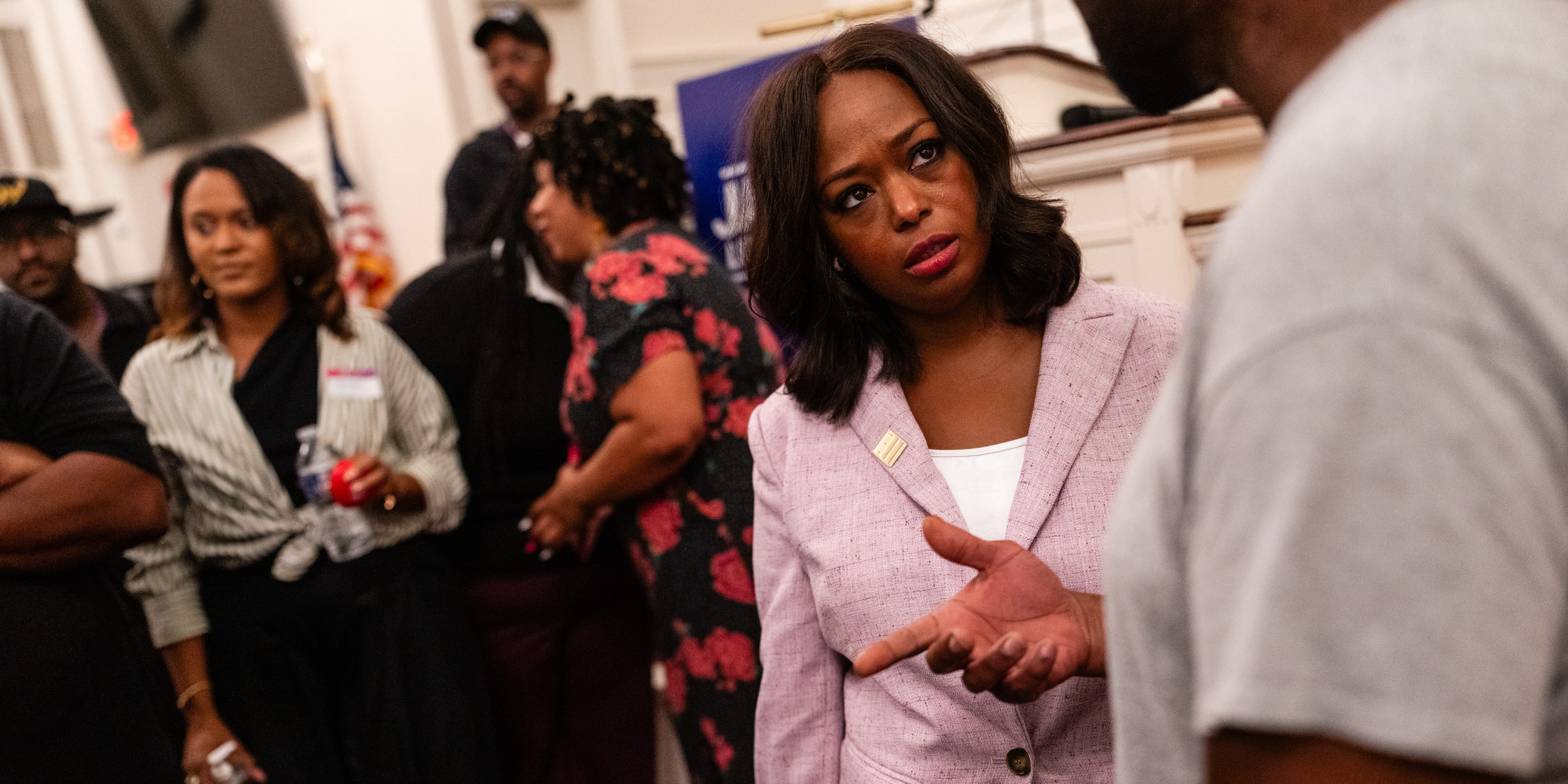
Janeese Lewis George is set to make history as a socialist mayor in a city where federal power looms large. Her victory reflects a broader surge of democratic socialism across U.S. cities, but governing the nation capital comes with constraints unseen in Los Angeles or New York.
What Happened
Lewis George, a current DC councilmember and longtime organizer, ran on a platform of affordability, stronger tenant protections, expanded childcare access, and zoning reform. She unseated established rivals by mobilizing around issues that directly impact everyday residents, from housing costs to immigration enforcement. Her win joins a growing class of socialist local executives, though her path differs because DC operates under federal jurisdiction, subject to congressional override and presidential influence.
Unlike peers in other major metros, Lewis George will lead a city where Congress holds a 30- to 60-day review window over local legislation. If lawmakers disapprove, they can pass a joint resolution to block it, sending it to the president for final sign-or-veto. This structural reality shapes every policy push from day one.
Why This Matters
The stakes are high. Lewis George campaigned on stronger rent safeguards, increased investment in public childcare, and progressive tax measures targeting the wealthiest city residents. Navigating a federal landscape that can veto local decisions is required. The district is hamstrung by a required balanced budget and a projected $1.1 billion shortfall, further complicated by federal oversight. Voters interviewed by The Intercept cited affordability, ICE activity near schools, and a desire for leadership prioritizing residents over political inertia as key motivators.
Her commitment to hiring more police, a shift from her earlier defund-the-police stance, also illustrates the pragmatic compromises socialist officials often face when governing under pressure. Meanwhile, groups like the ACLU are urging the new mayor to champion legislation protecting residents from constitutional violations, especially regarding immigration enforcement.
Key Takeaways
- Lewis George becomes one of the first socialist mayors to lead a city under direct federal oversight.
- DCs unique political status means every local bill faces a congressional review period that can override voter-backed measures.
- Core campaign promises: housing, childcare, zoning depend on securing council support and withstanding federal pressure.
- A record wave of socialist victories nationwide signals voter appetite for bold, resident-focused leadership.
- Organizing and public pressure will be essential to translate campaign promises into lasting policy.
Conclusion
Janeese Lewis Georges path encapsulates the tension between progressive ambition and federal constraint in American local politics. Her success will depend on her ability to build coalitions, leverage public pressure, and keep DC residents at the center of every decision. As socialist momentum grows across the country, her experience may offer a blueprint for how local leaders can govern boldly while navigating an unpredictable higher power.
Discussion
Join the conversation
Thoughtful reactions, questions, and follow-up ideas help shape the next story.