Introduction
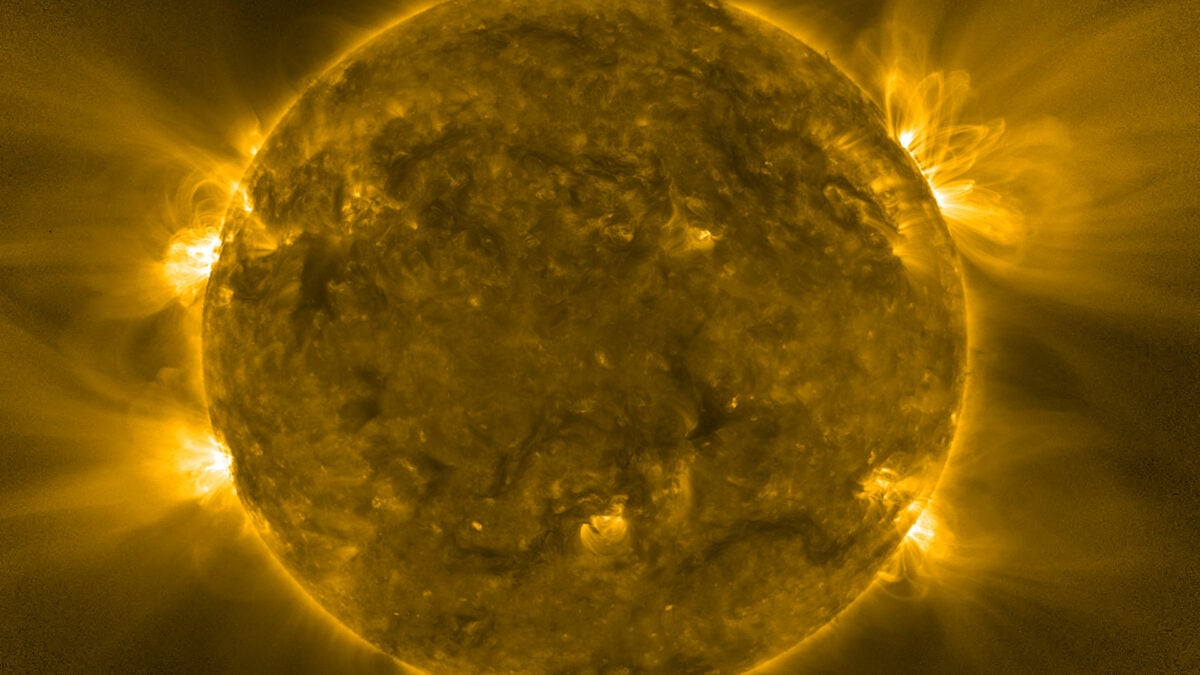
A new study published in Nature Astronomy has finally located where mysterious S-shaped kinks in the solar wind originate, solving a long-standing puzzle about solar dynamics. Using data from the Solar Orbiter mission, researchers traced these structures back to the Sun's surface, offering fresh insight into how our star generates the solar wind and drives space weather.
What Happened
In 2022, the Solar Orbiter spacecraft intercepted an unusual stream of charged particles shaped like an S as it streamed away from the Sun. These so-called switchbacks had been detected before, but their exact birthplace remained unknown. By scrutinizing the particle composition with the mission’s Solar Wind Analyser instrument, the team identified a distinctive blend of oxygen and carbon ions that revealed the kink’s solar origin.
Why This Matters
Switchbacks are more than visual curiosities; they are signposts of the Sun’s complex magnetic behavior. The discovery shows how the Sun heats its outer atmosphere and accelerates particles into space—processes that directly influence the intensity of solar storms. With this knowledge, scientists can improve forecasts of extreme space weather that threaten satellites, power grids, and communications systems on Earth.
Key Takeaways
- The Solar Orbiter traced the switchback to magnetic reconnection events near the Sun’s surface.
- A specific blend of oxygen and carbon ions served as a 'smoking gun' for a process called interchange reconnection.
- This mechanism allows trapped plasma to escape along open magnetic field lines, fueling the solar wind.
- The discovery provides a new way to read the history of solar wind particles and anticipate space weather impacts.
Conclusion
Understanding the origin of these S-shaped solar kinks marks a significant step toward decoding the Sun’s magnetic behavior. As society becomes increasingly dependent on space-based technology, insights from Solar Orbiter will help safeguard satellites and power systems against the Sun’s most disruptive outbursts. The mission continues to bridge the gap between distant stellar processes and life here on Earth.







Discussion
Join the conversation
Thoughtful reactions, questions, and follow-up ideas help shape the next story.