Introduction
When SpaceX's Starship streaks through the atmosphere, its black hexagonal tiles spark a familiar anxiety: can a heat shield survive re-entry twice, let alone many times? The question isn't new. Nearly a quarter-century ago, the Space Shuttle Columbia broke apart over Texas, killing seven astronauts and exposing fundamental flaws in how reusable vehicles protect themselves from the heat of return. Starship's design choices echo those early lessons, even as the vehicle pushes toward a turnaround speed no orbiting fleet has ever achieved.
What Happened
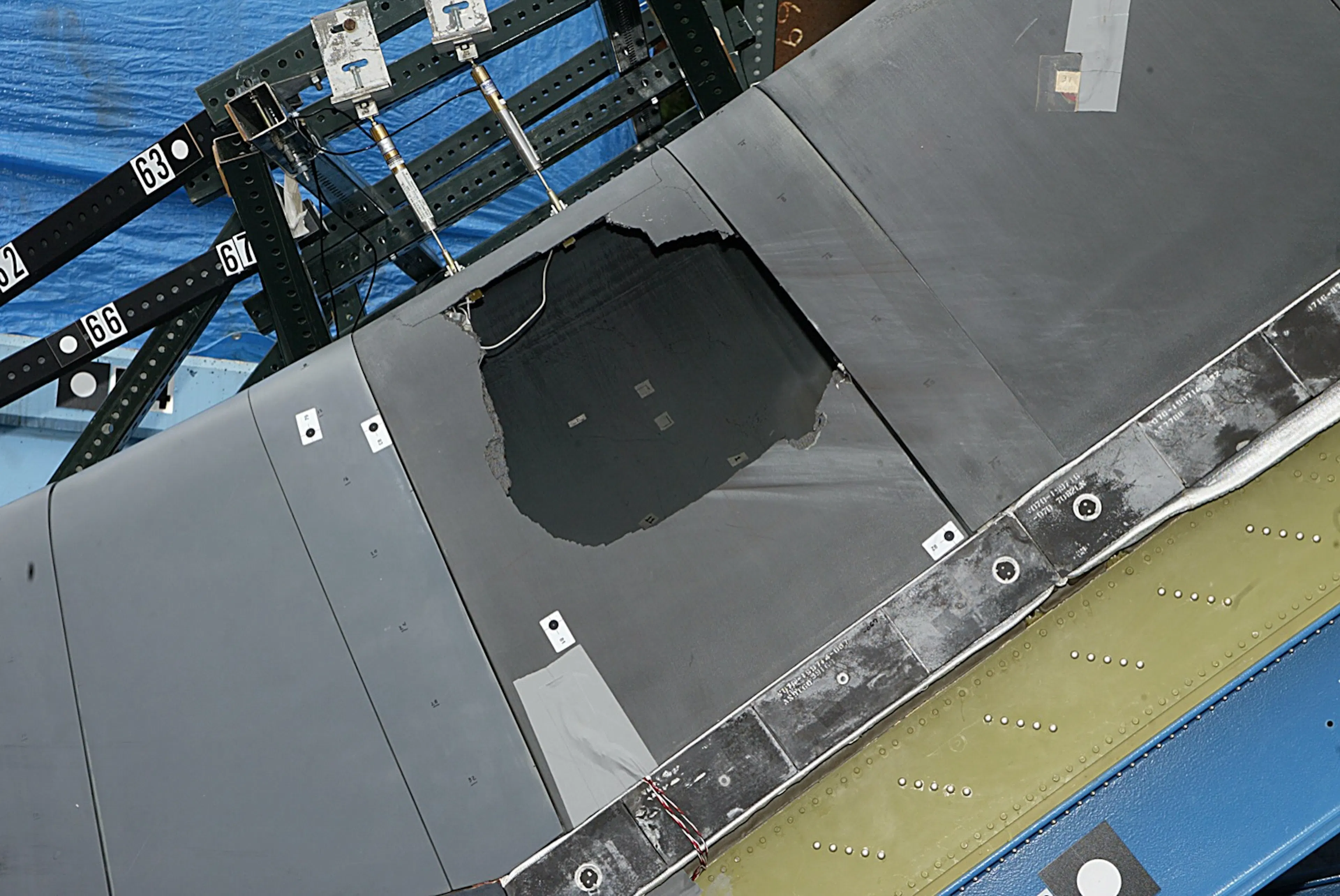
The loss of STS-107 on February 1, 2003, began with a piece of foam the size of a briefcase, shedding from the External Tank just over a minute after liftoff. That debris struck the left wing's leading edge, damaging a Reinforced Carbon-Carbon panel. During re-entry, superheated gas entered the breach, melted through the wing's aluminum structure, and tore the vehicle apart. The Columbia Accident Investigation Board later identified a culture of "normalization of deviance" — repeated minor foam losses accepted as routine, until the one that mattered came home at 18 times the speed of sound.
In the years since, every reusable heat shield has been measured against Columbia's shadow. The Shuttle's tiled belly, the pinned tiles of early Starship prototypes, and the steel hull beneath it all carry the weight of that February morning.
Why This Matters
Thermal protection is the single greatest barrier to rapid reusability. A heat shield that must be replaced or extensively repaired after every flight defeats the economics of a fully reusable vehicle. The Shuttle proved that a heat shield could survive multiple missions — 135 flights across five orbiters — but each landing required months of inspection, tile replacement, and refurbishment. The typical turnaround stretched to months, not hours.
Starship takes a different path. Stainless steel beneath the tiles tolerates far more heat than the Shuttle's aluminum airframe, pinned attachment replaces glue, and a secondary ablative layer stands ready if a tile is lost. The goal is an airliner-like cadence: land, refuel, fly again. Whether that goal is achievable remains the central question of the program.
Key Takeaways
- Material shift: Starship's stainless steel hull withstands hundreds of degrees more than the Shuttle's aluminum, changing the failure profile from catastrophic to degraded.
- Tile design: Nearly 18,000 hexagonal ceramic tiles cover the windward side, standardized for mass production, clipped onto welded studs rather than glued to a felt pad.
- Fail-safe layer: A secondary ablative material protects the steel if a tile is missing, a capability the Shuttle never had.
- Edge cases: Hinges, joints, and curved transitions remain the hardest spots, where hot gas finds gaps just as it did on Columbia.
- Reusability gap: No Starship has yet flown twice intact. The Shuttle's 135-mission record stands, but its turnaround cost the economy of rapid reuse.
Conclusion
Columbia's legacy is not just a tragedy — it's a classroom. Starship's heat shield has learned from the Shuttle's mistakes, trading glued tiles for pinned ones, steel for aluminum, and inspection-heavy turnarounds for mechanical swaps. But the hardest test has not yet been flown: a heat shield that comes back from orbit, gets a quick look, and launches again the next day. Until then, every re-entry will carry the ghost of Columbia, and every engineer listening will remember the seven names that broke apart over Texas.


Discussion
Join the conversation
Thoughtful reactions, questions, and follow-up ideas help shape the next story.