Introduction
The Dangote Group's H1 2026 Economic Report highlights how macroeconomic headwinds are reshaping Africa's financial landscape. A strong US dollar, elevated global interest rates, and mounting external debt are combining to pressure currencies and constrain development budgets across the continent.
What Happened
According to the report, tight external financing conditions are a major constraint on Africa's economic outlook. Countries burdened with heavy external debt and significant energy import bills face mounting pressure on their currencies, public finances, and household incomes. The report notes that the combination of a firm dollar, high global interest rates, and heavy external debt creates a difficult financing environment for African economies. It also projects Nigeria's naira at N1,330 per dollar by year-end and an average of N1,385 per dollar for 2026. Growth patterns vary, with West and East Africa outperforming southern Africa, while South Africa remains the weakest major economy due to persistent electricity and logistics bottlenecks.
Why This Matters
The report warns that structural constraints from a firm dollar, high rates, and heavy debt strain currencies and crowd out development spending. Energy-importing nations with heavy external debt are particularly vulnerable, while energy exporters with credible macro policies can benefit from improved trade balances and rebuild financial buffers. Currency movements diverge across the continent - Ghana's cedi depreciated about 11%, and South Africa's rand remained broadly flat, reflecting differences in external positions and policy credibility. Commodity price shifts further widen the economic divide, with oil and gas exporters benefiting from higher receipts, while energy importers face elevated fuel and fertilizer costs, contributing to inflation and reduced purchasing power.
Key Takeaways
- A strong dollar, high interest rates, and heavy external debt are the primary headwinds for African currencies and development spending.
- Countries exporting energy and maintaining credible macro policies are better positioned to withstand external pressures.
- Energy-importing nations with significant debt face compounded vulnerabilities in both currency and budget stability.
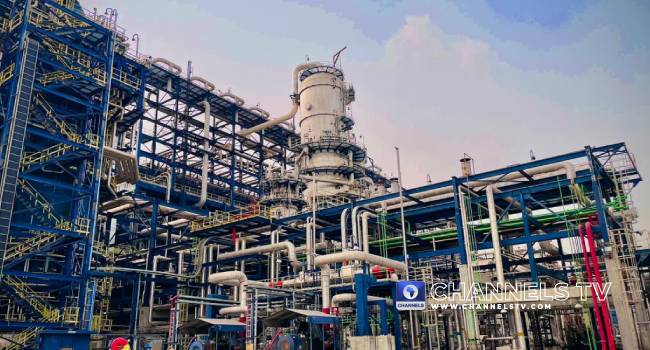
- The Dangote Petroleum Refinery supplied approximately 50 million litres of petrol daily to Nigeria's domestic market in H1 2026, with April reaching a record 56 million litres.
- Africa's economic outlook remains resilient in H2 2026, supported by the African Continental Free Trade Area, expanding trade access to China, and renewed engagement with Europe.
Conclusion
Despite significant financing challenges, the Dangote Group expects African economic growth to remain resilient through the second half of 2026, led by West and East African economies. The report underscores that individual country outcomes will depend heavily on what each nation exports and the credibility of its macroeconomic policies. For policymakers, rebuilding buffers, diversifying export exposure, and maintaining policy credibility are critical steps to mitigating external shocks and sustaining development momentum.




Discussion
Join the conversation
Thoughtful reactions, questions, and follow-up ideas help shape the next story.