Introduction
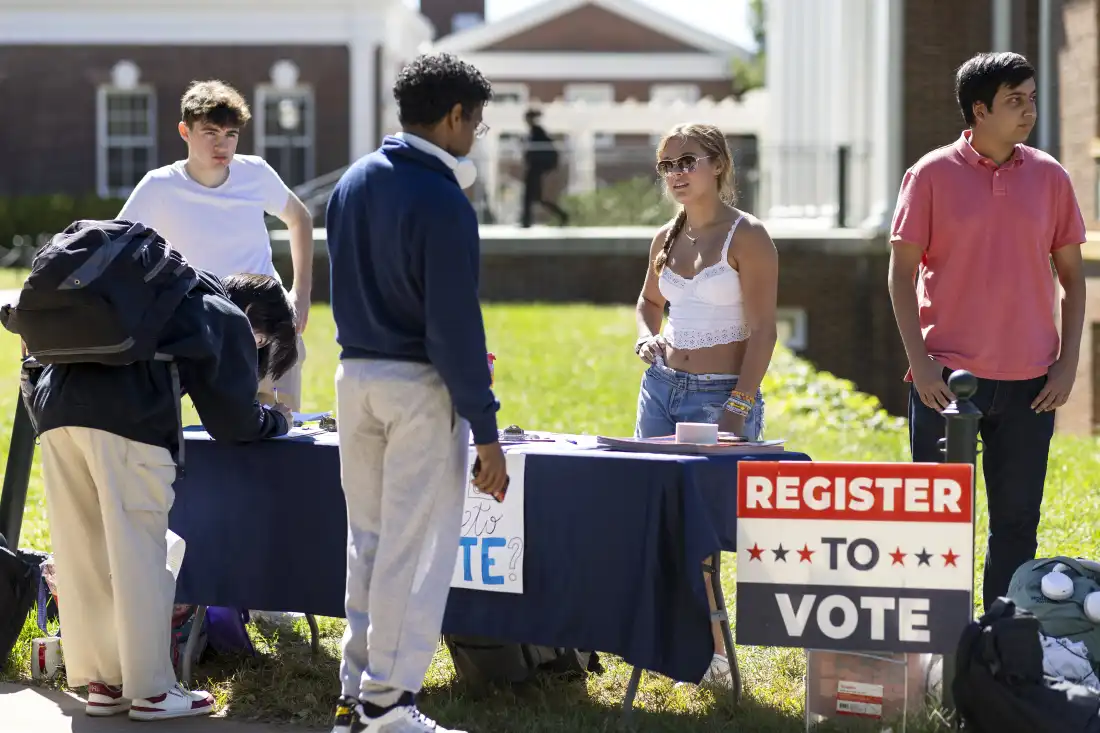
Every election cycle, millions of college students confront a fundamental question: where should they register to vote? A 1979 Supreme Court decision affirmed the right of students to vote where they attend school, yet legal challenges continue to test that boundary. From Montana's recent residency restriction to the broader principle of student domicile, the fight over where young voters can cast a ballot remains active.
What Happened
In 2024, Montana's Republican-led legislature passed a rule limiting voter registration for students in educational programs. The law stated that temporary residents in such programs could only register if they intended to make the location their permanent home after completing their degree. Student advocates sued, arguing the restriction would disenfranchise thousands. A Missoula County judge temporarily blocked the rule, finding it likely violates the state constitution. The case highlights ongoing tension between state attempts to limit student voting power and federal protections that guard against discrimination based on student status.
Why This Matters
The stakes are high. Thousands of students rely on being able to vote in their college towns for local elections, tuition policies, and community decisions. Legal experts argue that singling out students for different residency rules undermines the principle of equal voting rights. Beyond Montana, the case serves as a reminder that students must often navigate additional state requirements like new ID cards or vehicle registration when they choose to vote away from home.
Key Takeaways
- A 1979 Supreme Court decision affirmed students' right to register where they attend school.
- Montana's 2024 law attempted to restrict student voting by defining temporary educational residents.
- A state judge blocked the restriction, siding with voter advocacy groups.
- Legal scholars say the ruling reinforces that students cannot be held to different residency standards.
- Students voting in a new state may face extra steps like updating ID or vehicle registration.
- The outcome could influence future legislation in other states considering similar restrictions.
Conclusion
Whether you're a first-year student or a graduate researcher, understanding your voting rights is the first step to making your voice heard. As states continue to push residency boundaries, staying informed about both federal protections and local rules ensures you won't be turned away at the polls.





Discussion
Join the conversation
Thoughtful reactions, questions, and follow-up ideas help shape the next story.