Introduction
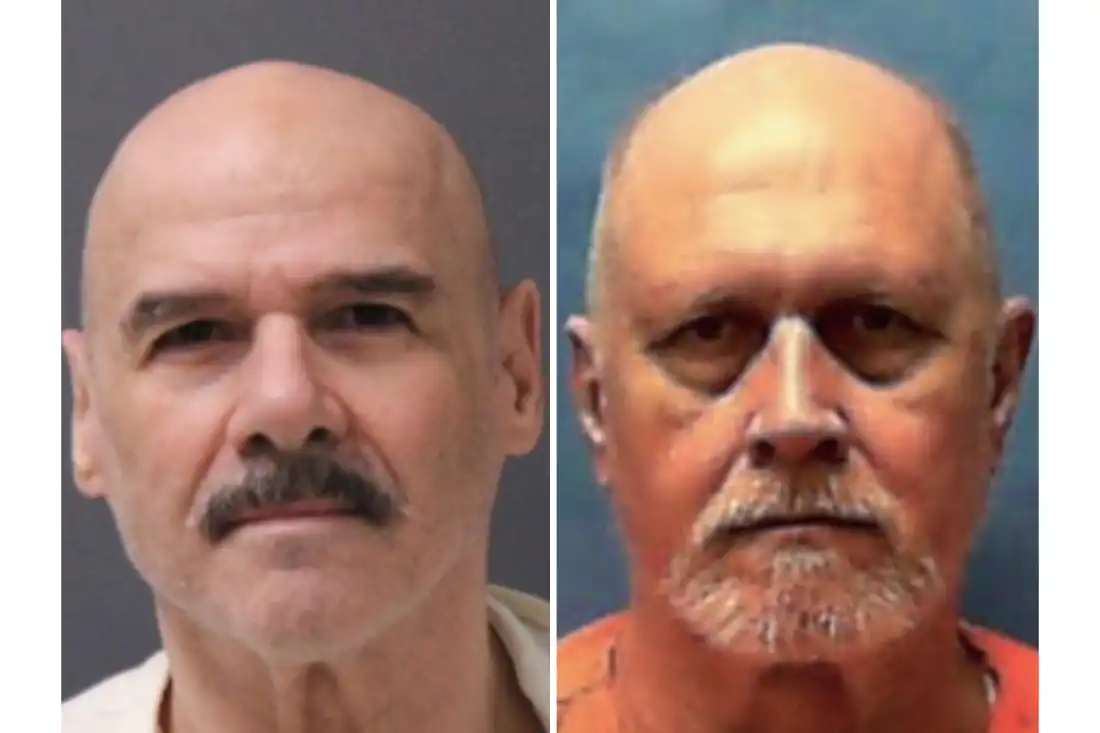
Texas carried out the execution of Reinaldo Dennes at the Huntsville penitentiary on Thursday, but the lethal injection procedure stretched beyond an hour as correctional staff struggled to establish intravenous access. Witnesses reported that Dennes voiced pain repeatedly once the drugs began to flow, while prison officials maintained that all required procedures were followed.
What Happened
According to the Texas Department of Criminal Justice, the execution team made multiple unsuccessful attempts to locate a suitable vein before inserting needles into Dennes' left foot and the left side of his neck. He was strapped to the gurney at 6:04 p.m., and the procedure was completed at 7:07 p.m. A physician examined him one minute later, and he was pronounced dead at 7:08 p.m.
Dennes had been convicted of capital murder in the 1996 shooting death of Janos Szucs, a diamond dealer found in his Houston office. In a brief final statement, he told his loved ones that he had felt blessed over the past 30 years and addressed the warden before the injection began.
Once the lethal dose of pentobarbital started, Dennes reportedly cried out about pain, groaned, and asked repeatedly for relief. He described pain in his right leg as a cramp and questioned whether what he was feeling was normal. After several groans and a series of snoring sounds that grew quieter, his breathing became faint before stopping.
Why This Matters
The case arrives amid renewed national scrutiny of lethal injection protocols. In September, Tennessee's attempted execution of Christa Pike drew criticism after her lawyers said two doses of pentobarbital likely failed to enter her bloodstream properly and instead caused burns and blisters on her arms. The Dennes execution adds to concerns about how states handle difficult IV access and whether inmates experience pain during the process.
On the same day, Florida executed Thomas Mitchell Overton, 71, for the murders of Susan and Michael MacIvor during a home invasion. Florida's 20th execution of the year accounted for more than half of the 39 carried out nationwide so far in 2026 under Governor Ron DeSantis. The back-to-back deaths have also highlighted the aging population on U.S. death rows.
Key Takeaways
- Reinaldo Dennes was executed in Texas after more than an hour of difficulty establishing IV access.
- Needles were ultimately placed in his left foot and the left side of his neck.
- Witnesses reported repeated expressions of pain during the procedure.
- Prison spokesperson Amanda Hernandez said protocols were followed and suggested Dennes may have exaggerated his discomfort.
- Dennes was convicted of the 1996 capital murder of Houston diamond dealer Janos Szucs.
- Florida executed Thomas Mitchell Overton earlier the same day, marking the state's 20th execution of 2026.
Conclusion
The execution of Reinaldo Dennes underscores the ongoing challenges states face when carrying out lethal injections, particularly when venous access is difficult. While officials insist that procedures were carried out correctly, the inmate's reported pain and the spokesperson's suggestion that it may have been exaggerated are likely to fuel further debate over transparency and humanity in capital punishment. As Florida and Texas continue to schedule executions, the aging death row population and repeated problems with injection protocols will remain central to the national conversation.
Discussion
Join the conversation
Thoughtful reactions, questions, and follow-up ideas help shape the next story.