Introduction
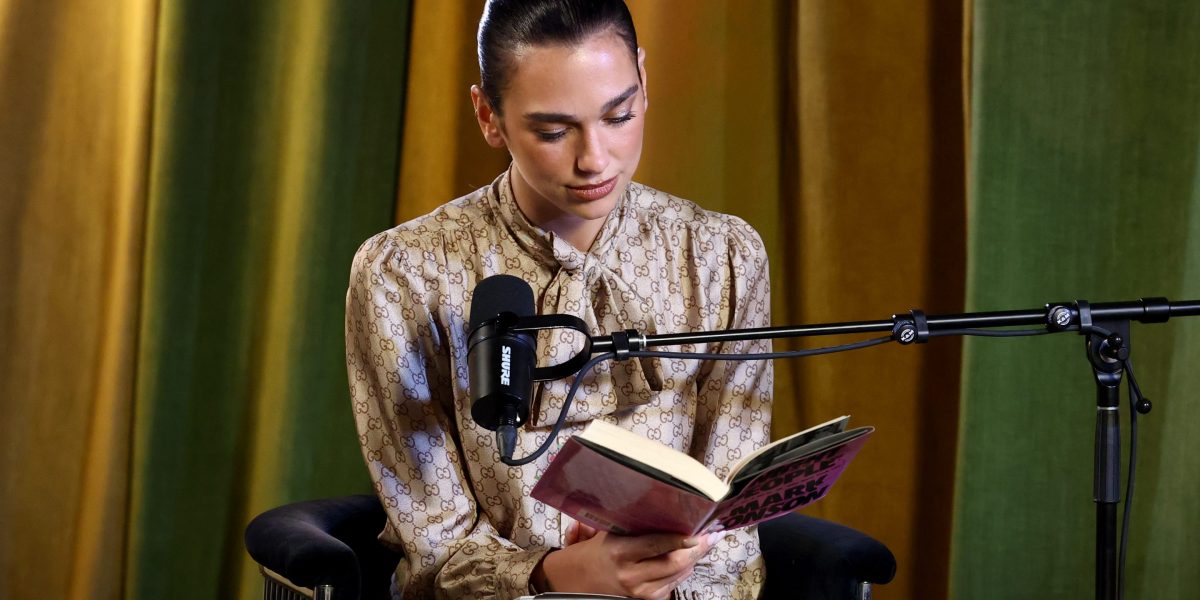
The internet's "cool girl" makes effortlessness look like a full-time job. She knows the hidden restaurant before the line forms, curates a vacation wardrobe worth copying, and reads the book that will dominate conversations months from now. For years, Dua Lipa has embodied that archetype, extending her influence from music into fashion, literature, and lifestyle through platforms like Service95. But as brands pour record sums into creator partnerships, the very economics of cool are coming under pressure.
What Happened
U.S. spending on creator advertising is projected to reach $44 billion this year, more than triple the $13.9 billion recorded in 2021, according to the Interactive Advertising Bureau. At the same time, audience sentiment is shifting. A July survey by youth research firm YPulse found that 62 percent of people aged 13 to 39 are tired of seeing the same dominant names everywhere, while 73 percent say they trust smaller creators more than major influencers.
Dua Lipa's rise illustrates the old playbook. Her friendship with designer Simon Porte Jacquemus attracts fashion followers, while her book club—featuring authors such as Margaret Atwood—reaches readers who may never have streamed Future Nostalgia. Each new community creates another revenue stream beyond albums and touring. Yet the more visible a personality becomes, the harder it is to separate genuine taste from paid placement.
Why This Matters
"You can pay for attention, but you can't buy cultural credibility or this idea of being cool," said Izzy Farmiloe, global head of strategy and growth at Dazed Studio, the agency arm of Dazed Media. The problem, according to Loyola University Chicago marketing professor Jenna Drenten, is that influencers are expected to both sell what is popular and discover what is new. When a niche recommendation goes mainstream—such as a novel boosted by BookTok—it can lose the exclusivity that made it appealing in the first place.
Brands face a similar trap. Farmiloe noted that companies often chase identical trends and hire the same creators, ending up indistinguishable from one another. Artificial intelligence only intensifies the issue by making flawless imagery and polished recommendations easy to generate. In this environment, visible imperfections—even typos—can signal humanity and authenticity.
Key Takeaways
- Creator ad spending in the U.S. is expected to hit $44 billion in 2026, up from $13.9 billion in 2021.
- Most young consumers are fatigued by omnipresent stars and prefer smaller creators.
- Cultural credibility cannot be directly purchased, according to Dazed Studio's Izzy Farmiloe.
- Brand strategist Eugene Healey identifies three emerging archetypes: the obsessive expert, the low-profile "ghost," and the real-life "host."
- Some companies may shift from paying for sponsored posts to funding physical spaces where people gather, such as London's Reference Point library, bookshop, and bar.
Conclusion
The next dominant cultural voice may be much harder to price than the influencers of the past. For brands accustomed to measuring success in followers, likes, and views, the challenge is no longer simply getting noticed. As Farmiloe put it, the real question is how to get people to care, engage, and spend time with a brand. In an age of algorithmic perfection, the coolest move might be showing something human.
Discussion
Join the conversation
Thoughtful reactions, questions, and follow-up ideas help shape the next story.