Introduction
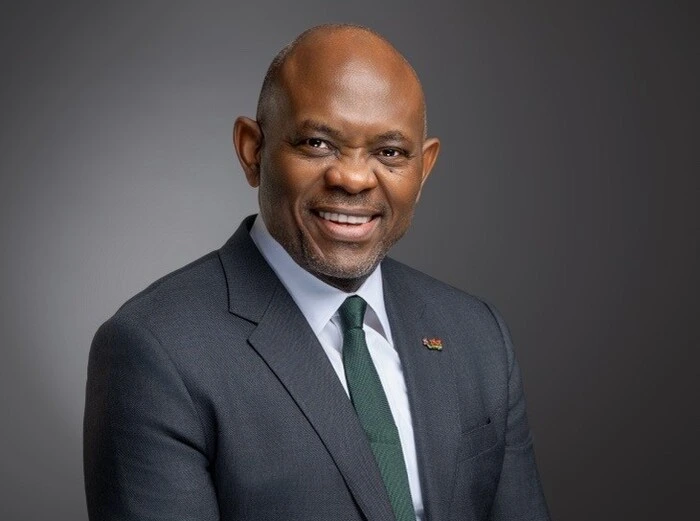
Tony Elumelu, chairman of Heirs Holdings and Transcorp Group, has added his voice to the debate over Nigeria’s economic direction, urging President Bola Tinubu to place electricity at the center of the administration’s reform agenda. Speaking at a recent summit in Abuja, Elumelu argued that progress on fuel subsidy removal, exchange rate unification, and tax legislation should now be matched by clear, dependable rules for the power sector. His core message is straightforward: transparent governance is the foundation for private capital in Nigerian electricity.
What Happened
At the WOC Justice Summit in Abuja on Thursday, November 19, 2026, Elumelu delivered a direct appeal to the president: electricity must remain a top priority. He explained that investors assess both the commercial potential of a market and the reliability of the institutions that uphold agreements. In his view, legal certainty means that terms agreed today should still hold tomorrow, even after elections or leadership changes. He also recognized that everyday Nigerians have absorbed the costs of recent policy changes, while insisting that stable rules would give companies the confidence to invest in power plants and related infrastructure over the long term.
Elumelu connected his request to the government’s earlier economic moves. He described the old system of multiple exchange rates as a source of arbitrage, and he criticized discretionary subsidy payments and negotiated tax collection for weakening uniform rule enforcement. While he praised the president for advancing reforms in the face of opposition, he argued that the next step is to build trust among those considering investments in Nigeria’s electricity industry.
Why This Matters
Nigeria’s electricity sector has struggled with payment arrears, weak investment, and fragmented regulation. In October 2026, Nigerian Bulk Electricity Trading Plc began a N729 billion debt settlement for generation companies and gas suppliers, following two federal bond issuances that raised roughly N1.23 trillion under a power-sector debt reduction programme. Meanwhile, the Electricity Act 2023 has enabled 15 states to assume regulatory oversight of their own electricity markets as of April 2026, with Lagos State alone estimating demand at around 12,000 megawatts and seeking private partners for embedded and off-grid generation.
These developments illustrate why Elumelu’s call for transparency matters. Without clear tariff frameworks and dependable payment mechanisms, private investors may hesitate to fund power plants or distribution networks. His argument is that economic opportunity alone is not enough; the legal and regulatory environment must offer certainty before capital will flow at scale.
Key Takeaways
- Tony Elumelu urged President Bola Tinubu to prioritize the power sector after recent fuel, foreign exchange, and tax reforms.
- The appeal was made at the WOC Justice Summit in Abuja on November 19, 2026.
- Elumelu stressed that transparent, consistently applied rules are essential to attract private investment into electricity generation.
- He emphasized that contracts and regulations should remain enforceable regardless of changes in government.
- Recent sector developments include a N729 billion debt settlement by NBET and expanded state regulatory authority under the Electricity Act 2023.
Conclusion
Elumelu’s intervention places electricity squarely on the post-reform agenda. While the Tinubu administration has already moved on subsidy removal, exchange rate policy, and tax legislation, the businessman argues that the next phase must deliver regulatory clarity for the power sector. For investors, manufacturers, hospitals, and households, the outcome of that push could determine whether Nigeria’s electricity gap narrows or persists.
Discussion
Join the conversation
Thoughtful reactions, questions, and follow-up ideas help shape the next story.