Introduction
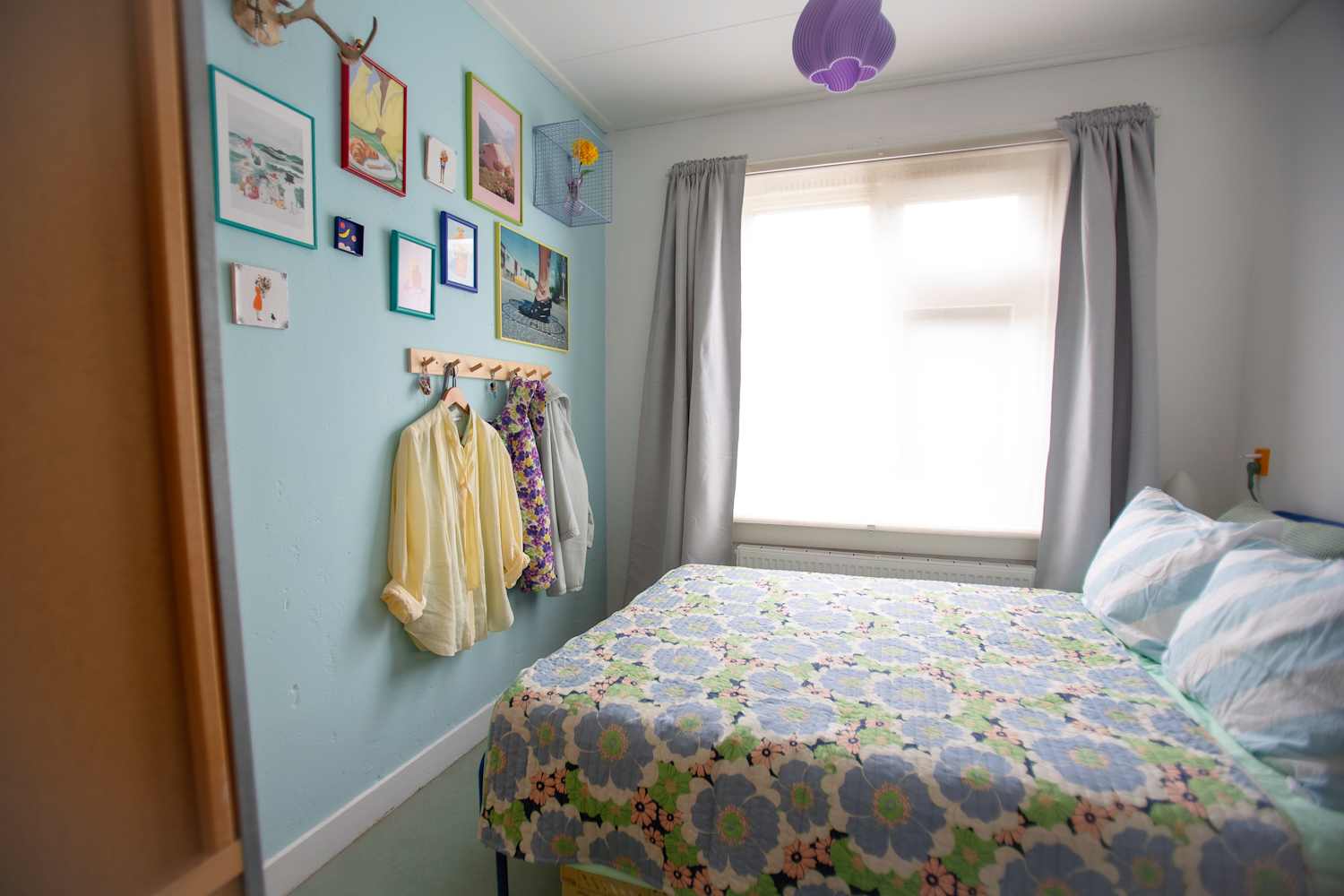
Home layouts are evolving as more people prioritize personal space over traditional hospitality. A recent TaskRabbit trend report highlights how spare rooms are being reimagined far beyond their original purpose.
What Happened
According to the 2026 TaskRabbit Trend Report, which analyzes booking and search trends from 2025 to 2026, dedicated guest rooms are no longer the norm. People are converting spare square footage into personal spaces. Specific transformations include home gyms up 59%, home saunas up 35%, craft rooms up 33%, and podcast studios up 90%. The report also notes a 58% year-over-year increase in people living alone, along with bed frame disassembly up 91%, mattress removal up 105%, and deep-cleaning assistance up 44%. TaskRabbit frames this as a 'post-breakup renovation' trend, but it may also reflect homeowners investing in self-care and aesthetic updates.
Why This Matters
As urban housing costs rise and more people live alone, the traditional guest room is losing priority to spaces that support daily well-being, creativity, and fitness. The TaskRabbit data suggests homeowners are investing in environments that match their current life stage rather than outdated hospitality expectations. Whether driven by necessity or personal preference, this shift reflects a broader rethinking of what home space is for.
Key Takeaways
- Home gym conversions rose 59 percent, reflecting a sustained focus on personal fitness.
- Home sauna requests increased 35 percent, signaling growing interest in wellness-oriented spaces.
- Craft room bookings climbed 33 percent, highlighting a renewed emphasis on creative hobbies.
- Podcast studio setups surged 90 percent, the steepest increase among all categories.
- Living alone is up 58 percent year-over-year, reshaping how rooms are utilized.
- Bed frame disassembly requests rose 91 percent, and mattress removal increased 105 percent.
- Deep-cleaning assistance grew 44 percent, interpreted by TaskRabbit as part of a broader renovation or refresh cycle.
Conclusion
The reconfiguration of spare rooms reflects a fundamental shift in how we value home space. As traditional hospitality habits evolve, more homeowners are choosing to invest in areas that support their personal routines, health, and creativity. Whether driven by cost, lifestyle change, or a desire for self-care, the trend toward personalized room conversions is likely to shape residential design and renovation priorities in the years ahead.





Discussion
Join the conversation
Thoughtful reactions, questions, and follow-up ideas help shape the next story.