Introduction
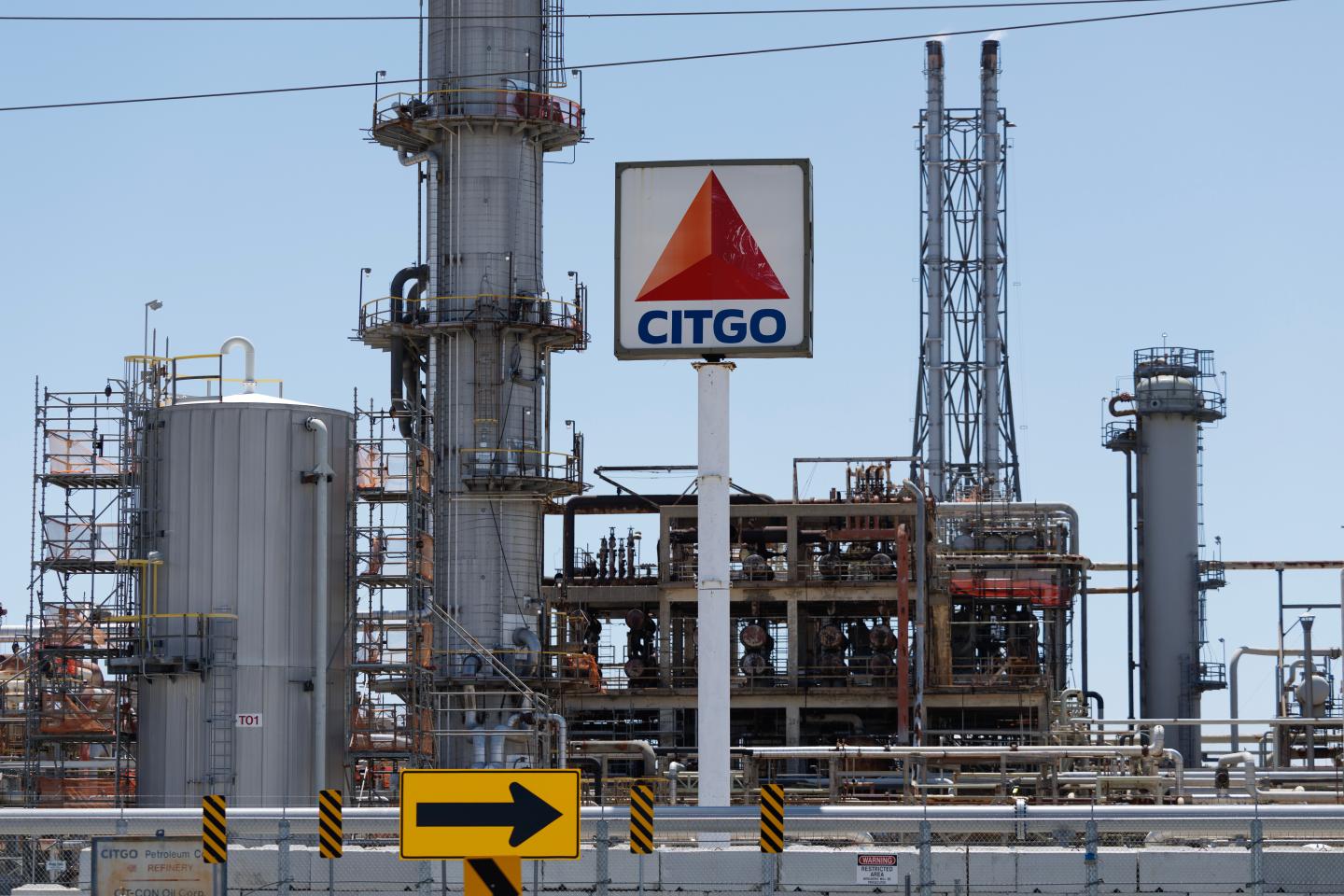
Citgo, the Houston-based refiner with deep ties to Venezuela, has become an unexpected flashpoint in U.S.-Caribbean energy politics. Once a subsidiary of the Venezuelan state oil company, the company now sits at the center of a high-stakes legal and geopolitical battle involving hedge fund Elliott Management, the Treasury Department, and an interim Venezuelan government fighting to keep its most valuable asset out of foreign hands.
What Happened
In November 2025, a Delaware federal judge authorized the sale of Citgo to Elliott Management and its affiliate Amber Energy, clearing the way for a $9 billion transaction aimed at settling Venezuelan creditor claims. The ruling required approval from the Trump administration, and Energy Secretary Chris Wright publicly endorsed the deal, calling it a win-win for U.S. refining capacity and energy stability. However, eight months later, the Treasury Department has delayed the sale six times, extending Citgo's protective status while Venezuelan officials and their legal team challenge the ruling. The conflict stems from a court-ordered auction that would transfer control of Citgo's three U.S. refineries and pipeline network from Venezuelan ownership to a U.S. hedge fund, a move the Maduro-aligned interim government fiercely opposes.
Why This Matters
Beyond the immediate courtroom drama, Citgo's fate touches broader questions about energy security, foreign debt resolution, and the limits of executive power. The refineries in Texas, Louisiana, and Illinois produce roughly five percent of U.S. refined products, making Citgo a quiet but critical player in the national fuel supply—especially as global disruptions from Middle East tensions and Ukraine's war on Russian refineries strain markets. Analysts note that approving the sale could unlock $11 billion in modernization pledges from Elliott's Amber Energy, potentially expanding refining capacity and easing gasoline costs. At the same time, blocking the sale preserves a strategic asset for Venezuela, which argues the $9 billion price undervalues a company now generating excess cash after years of restructuring. The dispute also raises constitutional questions: if the 3rd Circuit Court of Appeals affirms the sale order, the decision rests with the Treasury's Office of Foreign Assets Control, and a denial could trigger lawsuits claiming separation-of-powers conflicts with the unitary executive theory embraced by the current administration.
Key Takeaways
- The Delaware court approved a $9 billion sale of Citgo to Elliott Management and Amber Energy in November 2025.
- The Trump administration has delayed the transaction six times, citing geopolitical concerns and Venezuelan opposition.
- Citgo's three U.S. refineries supply about five percent of domestic refined product, making them significant to regional fuel markets.
- Elliott Management has pledged $11 billion in modernization investments, including a $1 billion Texas refinery expansion.
- Venezuelan officials view Citgo as a crown-jewel asset and argue the sale undervalues the company by billions.
- A 3rd Circuit appeal and Treasury OFAC approval remain the final hurdles before the deal can close.
- The outcome could set precedent for how U.S. presidents wield energy assets in foreign-policy leverage.
Conclusion
The battle over Citgo is no longer just about a court-ordered sale—it's a test of how much influence the White House wants to exert over a strategically vital energy asset while navigating complex Venezuelan politics. Whether the Treasury Department grants final approval or blocks the deal, the decision will shape U.S. refining capacity, Venezuelan debt resolution, and the balance of power between executive and judicial branches. As the administration weighs its next move, one thing is clear: Citgo's future will have ripple effects far beyond the Houston ship channel.



Discussion
Join the conversation
Thoughtful reactions, questions, and follow-up ideas help shape the next story.