Introduction
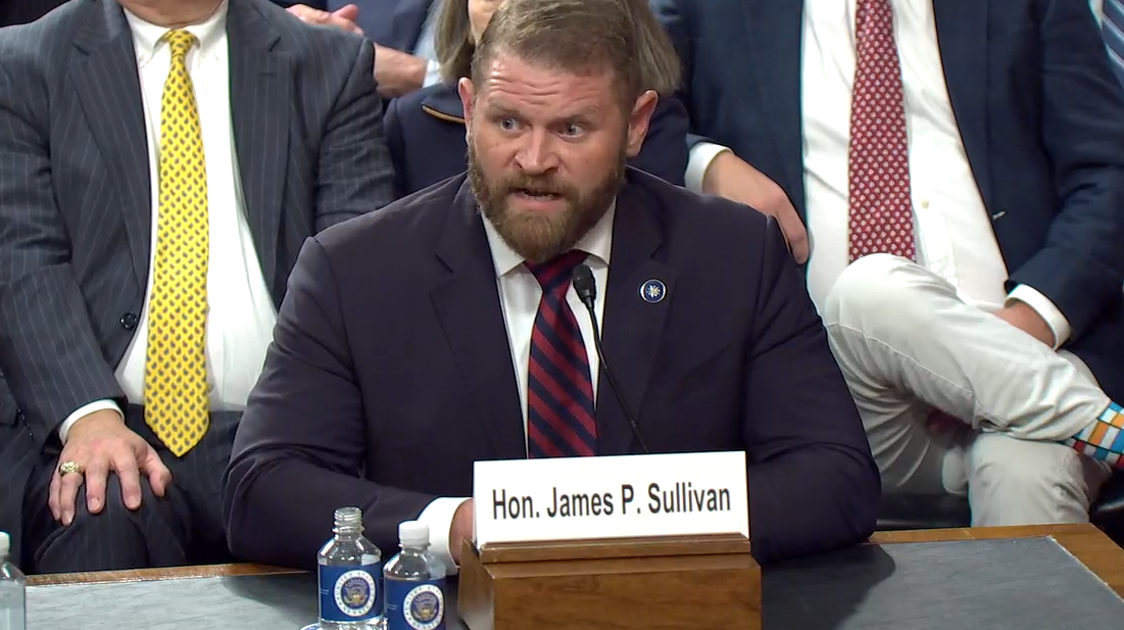
President Donald Trump's nominee for a lifetime federal judgeship faced a difficult Senate confirmation hearing after struggling to answer basic questions about the U.S. Constitution. James P. Sullivan, a Texas Supreme Court justice tapped for the U.S. District Court for the Western District of Texas, stumbled when asked about the 22nd Amendment and hesitated to state whether a president could legally serve more than two terms.
What Happened
During the hearing, Senator Chris Coons of Delaware opened with a straightforward question: what does the 22nd Amendment provide? Sullivan appeared uncertain, asking for a hint before acknowledging that the amendment bars a person from being elected president more than twice. Coons then noted that Trump has already won the 2016 and 2024 elections and asked whether the former president could run again in 2028. Sullivan declined to give a direct answer, citing Canon 5 of the judicial code of conduct and describing the issue as a matter of political debate. He also referenced original public meaning and the era following Franklin D. Roosevelt's presidency.
Coons pushed back, calling the constitutional text unambiguous and suggesting that the only uncertainty comes from Trump's own public comments about a potential 2028 campaign.
Why This Matters
A lifetime appointment to the federal bench requires a firm grasp of the Constitution, especially for nominees who may rule on executive power and electoral issues. The exchange raised concerns about whether Sullivan is prepared to handle cases involving presidential authority and term limits. It also highlighted broader anxiety about efforts to test or expand the two-term tradition established after Franklin D. Roosevelt's presidency.
Key Takeaways
- James P. Sullivan is a Trump nominee for a federal district court judgeship in Texas.
- He struggled to explain the 22nd Amendment without assistance from Senator Chris Coons.
- Sullivan would not say whether a third Trump term would be illegal, citing judicial ethics rules.
- Coons described the amendment as unambiguous and tied the confusion to Trump's remarks about running in 2028.
- The hearing took place before the Senate Judiciary Committee.
Conclusion
The confirmation hearing underscored the importance of constitutional literacy among judicial nominees. While Sullivan eventually acknowledged the two-term limit, his reluctance to apply it to a potential third Trump term left lingering questions about his readiness for the bench. The Senate will now weigh whether his performance disqualifies him from a lifetime seat on the federal judiciary.
Discussion
Join the conversation
Thoughtful reactions, questions, and follow-up ideas help shape the next story.