Introduction
More than four years after a mob breached the U.S. Capitol in an effort to block certification of the 2020 presidential election, the events of January 6 remain a sensitive topic for some of Donald Trump’s political appointees. During a recent Senate Homeland Security and Governmental Affairs Committee hearing, several nominees for high-ranking federal roles appeared unwilling or unable to confirm basic facts about that day and the election that preceded it.
The exchange highlighted a recurring tension: nominees seeking confirmation must balance factual accuracy with the risk of displeasing the president who selected them.
What Happened
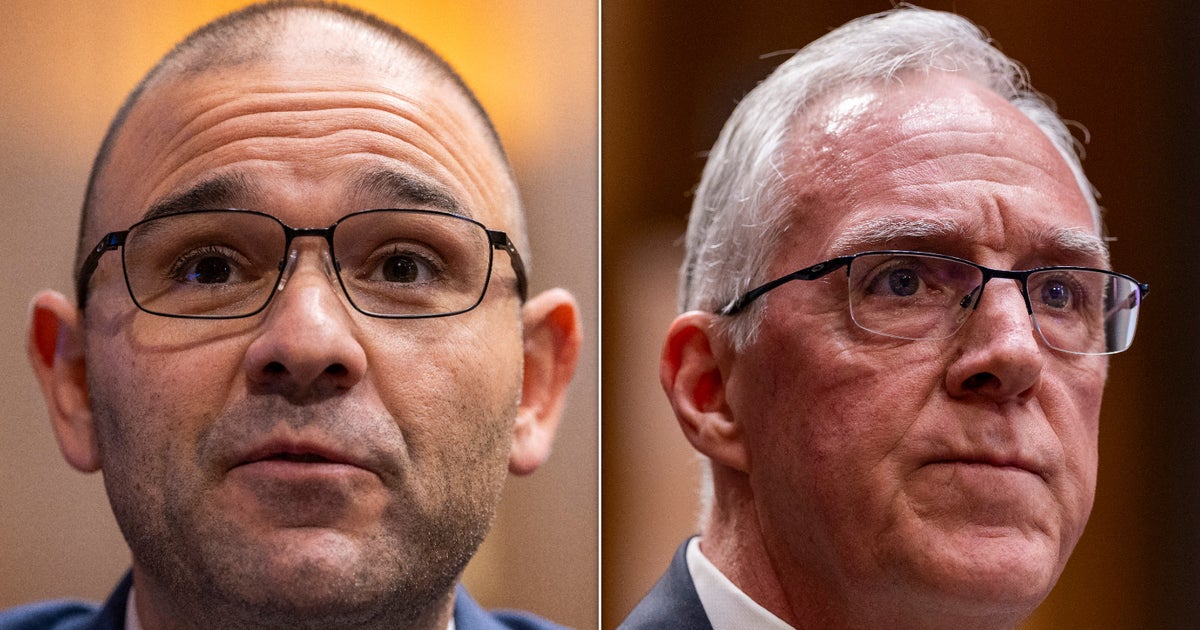
Senator Richard Blumenthal of Connecticut led the questioning. He asked Michael LoSapio, Trump’s nominee to direct the Cybersecurity and Infrastructure Security Agency, whether the Capitol was attacked on January 6, 2021. LoSapio initially said he did not know, then later answered “no” when pressed directly.
LoSapio, who currently serves as chief information security officer at Palantir, also declined to say who won the 2020 presidential election, stating only that he had voted for Trump.
Michael Chamberlain, nominated to lead the Office of Government Ethics, offered a similarly evasive response, saying only that “some people” behaved improperly on January 6. When asked about the 2020 election, he repeatedly said Joe Biden served as president for four years without acknowledging that Biden won the vote.
Dennis Kirk, Trump’s pick for inspector general at the Department of the Interior, repeatedly stated that Biden was president without addressing the election outcome.
Of the seven nominees who appeared before the committee, only Mark Priebe, nominated for inspector general at the Department of Education, directly affirmed that Joe Biden won the popular vote in 2020. Blumenthal confirmed that answer was factually correct.
The hearing also revisited the human cost of January 6. More than 170 law enforcement officers were injured defending the Capitol. One officer later died from a stroke, and four others died by suicide.
Why This Matters
The positions in question carry significant public responsibility. CISA oversees election security, while the Office of Government Ethics is meant to serve as an independent watchdog for federal conduct. Nominees who cannot acknowledge established facts about a recent attack on Congress—or a certified election result—raise questions about their ability to act impartially.
Blumenthal has described the question about January 6 as a loyalty test. Acknowledging that the Capitol was attacked effectively means acknowledging that the former president encouraged an effort to overturn an election he lost. For nominees dependent on Trump’s support, admitting that reality can feel politically dangerous.
Key Takeaways
- Only one of seven nominees clearly stated that Joe Biden won the popular vote in 2020.
- Michael LoSapio, the CISA director nominee, said the Capitol was not attacked on January 6, 2021.
- Michael Chamberlain, the ethics office nominee, avoided confirming Biden’s election victory.
- Nominees appeared hesitant to answer out of concern for angering the president.
- The hearing underscored how basic historical facts have become politically charged in confirmation proceedings.
Conclusion
The Senate hearing revealed more than awkward pauses. It showed that some of Trump’s chosen officials are unwilling to affirm widely documented facts about January 6 and the 2020 election. Whether that reluctance stems from personal conviction or political calculation, it has consequences for how the public views the independence and credibility of the agencies they hope to lead.
Discussion
Join the conversation
Thoughtful reactions, questions, and follow-up ideas help shape the next story.