
Introduction
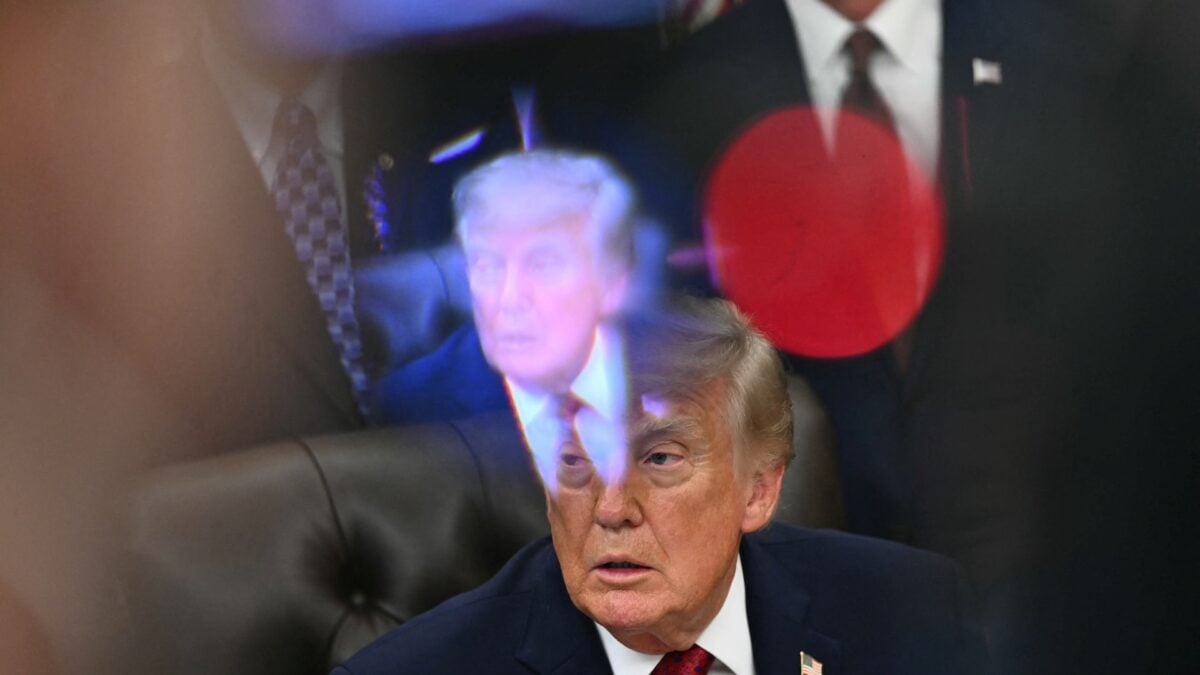
Former President Donald Trump's recent Ireland visit sparked immediate attention when he voiced support for a united Ireland, turning a diplomatic trip into a headline-making event that resonated far beyond the Atlantic. His remarks, delivered during a packed schedule of meetings and speeches, quickly became the dominant narrative, prompting analysis across political spectrums.
What Happened
During a two-day swing through Ireland, Trump repeatedly expressed his desire to see a unified Ireland, first in a free-flowing press conference and later in a speech at the U.S. Ambassador's residence. The comment, which some interpreted as a policy shift, was swiftly walked back by allies who emphasized the U.S. remains committed to the Good Friday Agreement. Trump's characteristic weave-style speaking style meandered through domestic topics from immigration and defense production to criticisms of the UK's stance on Iran while largely maintaining the event's core framework. His meetings with Irish officials, including the Taoiseach, further framed the diplomatic context.
Why This Matters
The significance of Trump's comments intersects with multiple layers: the upcoming 2026 midterm elections, the role of Irish-American voters in key battleground states, and the fragile peace architecture on the island of Ireland. With roughly one in ten Americans claiming Irish heritage, both parties are closely watching how such rhetoric might influence voter calculus. Irish and British officials reiterated their commitment to established peace frameworks, urging caution against any interpretation that could destabilize the Good Friday Agreement. The visit also highlights how U.S. presidential rhetoric continues to shape transatlantic political dynamics, particularly as elections approach.
Key Takeaways
- Trump reiterated support for a united Ireland during his visit, though aides stressed no policy change.
- The remark unfolded amid intense focus on the 2026 midterm elections and the role of Irish-American voters.
- Republican and Democratic allies alike reaffirmed U.S. commitment to the Good Friday Agreement.
- Trump's characteristic speaking style kept the audience engaged, meandering through domestic and international topics.
- Irish and British leaders called for clarity, emphasizing established protocols for any future border poll.
Conclusion
As the political fallout from Trump's Ireland visit settles, the intersection of presidential rhetoric, electoral strategy, and peace process integrity remains under scrutiny. Whether the comment was a fleeting remark or a strategic signal, one thing is clear: the relationship between U.S. leadership and Ireland continues to be a barometer for broader transatlantic dynamics. Stakeholders on both sides will be watching closely as the November elections approach and as the framework for a possible future poll on Irish unity evolves.
Discussion
Join the conversation
Thoughtful reactions, questions, and follow-up ideas help shape the next story.