Introduction
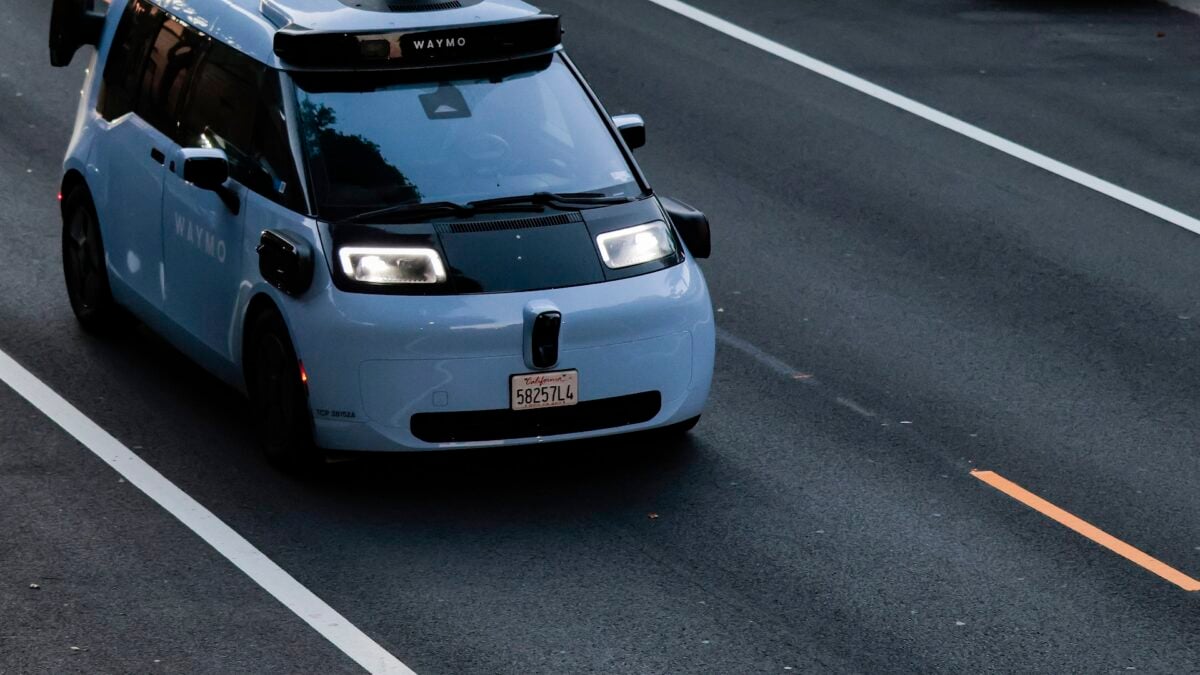
Waymo, Alphabet’s autonomous ride-hailing service, has issued a voluntary recall covering more than 4,400 vehicles. The action follows newly disclosed filings with the National Highway Traffic Safety Administration revealing that 11 of its robotaxis drove into closed freeway lanes over a span of several weeks. California regulators have responded by prohibiting the company from operating on state freeways, citing repeated entries into active construction zones.
What Happened
According to NHTSA documents, the affected fleet includes both fifth-generation and sixth-generation Waymo driver systems. One filing covers eight incidents between October 1 and November 6, 2026, in which vehicles entered freeway sections blocked by traffic cones, highway patrol warnings, or construction activity. Although Waymo implemented software changes on November 6, three additional vehicles entered a construction site just days later. A separate sequence led to the state ban: on November 11, the California Department of Motor Vehicles ordered Waymo to halt freeway operations after three vehicles entered a closed construction zone on U.S. Route 101 south of San Francisco. Another Bay Area incident showed a robotaxi attempting to maneuver around California Highway Patrol vehicles conducting a traffic break. Waymo said none of the 11 events produced a collision or injury.
Why This Matters
The recall and freeway ban highlight the challenges autonomous vehicles face when encountering temporary traffic controls and active roadwork. Unlike permanent lane markings, cones, patrol vehicles, and traffic breaks require real-time interpretation and cautious navigation. For Waymo, which claims roughly six million driverless miles per week across 15 U.S. markets, the restriction removes access to some of its busiest corridors in California and Texas, where about 80 percent of its fleet operates. The situation also raises questions about how quickly self-driving systems can be patched when safety regulators identify recurring hazards.
Key Takeaways
- Waymo recalled over 4,400 vehicles equipped with fifth- and sixth-generation autonomous driving systems.
- Eleven robotaxis entered closed freeway lanes between October and November 2026, with only two incidents previously disclosed.
- California’s DMV banned Waymo from state freeways on November 11, citing imminent hazards to construction workers and road crews.
- Waymo reported no collisions or injuries tied to the incidents and filed two voluntary recalls on November 19.
- The company operates about 500,000 paid rides weekly and serves 15 U.S. markets, with most vehicles concentrated in California and Texas.
Conclusion
Waymo maintains that its technology remains safer than human driving, pointing to reduced crashes caused by impairment, distraction, and error. Still, the path back to California freeways is uncertain. The DMV has said the ban will stay in effect until the company demonstrates effective corrective action. For riders, regulators, and competitors, the episode serves as a reminder that scaling autonomous driving requires not just miles logged, but consistent performance in unpredictable, real-world conditions.
Discussion
Join the conversation
Thoughtful reactions, questions, and follow-up ideas help shape the next story.