Introduction
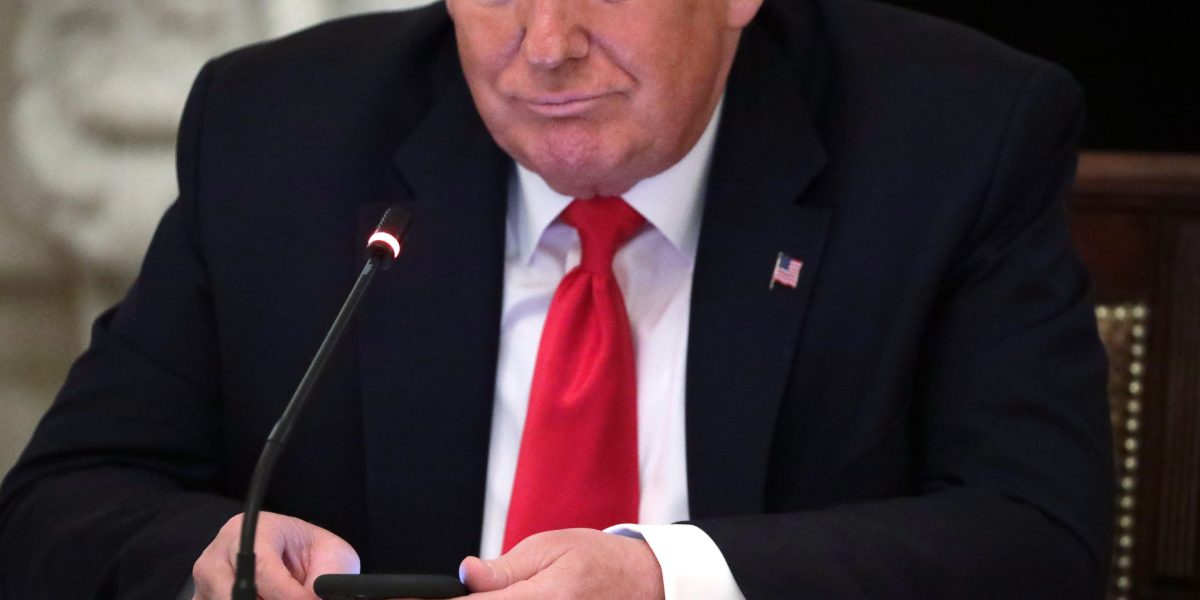
Since taking office, President Donald Trump has completed tens of thousands of securities transactions, far outpacing the combined trading activity of every member of Congress. The scale of the activity has reignited scrutiny over presidential ethics and the adequacy of current disclosure frameworks.
What Happened
A Bloomberg analysis reveals Trump has completed approximately 28,700 trades over 17 months, averaging roughly 80 transactions per market session. His financial disclosures show a portfolio that has shifted from the real estate and privately held businesses of his first term to include municipal and corporate bonds, bond ETFs, and preferred securities now totaling over $337 million. A first-quarter filing recorded roughly 3,600 trades in 90 days, and the annual 2025 disclosure, released in June, documented more than 21,000 trades valued between $600 million and $1.86 billion, averaging about 85 trades per market day. Trump maintains eight separate investment accounts, though he does not identify which financial institutions manage them.
Notable individual trades include purchases of DoorDash stock, energy sector additions during supply disruptions, and the sale of major tech holdings around the time of policy announcements. The portfolio also bought Cal-Maine, the nation’s largest egg producer, during a shortage and later sold the position at a significant multiple.
Why This Matters
Richard Painter, former White House ethics chief under George W. Bush, calls the volume of trading a significant concern and notes that no modern president has actively traded stocks while in office. Since Lyndon Johnson, every president has relied on blind trusts, index funds, or Treasury securities to separate personal finances from official duties. Painter emphasizes that it does not matter who manages the accounts — if the president holds a financial interest, he stands to gain or lose based on official actions.
Federal ethics rules, specifically 18 U.S.C. 208, bar executive branch officials from participating in matters that affect their personal holdings — a standard that applies to all cabinet members and senior staff except the president and vice president. Painter warns that if the president owns oil stocks, for example, a decision to escalate conflict in a oil-producing region could directly enrich him, while the public faces higher gas prices.
The White House maintains that assets are held in a trust overseen by the president’s children and managed by third-party institutions using computer-based model portfolios that replicate recognized indexes. However, the administration has not disclosed which firms manage the accounts, and ethics experts say the structure does not eliminate the appearance of conflict. A statement from the White House asserts there are no conflicts of interest, though it has not answered questions about the trust’s management or the shift from earlier descriptions of a family arrangement.
Key Takeaways
- Trump’s trade volume since taking office far exceeds congressional activity, with nearly 29,000 transactions in under two years.
- The portfolio includes bonds, ETFs, and individual stocks, with significant moves tied to news events such as chip tariffs, Middle East escalation, and egg shortages.
- Ethics experts argue that the current framework creates risks of undue financial benefit from official decisions.
- Existing law restricts trading for most executive branch officials, but the president and vice president remain exempt.
- Whether the administration will adopt blind trusts or greater disclosure remains an open question.
Conclusion
As Trump continues to hold and trade a substantial portfolio, the lack of transparency and the ethical questions surrounding presidential stock activity are likely to persist. Experts suggest that without structural reform — such as a mandatory blind trust or expanded trading bans — the potential for conflicts of interest will remain a significant concern for both policymakers and the public.

Discussion
Join the conversation
Thoughtful reactions, questions, and follow-up ideas help shape the next story.