Introduction
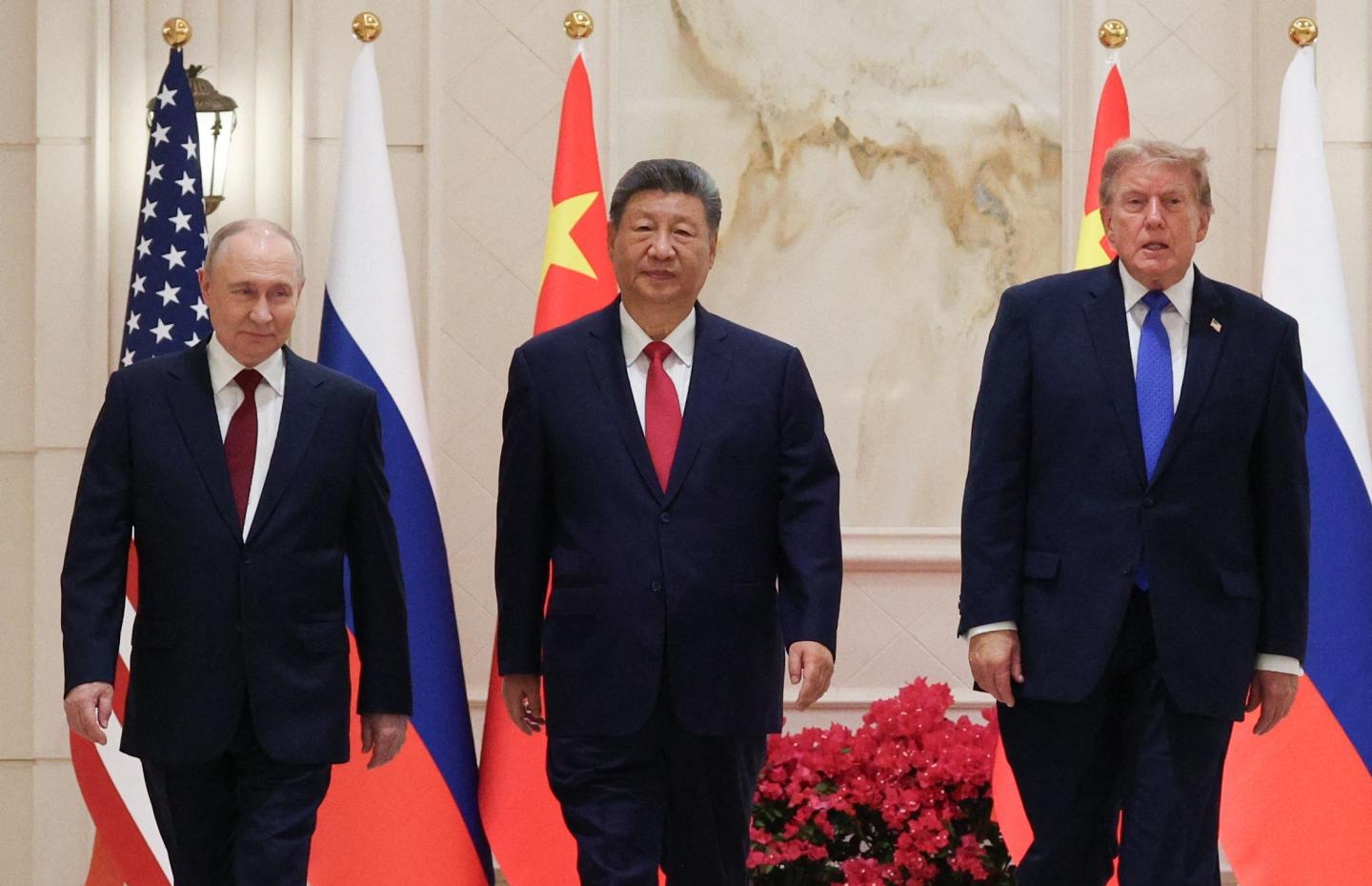
President Donald Trump is set to sit down with Chinese President Xi Jinping and Russian President Vladimir Putin in Shenzhen as the Asia-Pacific Economic Cooperation forum convenes. While the summit itself is drawing headlines, the deeper story is the mounting price of America's trade policies. Tariff rules have shifted more than fifty times in two years, and the economic fallout is now landing on American households, corporate balance sheets, and diplomatic relationships worldwide.
What Happened
Democrats are targeting Trump's tariffs as part of an inflation-reduction push, with an immediate fight over how $166 billion in tariff refunds is being distributed. The Supreme Court recently struck down levies imposed under the International Emergency Economic Powers Act, but tariffs still cost the average U.S. household roughly $1,000 last year, with new duties expected to add at least $900 per household this year.
Retailers including Walmart, Target, Home Depot, and Lowe's have passed some savings to customers, yet several face class-action lawsuits alleging they kept refund money instead of passing it to consumers. Corporate spending is also under scrutiny, with reports that some companies directed refund funds toward executive bonuses and incentive compensation rather than consumer relief.
Abroad, Canadian Prime Minister Mark Carney secured a roughly $400 million export deal with China and eased duties on steel and aluminum, while also advancing trade access with Europe and India. However, U.S.-Canada talks remain tense, even as both nations reaffirm commitment to renewing the USMCA, which governs $2 trillion in annual trade.
In Shenzhen, Xi greeted Trump at the airport—an unprecedented gesture—but the two powers remain locked in strategic competition over rare earths and semiconductors. The situation grew more complicated following the ouster of Nvidia CEO Jensen Huang amid reports of a relationship with an alleged Chinese intelligence operative.
Why This Matters
The trade war is no longer just a headline from Washington. It is showing up in grocery bills, courtrooms, and capital cities. With refunds under legal scrutiny and executives accused of directing funds toward bonuses rather than price cuts, corporate accountability is becoming a central issue. Internationally, allies are hedging their bets, striking deals with China and other partners while the U.S. relationship remains unpredictable.
Key Takeaways
- Tariff policy has changed more than 50 times in the past two years, creating uncertainty for businesses and consumers.
- The average American household paid about $1,000 in tariff-related costs last year, with an estimated $900 more expected this year.
- $166 billion in refunds is being distributed to companies, but many are facing lawsuits over how those funds are spent.
- Canada is deepening trade ties with China, Europe, and India while U.S.-Canada negotiations remain difficult.
- The U.S.-China rivalry extends beyond tariffs into rare earths, advanced chips, and corporate leadership.
Conclusion
As world leaders gather in Shenzhen, the bill for America's trade war is coming due at home and abroad. From household budgets to international alliances, the consequences of shifting tariff policy are impossible to ignore. Whether the summit produces lasting de-escalation or simply another round of uncertainty, businesses and consumers alike will be watching closely.
Discussion
Join the conversation
Thoughtful reactions, questions, and follow-up ideas help shape the next story.