Introduction
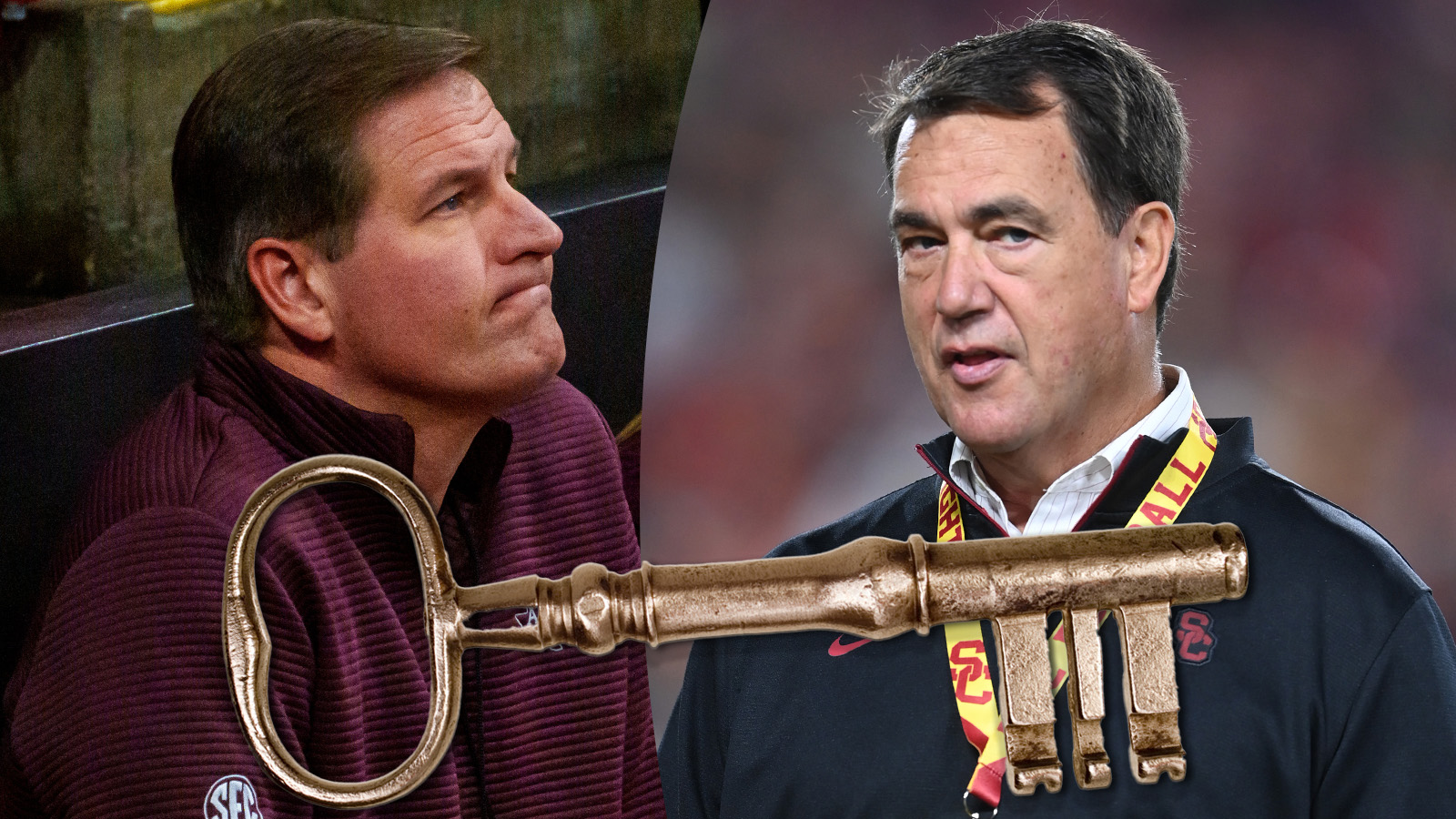
The University of Michigan has backed away from hiring Trev Alberts as its next athletic director, turning what appeared to be a finalized appointment into an abrupt reversal. The decision has placed renewed pressure on TurnkeyZRG, the executive search firm that managed the recruitment, especially given its previous involvement in a similarly troubled hire at Southern California.
What Happened
Warde Manuel announced in July 2026 that he would step down as Michigan's athletic director at the end of the year, concluding nearly 11 years in the position. His departure followed an external investigation into a pattern of controversies stretching back almost a decade, though it eliminated a costly buyout. With the football program under first-year head coach Kyle Whittingham expected to finish no better than 7-5, the university could ill afford another public relations misstep.
Despite those stakes, Michigan moved quickly toward Alberts. He had resigned from Texas A&M and signed a memorandum of understanding to lead the Wolverines' athletic department. The agreement was nearly complete when the university reversed course on a Tuesday morning. Michigan may now owe Alberts a substantial payment even though he will not assume the role.
The reversal followed reporting by former BroBible writer David Covucci, which prompted an emergency board meeting on Sunday. The coverage focused on remarks Alberts made during a deposition, including his answer when asked whether a college coach should be permitted to have a sexual relationship with a student-athlete. Alberts reportedly responded that the answer depended on the situation. Incoming president C. Cybele Raver determined that hiring him was not in the university's best interest. Alberts said he was shocked by the outcome.
Why This Matters
TurnkeyZRG led the search for Michigan's next athletic director. It is the same firm that vetted Mike Bohn for USC's athletic director position in 2019. That connection matters because Bohn's tenure at USC ended in resignation in May 2023, shortly after the Los Angeles Times approached him and the university about misconduct allegations involving female employees and department management.
Years earlier, TurnkeyZRG did not surface serious concerns about Bohn's conduct at Cincinnati, including a Title IX complaint alleging racial harassment and unprofessional comments. University investigators later found evidence of a toxic workplace and determined Bohn's behavior may have violated policy. Two additional employees supported the original complainant's account. Despite those warning signs, the firm recommended Bohn to USC, which hired him in November 2019.
The parallel between the two cases raises a straightforward question: how did a firm entrusted with vetting leaders for major college athletic programs overlook significant red flags on more than one occasion?
Key Takeaways
- Michigan will not hire Trev Alberts as athletic director despite a signed memorandum of understanding.
- The university may owe Alberts a financial settlement after reversing its decision.
- TurnkeyZRG managed both the Michigan search and the 2019 USC search that brought in Mike Bohn.
- Bohn resigned from USC in 2023 amid misconduct allegations, one day after media outreach to him and the university.
- TurnkeyZRG previously failed to uncover documented concerns about Bohn's workplace conduct at Cincinnati.
- The repeated pattern has revived questions about the firm's due diligence and accountability.
Conclusion
Michigan's decision to end its pursuit of Alberts protects the university from immediate controversy, but it does not erase the broader concerns surrounding TurnkeyZRG's vetting methods. With two high-profile athletic director searches now linked to problematic outcomes, universities that pay for executive search services may need to demand more transparency about how candidates are screened. For now, Michigan must restart its search while managing the fallout from a hiring process that unraveled in public.
Discussion
Join the conversation
Thoughtful reactions, questions, and follow-up ideas help shape the next story.