Introduction
The UN World Food Programme is scaling back critical food assistance in Gaza, leaving half a million people without monthly support as funding gaps bite deep. With winter approaching and already dire conditions, the cuts underscore how fragile the humanitarian situation remains.
What Happened
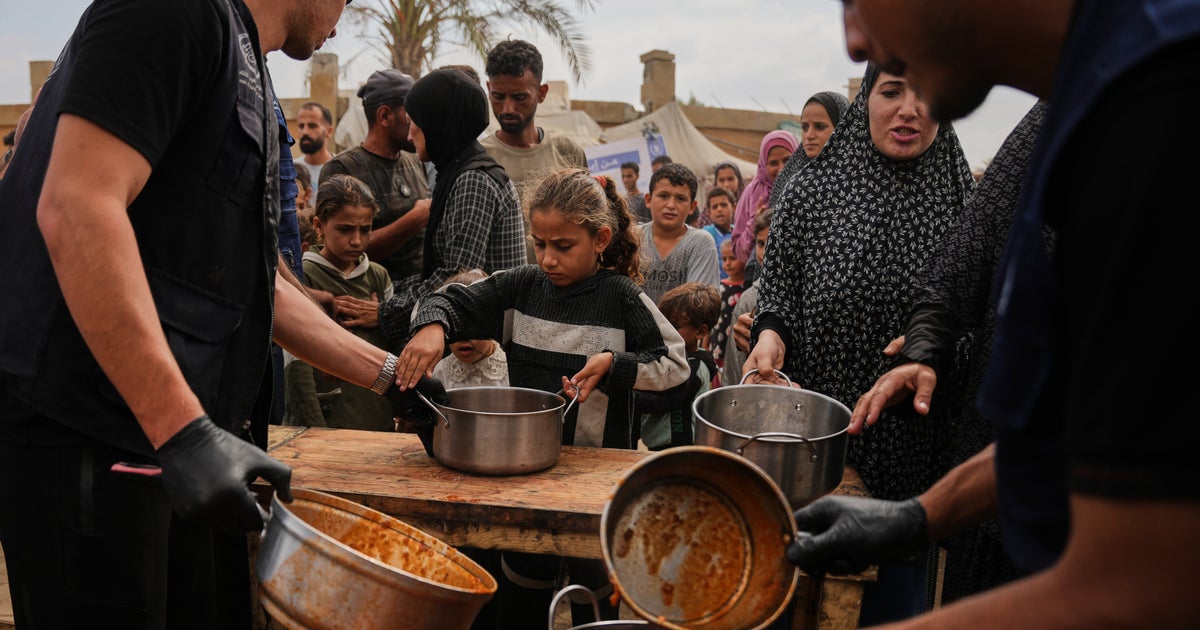
The WFP reduced its monthly assistance recipients from 1.6 million to 1.1 million, halved food rations, cut cash aid for 75,000 families, and dropped daily hot meals from 250,000 to 150,000. Overall, 1.4 million people in Gaza, about two-thirds of the population, now face crisis-level food insecurity, including 200,000 in emergency conditions.
- Recipient count reduced from 1.6 million to 1.1 million
- Food rations halved for remaining beneficiaries
- Cash assistance cut for 75,000 families
- Daily hot meals reduced from 250,000 to 150,000
Why This Matters
These cuts arrive just as Gaza faces its fourth winter, with displaced families living in temporary shelters and minimal services. The agency warns it needs $450 million over the next six months to keep operations alive, warning that without sustained support, famine risks rise and hard-won progress could unravel. Local residents describe the situation as increasingly unbearable.
Key Takeaways
- Over 500,000 Palestinians lost monthly food support due to funding shortfalls
- Rations and meal distributions have been significantly reduced
- The WFP requires $450 million to maintain essential services
- Two-thirds of Gaza's population already faces crisis-level hunger
- Winter conditions amplify the urgency of sustained aid
Conclusion
The UN food agency's latest cuts reveal how quickly humanitarian progress can erode when funding stalls. As temperatures drop and displacement persists, the need for consistent, well-funded aid has never been more critical. Readers and advocates are urged to stay informed and push for sustained international support to prevent further deepening of the crisis.






Discussion
Join the conversation
Thoughtful reactions, questions, and follow-up ideas help shape the next story.