Introduction
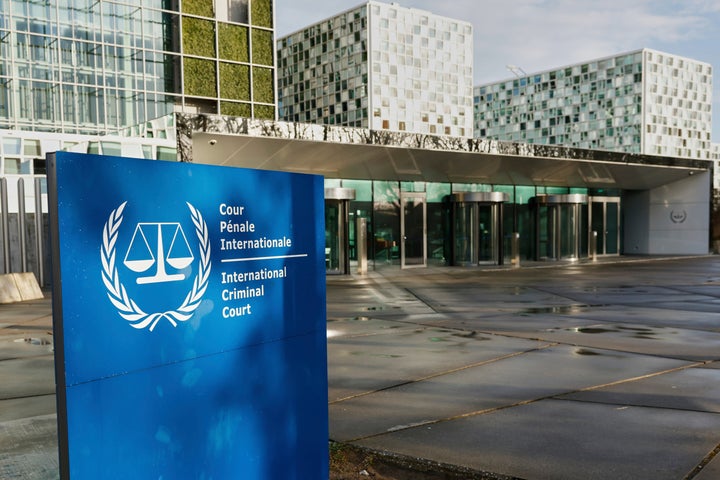
The United States has escalated its long-standing opposition to the International Criminal Court by imposing sweeping sanctions just hours after a former tribunal judge was awarded the Nobel Peace Prize. The move signals a dramatic escalation in Washington's campaign against the Hague-based tribunal.
What Happened
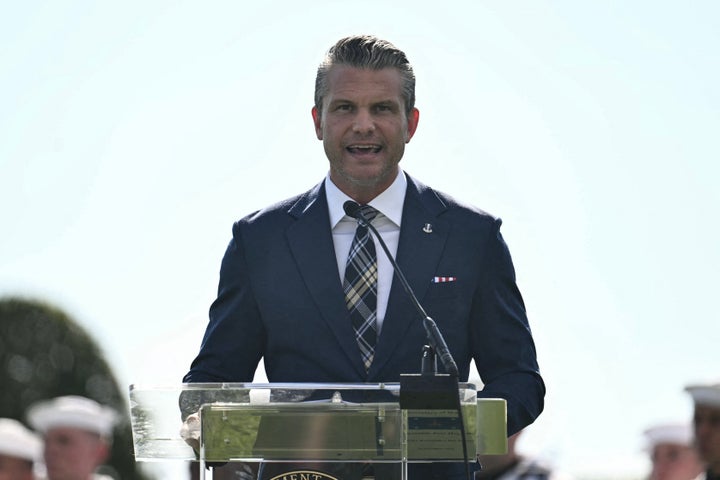
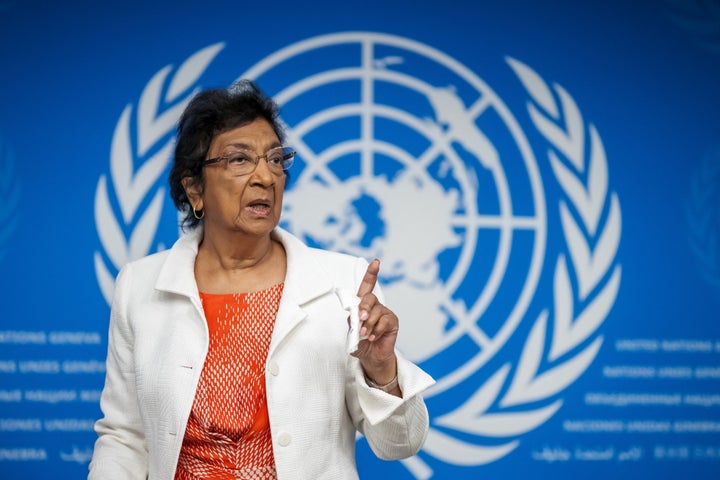
President Donald Trump's administration announced sanctions targeting the ICC, citing concerns over the court's jurisdiction over American personnel and allies. Secretary of State Marco Rubio stated the action is intended to protect U.S. sovereignty, while the ICC's deputy prosecutor condemned the measures as an attempt to undermine international law. The Treasury Department issued limited exemptions for telecommunications software pension payments and detainee related transactions but the broader sanctions could cut off vital services to the court. The timing coming shortly after former judge Navi Pillay received the Nobel Peace Prize underscores the political weight of the decision.
Why This Matters
The sanctions represent a significant shift in U.S.-ICC relations potentially affecting the court's ability to investigate war crimes crimes against humanity and genocide. With 125 member states including major European and NATO allies the move risks widening a transatlantic rift. The ICC has previously faced U.S. opposition over investigations into Israeli actions and past U.S. military operations in Afghanistan both of which have since been closed. By targeting the court's operational capacity the U.S. is testing the resolve of its allies and setting a precedent for how international judicial bodies are pressured under domestic political pressure.
Key Takeaways
- Sanctions were announced hours after former ICC judge Navi Pillay won the Nobel Peace Prize.
- The U.S. aims to restrict the ICC's operations and limit transactions with the tribunal.
- Limited exemptions were granted for essential services like telecom software and detainee care.
- European allies and international partners are likely to push back against the measures.
- The ICC continues its work despite political pressure maintaining ongoing investigations and prosecutions.
Conclusion
The latest U.S. sanctions on the International Criminal Court mark a new chapter in the contentious relationship between Washington and the Hague-based tribunal. As the ICC adapts with internal reforms and ally support the decision highlights the ongoing tension between national sovereignty claims and international accountability. Whether the move will achieve its stated goals or further isolate the United States on the global stage remains to be seen.






Discussion
Join the conversation
Thoughtful reactions, questions, and follow-up ideas help shape the next story.