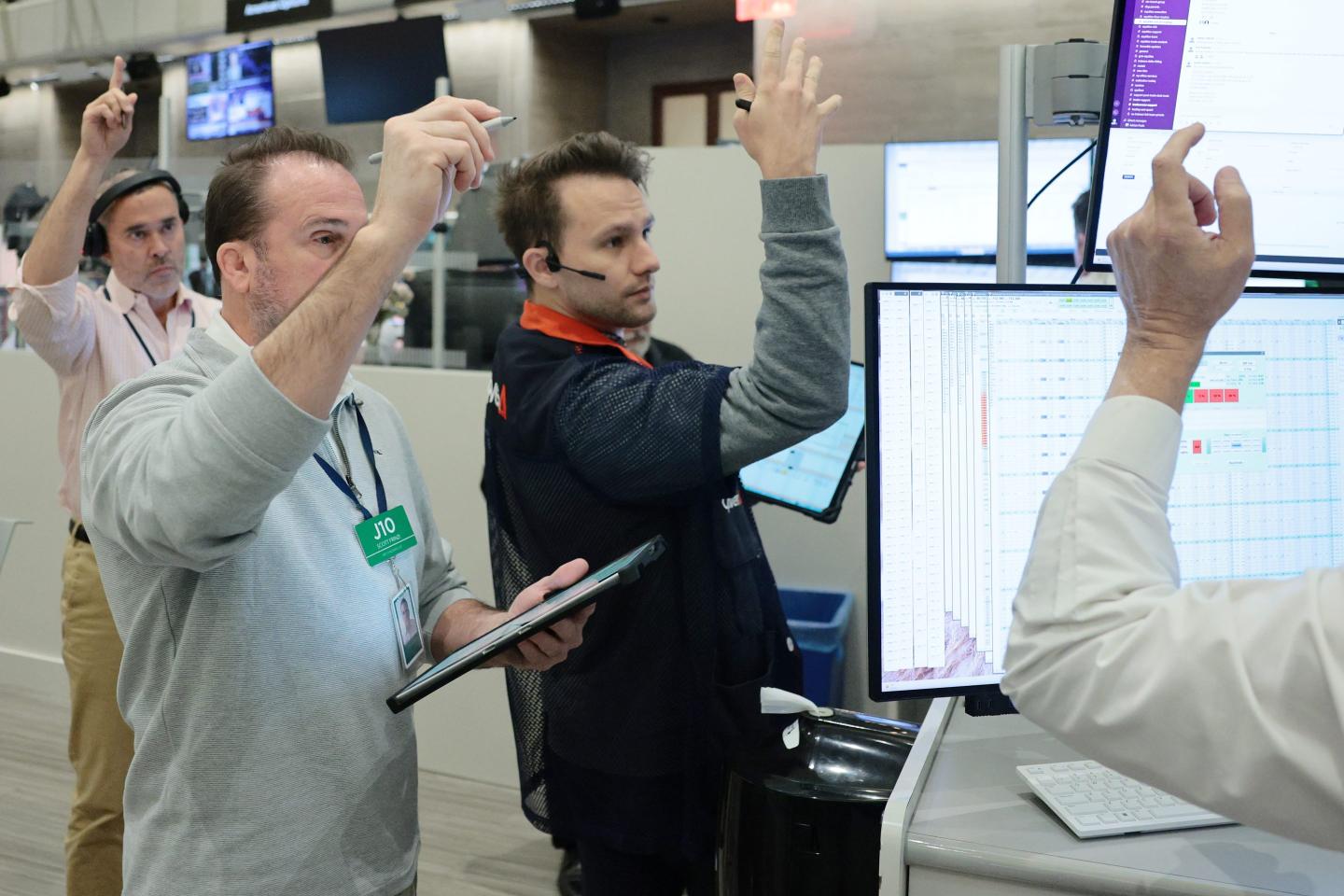
The U.S. equity market closed out 2026 on a shaky note. The Dow Jones Industrial Average and S&P 500 followed the Nasdaq into correction territory after a steep drop in artificial intelligence shares. Even so, strategists are already looking past the turbulence and sketching out a more optimistic path for 2027, citing steady consumer spending and continued investment from large technology firms.
What Happened
A broad selloff this week marked the worst weekly decline since the opening months of the COVID-19 pandemic. AI stocks led the retreat, dragging the Dow and S&P 500 into correction territory alongside the Nasdaq. Some market watchers argued the pullback was healthy, removing excess enthusiasm from equities that had grown vulnerable to overheating.
Viktor Shvets of Macquarie Capital said the current anxiety does not resemble an artificial intelligence bust. Michael Monaghan of Founder ETFs described the action as investors selling before seeking answers. Jamie Cox of Harris Financial Group predicted a return to rational decision-making focused on consumption-driven economic growth.
Why This Matters
The mood on Wall Street is split between caution about near-term risks and confidence in the longer runway. Strategists are debating whether the AI infrastructure boom can sustain corporate profits through 2028, while also weighing the impact of recent elections and Federal Reserve policy. The central bank has grown more hawkish as inflation has remained above its 2% target for more than five years.
Key Takeaways
- Morgan Stanley's Michael Wilson sees the S&P 500 ending 2027 at 8,700, a gain of roughly 26% from current levels.
- Goldman Sachs shares that 8,700 target for next year but warns of greater volatility than in recent cycles.
- UBS Global Wealth Management and Wells Fargo both project 8,200 for 2027, suggesting roughly 19% upside from the most recent close.
- Steve Chiavarone of Federated Hermes is the most optimistic, forecasting 10,000 on the S&P 500, or a 45% jump.
- Chiavarone dismissed concerns that the recent midterm election results would derail the data center buildout, calling a modest slowdown potentially helpful for cash flows and inflation.
- Gaurav Mallik of Modera Wealth Management called the recent drop a routine correction and expects high-single-digit returns in 2027.
Conclusion
While no one can guarantee where the market will land, the consensus among major strategists is that 2026's correction is unlikely to derail a broader bullish trend. With earnings growth still viewed as solid and inflation pressures expected to ease, many investors are positioning for a stronger 2027—even if the road there remains bumpy.
Discussion
Join the conversation
Thoughtful reactions, questions, and follow-up ideas help shape the next story.